
March 20, 2025
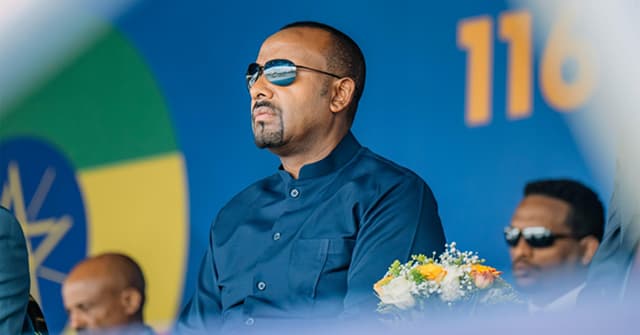
Ethiopia’s Reform Endeavors in Peace and Security Institutions Yielding Meaningful Outcomes
Prime Minister Abiy Ahmed, on the National Police Day 116th Anniversary parade, remarked that the reform efforts undertaken in recent years to strengthen Ethiopia’s peace and security institutions have yielded meaningful results in nation-building. The 116th anniversary of the Ethiopian Police was commemorated at Meskel Square, in Addis Ababa in the presence of PM Abiy and other high level government officials and as well as dignitaries. The anniversary was also graced by the 5th Eastern Africa Police Chiefs Cooperation (EAPCCO) Sports Competition, drawing police athletes from Ethiopia, Kenya, Tanzania, and Djibouti. Speaking on the occasion, the Premier stressed the need for working in cooperation with our brotherly neighboring peoples to ensure the peace and unity of Ethiopia in line with its national interests. What is expected from you is to work in cooperation with our brotherly neighboring peoples to ensure the peace and unity of Ethiopia in line with our national interests. However, if challenges go beyond that, it must always be our duty to protect Ethiopia’s interests and uphold our proud patriotic history, the Prime Minister underscored.
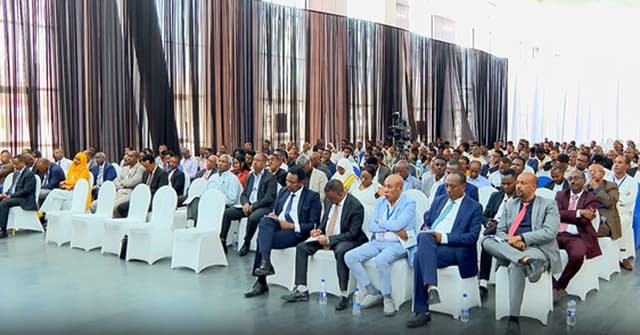
Ethiopia's Full Implementation of Macro-economic Reform Transformative to Industrial Dev't, Say Senior Gov't Officials
The full implementation of the macroeconomic reform has played transformative role in enhancing Ethiopia's industrial development, according to senior government officials. Minister of Planning and Development, Fitsum Assefa, Minister of Finance, Ahmed Shide and Governor of the National Bank of Ethiopia, Mamo Miheritu reflected on the full implementation of the macro economic reform at the panel discussion held yesterday as part of the 2025. The Third Made in Ethiopia Expo, officially inaugurated by Prime Minister Abiy Ahmed at the Addis International Convention Center, served as a platform for high-ranking government officials to underscore the profound and positive impacts of Ethiopia's ongoing macroeconomic reforms on the country's industrial development. Minister Fitsum Assefa emphasized that the Homegrown Economic Reform agenda has significantly enhanced the industrial production and productivity. She noted that the first phase of the homegrown reform has already yielded tangible results, including improved access to loans for the private sector and attendant reforms that have attracted both domestic and foreign investment. Aiming to raise the target of the production capacity to 85 percent by 2030, Fitsum stated that the first phase of the Homegrown Economic Reforms has registered tangible results. Ethiopia’s macroeconomic reform has made robust economy--i.e. competitive by international standard and modern economic system, she said. Ahmed Shide, Minister of Finance, for his part echoed the aforementioned ideas, stating that the reforms have created a stable macroeconomic environment conducive to investment and are positioning Ethiopia as a future manufacturing hub in Africa. He emphasized the liberalization of previously restricted sectors, increased private-sector financing and major infrastructural upgrades in transport, telecom, and energy. According to the finance minister, the role of industrial parks and targeted incentive schemes, such as tax relief and access to regional markets are key drivers for competitiveness and growth in manufacturing. Following the reform, some sectors have been opened up for foreign investors, Ahmed added. Stating that efforts are underway to make the private sector to spearhead the economy, the finance minister added that the role of the government is to enable the private sector operates under sable financing, ensuring that it is effective sustainably. Recalling that small loans had been provided to the private sector before seven years, Ahmed stated that currently, the Commercial Bank of Ethiopia alone provides over 80 percent of loans to the private sector. According to the finance minister, the comprehensive macroeconomic reform would have enormous contributions to create conducive landscape for investment, foster the country's endeavours for regional infrastructure development and make Ethiopia hub of manufacturing industry. Stating in utilizing markets in neighboring countries apart from use of local markets, the finance minister pointed out efforts are being made to enable the Ethiopian manufacturer embark on development of infrastructure in transport and energy infrastructure in neighboring countries. National Bank Governor Mamo Mihret also mentioned the specific impact of foreign exchange reform, which has improved access to foreign currency. These measures, he said, have boosted the profitability of export-oriented industries and allowed Ethiopian manufacturers to compete more effectively in global markets. He reaffirmed the Bank’s commitment to monitoring and supporting the system to ensure sustainable industrial development. All senior government officials emphasized that Ethiopia’s macroeconomic overhaul is not only revitalizing the manufacturing sector but also is laying the groundwork for the country to emerge as a major industrial player in the region. PM Abiy Inaugurates Mesob One-Stop Service Center to Improve Service Administration
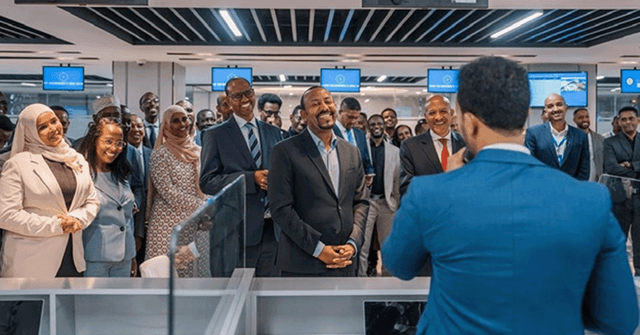
PM Abiy Inaugurates Mesob One-Stop Service Center to Improve Service Administration
Prime Minister Abiy has inaugurated the One-Stop Service Center as part of commitment to addressing the areas that cause frustration for citizens in service administration. “Addressing the areas that cause frustration for our citizens in service administration is a priority for us. Today, we inaugurated the Mesob One-Stop Service Center as part of this commitment,” the premier said on social media post. He said there are three critical elements that define this new center: the transformations of an old, dilapidated building into a modern and aesthetically pleasing environment; the integration of a locally developed software system to streamline services; and the preparation of young professionals to deliver dignified and efficient service with a renewed attitude. The Prime Minister said twelve institutions have begun offering 40 different services under one roof, enabling citizens to save time and access services more efficiently. “Developing systems like this addresses many of the frustrations our citizens face and, over time, will contribute to greater public satisfaction,” Abiy stressed. Today marks a significant step, and Ethiopia will continue to expand on this pilot to ensure better service delivery for all our citizens, he added. Secures Over 2.1 Billion USD from Gold Export in Nine Months

Ethiopia Secures Over 2.1 Billion USD from Gold Export in Nine Months
Ethiopia’s Ministry of Mines has reported that gold export generated over 2.1 billion dollars during the nine months of the 2017 Ethiopian fiscal year. The update came during the nine month's performance review in a high-level discussion held by the ministry leaders and staff, along with representatives from related institutions. According to the ministry, a total of 26 tons of gold were delivered to the National Bank of Ethiopia, contributing significantly to the country's foreign currency reserves. It is also stated that the discussion has emphasized on the progress made across various mining projects, with new developments in gold, coal, and cement production now operational, which are part of broader efforts to boost the sector’s contribution to the national economy. Achievements across multiple sectors were presented during the session, reflecting the positive outcomes of ongoing macroeconomic reforms, according to the ministry. Advisor of the Prime Minister on Youth and Sports Kejala Merdasa, who participated in the discussion, praised the performance of the mining sector, emphasizing that it has shown remarkable progress compared to other industries. He also emphasized the importance of maintaining this momentum to sustain future growth. Ethiopia, Agree to Continue Close Collaboration on Development Partnership
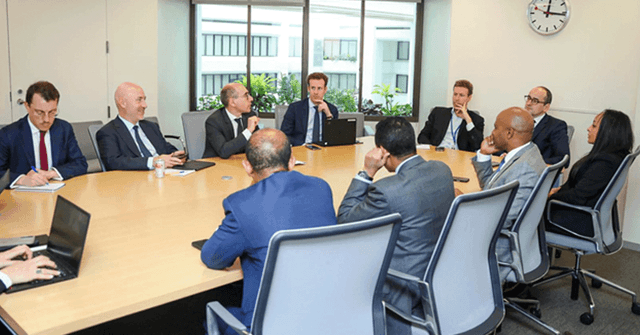
Ethiopia, France Agree to Continue Close Collaboration on Development Partnership
On the sidelines of the 2025 IMF-World Bank Spring Meetings, the Ethiopian delegation led by Finance Minister Ahmed Shide met with the Assistant Secretary of Multilateral Affairs and Development at the French Ministry of Economy and Finance. William Roos and engaged in constructive discussions across a broad range of issues. On the occasion, Minister Ahmed Shide expressed Ethiopia’s gratitude to France for the bilateral partnership and for its support through multilateral development institutions, as well as its leadership together with China, as co-chairs for Ethiopia’s Official Creditors Committee in advancing Ethiopia’s debt treatment negotiations under the Common Framework program. During the exchange, the Minister briefed Roos on the progress of the Government’s reform implementation and Ethiopia’s positive economic outlook, while highlighting the challenging global environment. The Assistant Secretary congratulated Ethiopia for its success in reaching an agreement in principle on the debt treatment parameters as well as for the sound macro management and reform measures undertaken by the Government. The two sides agreed to continue close collaboration on development partnership through bilateral and multilateral cooperation. ’s MD Acknowledges Ethiopia’s amid Global Challenges
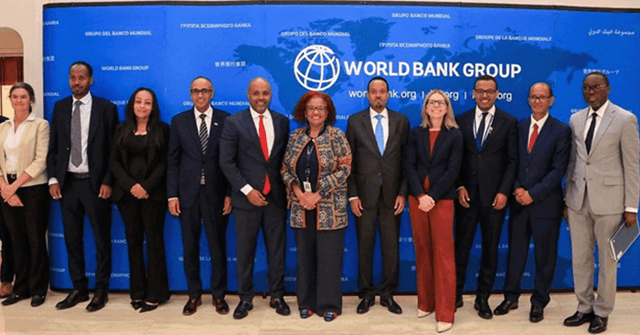
World Bank’s MD Acknowledges Ethiopia’s Economy Resilience amid Global Challenges
Ethiopia’s High-Level Delegation, led by the Finance Minister Ahmed Shide, meets with the World Bank Group’s Managing Director for Operations during the 2025 World Bank-IMF Spring Meetings. The high-level Ethiopian delegation comprising Minister Ahmed Shide, Mamo Mihretu, Governor of the National Bank of Ethiopia, Teklewold Atnafu, Senior Advisor to the Prime Minister, Dr. Eyob Tekalign, State Minister for Finance, and other members engaged in an in-depth discussion with Anna Bjerde, the World Bank’s Managing Director (MD) for Operations, which focused on the substantial progress achieved in the implementation of Ethiopia’s macroeconomic reforms. Additionally, the meeting discussed the World Bank’s assistance package for Ethiopia to support the Government’s development agenda as well as to advance on regional development and integration initiatives, according to the Ministry of Finance. Minister Ahmed expressed appreciation for the World Bank’s technical and financial support toward Ethiopia’s development efforts and ambitious reform agenda, which seeks to unlock the country’s full growth potential through modernization of the economy, boosting productivity, creating new avenues for growth, and enhancing private sector investment to generate jobs and elevate living standards across Ethiopia. On her part, Bjerde commended the Ethiopian government's steadfast commitment to a robust reform program and for achieving critical macroeconomic targets despite the ongoing challenges posed by the global environment. Particularly, she recognized the notable achievements that have been realized thus far, including a substantial decline in inflation, a remarkable increase in exports, particularly in gold, improved revenue mobilization strategies that have improved fiscal resilience, and an overall more favorable business climate. Furthermore, the MD acknowledged the resilience of Ethiopia’s economy amid the challenging global context, owing to the sound macro management and reform measures undertaken by the Government over the last 9 months. Additionally, the MD encouraged the Government to maintain positive momentum on the implementation of the reform program as well as critical development projects at national and regional levels. The meeting concluded with a reaffirmed mutual commitment to ongoing collaboration, emphasizing the importance of sustained support from all partners for effective implementation of the reform plan and sector projects aimed at accelerating Ethiopia's growth trajectory and sustainable development. Opening Up of Previously Closed Sectors Attracting Large Number of Investment to
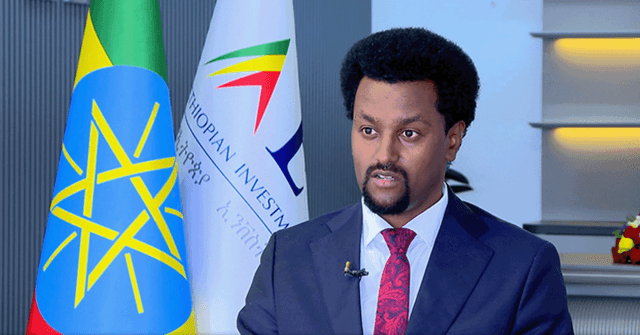
Opening Up of Previously Closed Sectors Attracting Large Number of Investment to Ethiopia
Speaking to Ethiopian News Agency, Ethiopian Investment Commission () Commissioner Zeleke Temesgen highlighted that Ethiopia has been undergoing a substantial reform process over the past seven years, achieving commendable results. The Commissioner stated that during these reform years, sectors previously closed to foreign investors have been opened. He further noted that the economic reform has brought about improvements capable of bolstering investment. Commissioner Zeleke pointed to the measures taken in revising the investment law, emphasizing that these steps have unlocked sectors that were previously off-limits to foreign investors. He mentioned that the Ethiopian Investment Board has permitted foreign companies to engage in wholesale, retail, import, and export trade activities. The government's decision to open investment sectors that had been closed to foreign companies for extended periods, such as and the Special Economic Zone Proclamation, is supporting investment and attracting a large number of foreign investors, he elaborated. The Commissioner indicated that the Investment Commission has demonstrated strong performance over the past nine months, citing the attraction of foreign direct investment (FDI) which has shown a 2.4 percent growth compared to the previous year. In light of the ongoing reforms and considering Ethiopia's inherent potential, Commissioner Zeleke emphasized the need for further progress. He noted that following the opening of wholesale, retail, import, and export trade, investment licenses have been granted to 40 foreign investors, with applications from an additional 36 investors currently under process. He also stated that the Ethiopian Investment Board holds the authority to transition all industrial parks in Ethiopia into special economic zones. Furthermore, the Commissioner mentioned that since the was inaugurated by Prime Minister and commenced operations, the Investment Commission has been actively facilitating the entry of investors into the zone. He added that 11 investors have already entered the free trade zone, with some already importing goods. Ethiopia has become a leading hub for foreign direct investment (FDI) following the establishment of Industrial Parks in 2008 and the implementation of Special Economic Zones. Commissioner Zeleke concluded by stating that the government's reform carried out on previously closed financial, telecommunications, and trade sectors is enabling significant progress to be registered. Pivotal to Attract More Investment in Sector
Five Million Ethiopian Coders Initiative Pivotal to Attract More Investment in Sector
Addis Ababa, May 4, 2025 (POA) -- The 5 million Ethiopian coders training initiative will increase digital skills and attract more domestic and foreign investment in the sector, Ministry of Innovation and Technology remarked. This initiative, launched by Prime Minister Abiy Ahmed on July 23, 2024, is a large scale capacity-building effort targeting the youth of the nation. Its primary objective is to equip Ethiopians with essential coding skills and promote digital literacy, ultimately training five million individuals to strengthen the technology sector and generate more job opportunities and innovation. The program focuses on teaching web programming, Android development, data science, and artificial intelligence, while also providing foundational knowledge in digital technologies. State Minister of Innovation and Technology, Yeshurun Alemayehu, emphasized that this initiative is crucial for attracting investments by enhancing the country's digital capabilities. He also noted that a digitally proficient society is vital for realizing a digital Ethiopia. Government employees who participated in the training reported increased effectiveness in their roles and the ability to create new job opportunities, the state minister highlighted. The project is progressing well under close supervision to accelerate a digitally skilled society, vital for advancing the goal of a “Digital Ethiopia,” it was indicated.
May 4, 2025
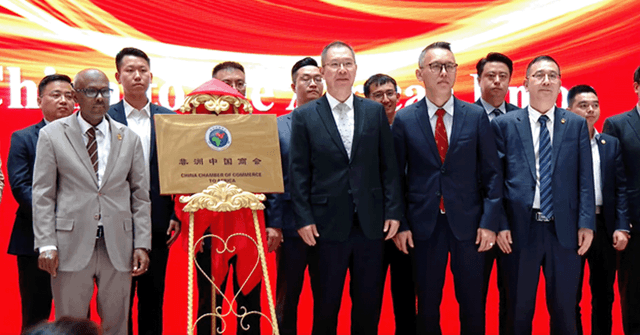
China Inaugurates Chamber of Commerce to Africa
The establishment of China Chamber of Commerce to Africa marked a significant milestone in the economic and trade cooperation between China and Africa, China Head of Mission to the African Union, Ambassador Hu Changchun said. [cite: 1] The Head of Mission made the remarks during the inauguration ceremony held last night in Addis Ababa. [cite: 2] The chamber intends to serve as a platform for bridging Chinese and African markets and facilitating economic cooperation, he added. [cite: 3] “The establishment of China Chamber of Commerce to Africa under the guidance of the Mission of China to African Union is intended to serve as a platform for dialogue and cooperation. The chamber is founded to bridge Chinese and African markets and facilitate economic cooperation,” he elaborated. [cite: 4] The chamber will create better synergies for China-Africa economic cooperation and enable friendship to grow even stronger, he stated. [cite: 5] “The chamber aims to mobilize resources and build an ecosystem for common prosperity. It is committed to promoting development and social responsibility, bringing tangible benefits to the African peoples," the ambassador added. [cite: 6] The chamber, currently, has fifteen members that represent business in major sectors such as agriculture, construction, manufacturing and telecommunication, he indicated. [cite: 7] According to Head of Mission Ambassador Changchun, many of the members of the chamber have been dedicated to the cause of common prosperity of Africa and China over the past decades. [cite: 8] In total, Chinese companies have built around hundred thousand kilometers of roads, ten thousand kilometers of railways,one thousand bridges; [cite: 9] and created over one million jobs all over Africa, he added. [cite: 10]
April 29, 2025
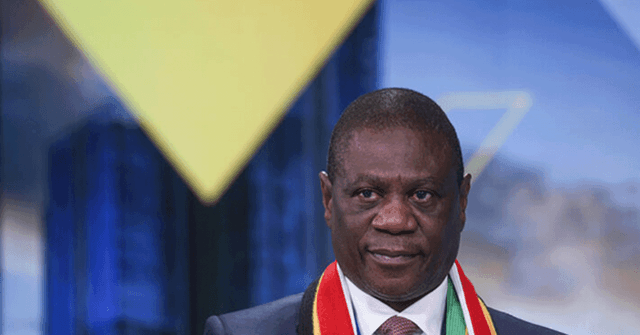
South Africa Calls for Deeper G20-AU Collaboration
South African Deputy President Paul Mashatile called for stronger collaboration between the Group of 20 (G20) and the African Union (AU), highlighting South Africa's efforts to align AU priorities with the G20's key focus areas. [cite: 11] Mashatile delivered the remarks during the opening of the T20 Africa high-level dialogue in Pretoria on Tuesday. [cite: 12] The two-day conference is organized by the South African Institute of International Affairs, the Institute for Global Dialogue, the University of Johannesburg's Institute for Pan-African Thought and Conversation, and the African Union Development Agency. [cite: 13] South Africa assumed the G20 presidency on Dec. 1, 2024, which will run through November 2025. The T20, or Think 20, is an official G20 engagement group that brings together think tanks and research institutions from G20 members, guest countries, and organizations. [cite: 14] "South Africa has worked closely with the AU to ensure its six G20 priorities, ranging from inclusive development and fair finance to climate action and global governance forms, are integrated into our presidency's workstreams," Mashatile said. [cite: 15] "This includes our three G20 high-level task forces on inclusive economic growth, industrialization, employment and reduced inequality." [cite: 16] He also noted joint efforts with the AU to promote artificial intelligence and innovation for sustainable development and food security. [cite: 17] "By investing in agricultural innovation, supply chains, and rural industrialization, we can ensure food sovereignty and economic empowerment," he said, emphasizing that South Africa's G20 presidency is for the benefit of the entire African continent. [cite: 18] "We call for deeper G20-AU collaboration in peace-building on the continent, including sustainable funding for AU peace operations and mechanisms aligned to the Silencing the Guns initiative," said Mashatile. [cite: 19]
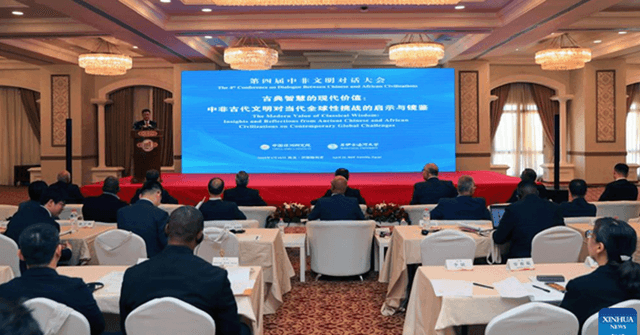
Experts Share Insights on Chinese, African Civilizations
China and Africa have become a model of South-South cooperation while showing to the world that developing countries are fully capable of independently creating a new form of human civilization different from the Western model, Gao Xiang, President of China-Africa Institute at the Chinese Academy of Social Sciences (CASS) underlined. [cite: 20] More than 100 experts, scholars, and diplomatic envoys from China and African countries gathered to share insights and reflections from Ancient Chinese and African civilizations on contemporary global challenges, Xinhua reported. [cite: 21] Hosted by CASS and Suez Canal University of Egypt, the 4th Conference on Dialogue Between Chinese and African Civilizations featured three sub-forums focusing on the mutual learning of governance experience in ancient Chinese and African civilizations, urban and rural governance in the process of modernization, and archaeological cooperation and cultural relics' protection. [cite: 22] The conference was held in Ismailia Governorate, northeast of Egypt, under the theme of "the modern value of classical wisdom -- insights and reflections from ancient Chinese and African civilizations on contemporary global challenges. Gao Xiang, President of CASS, said at the opening ceremony of the conference that the conference is not only an important practice to implement the outcomes of the 2024 Beijing Summit of the Forum on China-Africa Cooperation, but also a vivid illustration of deepening the Global Civilization Initiative, and an intellectual contribution to building a closer all-weather China-Africa community with a shared future in the new era. [cite: 23] China and Africa have become a model of South-South cooperation and building a community with a shared future for mankind, and have shown to the world that developing countries are fully capable of independently creating a new form of human civilization and embarking on a path of modernization different from the Western model, Gao said. [cite: 24] Gao raised three proposals to enhance mutual learning between Chinese and African civilizations: tracing the source of civilization to inspire modern governance with classical wisdom, gathering the power of innovation to promote development through dialogue between civilizations, and shouldering the responsibility of the times to reshape the narrative of civilizations with joint efforts of China and Africa. [cite: 25] Director of the Egyptian Council for Foreign Affairs, Ezzat Saad said that the China-proposed Global Civilization Initiative has added cultural and humanistic dimensions to China-Africa cooperation and promoted deeper mutual trust and cooperation between the two sides. [cite: 26] Through platforms such as the conference, the two sides have strengthened their cultural and social ties and promoted the establishment of a long-term partnership based on common interests and mutual understanding, Saad added. [cite: 27]

Global Credit Rating Agencies Reaffirm Commitment to Develop Fair, Inclusive Credit Rating Ecosystem for Africa
African institutions and global credit rating agencies reaffirmed their commitment to developing a fair, transparent, and inclusive credit rating ecosystem for Africa. [cite: 28] With more than 30 African countries subject to sovereign credit ratings, the decisions of global rating agencies significantly impact debt sustainability and access to international financial markets. [cite: 29] At a high-level dialogue held on the sidelines of the 2025 #IMF–World Bank Spring Meetings, African institutions and global credit rating agencies reaffirmed their commitment to developing a fair, transparent, and inclusive credit rating ecosystem for Africa. [cite: 30] Organized by the African Union’s African Peer Review Mechanism (#APRM), the United Nations Development Programme (#UNDP), the United Nations Economic Commission for Africa (ECA), AfriCatalyst, and the African Center for Economic Transformation (ACET), and hosted at the Open Society Foundations, the dialogue brought together senior representatives from Moody’s, S&P, and Bank of America for a candid discussion on financing solutions for African countries. [cite: 31] Against a backdrop of rising market volatility, sovereign defaults and constrained fiscal space, the dialogue aimed to address urgent reforms in Africa’s credit rating framework. [cite: 32] Speakers identified structural issues such as data gaps, methodological opacity, and under-engagement between African governments and the ‘big three’ credit rating agencies (Moody’s, S&P, and Fitch), as barriers to accurate ratings. [cite: 33] Executive Secretary of #ECA, Claver Gatete acknowledged Africa’s financing paradox—a combined GDP of over 3 trillion USD, yet only two countries rated investment grade—and underscored the urgent need for reform. [cite: 34] “Ultimately, a healthy credit rating ecosystem goes beyond evaluating risk – it becomes a platform for mobilizing capital, improving creditworthiness, and supporting Africa’s broader development goals,” he added. [cite: 35] “We must rethink how creditworthiness is defined and measured,” said Raymond Gilpin, Chief Economist, UNDP Africa, speaking on behalf of Ahunna Eziakonwa, UNDP Regional Director for Africa. [cite: 36] “At UNDP, we believe a development-centric approach is essential to supporting governments in strengthening institutions, improving data systems, and engaging effectively with credit rating agencies to reshape the narrative around Africa's creditworthiness.” [cite: 37] African economies face mounting credit rating challenges, including perceptions of bias, lack of transparency and inconsistencies in rating methodologies. [cite: 38] Roberto Sifon-Arevelo, Managing Director at S&P Global Ratings, Jorge Valez, Senior Vice President at Moody’s Ratings, and Tatonga Rusike, Chief Economist for Africa at Bank of America, outlined opportunities to remedy longstanding risk perception issues and working together with banks and investors to build capacity and a better understanding of rating methodologies to address transparency. [cite: 39] They further emphasized that while sovereign credit ratings are not the sole determinant of investor decisions, they exert significant influence over borrowing costs, market confidence, and access to capital. [cite: 40] In his closing remarks AfriCatalyst’s CEO Daouda Sembene stressed the urgent need for collaboration among African institutions. [cite: 41] As South Africa chairs the #G20 and the African Union assumes permanent membership in 2025, the call for an African-led credit rating solution takes on added urgency. [cite: 42] The outcomes of this dialogue will contribute to ongoing efforts to reform the global financial architecture and ensure Africa’s capital works better for Africa’s development, according to ECA. [cite: 43]
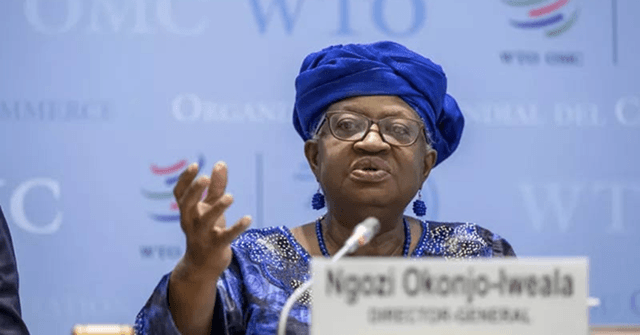
World Trade Organization Says Global Trade Could Slide This Year Due to Tariffs
The World Trade Organization says the volume of trade in goods worldwide is likely to decrease by 0.2% this year due to U.S. President Donald Trump’s shifting tariff policies and a standoff with China, but it would take a more severe hit if Trump carries through on his toughest “reciprocal” tariffs. [cite: 45] The decline in trade will be particularly steep in North America even without the stiffest tariffs, the global trade forum said Wednesday, with exports there this year expected to fall by 12.6% and imports by 9.6%. [cite: 46] Initially, 2025 and 2026 were expected to have continued expansion of world trade, but Trump’s trade war forced WTO economists to substantially downgrade their forecast, the forum said. [cite: 47] Trade in goods worldwide would slump by 1.5% if Trump follows through on his stiffest tariffs on most nations, due to the uncertainty unsettling businesses. [cite: 48] Trump suspended the toughest set of tariffs for 90 days earlier this month so more than 70 countries have a chance to address U.S. trade concerns. [cite: 49] Meanwhile, he is increasing taxes on Chinese imports to 145% and engaging in a lengthy back and forth with Canada and Mexico about tariffs on their goods. [cite: 50] Despite the 90-day pause, “the enduring uncertainty threatens to act as a brake on global growth, with severe negative consequences for the world, the most vulnerable economies in particular,” WTO Director-General Ngozi Okonjo-Iweala said in a statement. [cite: 51] “Our simulations show that trade policy uncertainty has a significant dampening effect on trade flows, reducing exports and weakening economic activity,” WTO chief economist Ralph Ossa said in the statement. [cite: 52] “Moreover, tariffs are a policy lever with wide-ranging and often unintended consequences. In a world of growing trade tensions, a clear-eyed view of those trade-offs is more important than ever." [cite: 53]
April 16, 2025
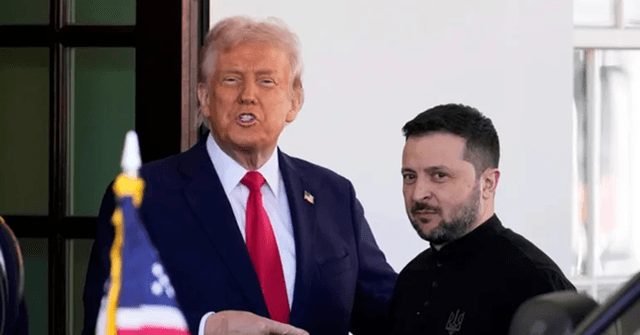
US, Ukraine Sign Long-awaited Minerals Deal after Kiev Agrees to Pay for America's War Support
The U.S. and Ukraine on Wednesday signed off on a deal that will give Washington access to Ukraine's vast critical minerals and natural resources. [cite: 54] The Two countries finalized an agreement weeks in the making to compensate the U.S. for its assistance in Ukraine’s war with Russia. [cite: 55] Moreover, the two sides offered only barebone details about the structure of the deal, which they called the United States-Ukraine Reinvestment Fund. [cite: 56] However, it is expected to give the U.S. access to Ukraine’s valuable rare earth minerals while providing Kyiv a measure of assurance about continued American support in its grinding war with Russia. [cite: 57] The announcement comes at a critical moment in the three-year war as Trump has grown increasingly frustrated with both sides. [cite: 58] The signing comes two months after a different but similar agreement was nearly signed before being derailed in a tense Oval Office meeting involving President Donald Trump, Vice President JD Vance and Ukrainian President Volodymyr Zelenskyy. [cite: 59] Earlier Wednesday, US Treasury Secretary Scott Bessentsaid during a Cabinet meeting at the White House — hours after Ukrainian officials indicated a deal was nearly finalized — that there was still work to do. [cite: 60] “The Ukrainians decided last night to make some last-minute changes," Bessent said when asked about reports that Ukraine was ready to agree to the pact. [cite: 61] "We’re sure that they will reconsider that. And we are ready to sign this afternoon if they are.” [cite: 62] He didn't elaborate as to the late changes he said Ukraine made. [cite: 63] The U.S. has been seeking access to more than 20 raw materials deemed strategically critical to its interests, including some non-minerals such as oil and natural gas. [cite: 64] The negotiations come amid rocky progress in Washington's push to stop the war. [cite: 65]
May 1, 2025
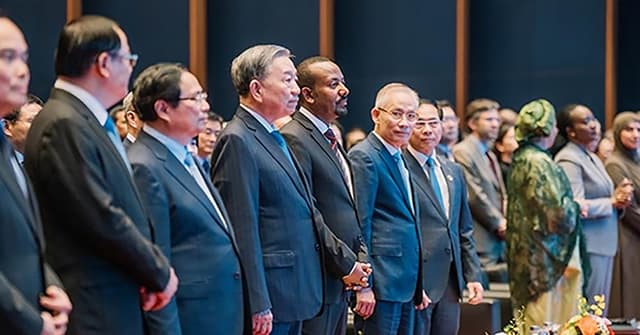
4th Partnership for Green Growth, Global Goals 2030 Summit Opens in Hanoi
The 4th Partnership for Green Growth and the Global Goals 2030 (P4G) Summit with the theme of “Sustainable and People-centered Green Transition” officially opened in Hanoi today. [cite: 66] The two-day summit has brought together over 1,000 representatives from over 40 countries and international organizations, including Ethiopian Prime Minister Abiy Ahmed, Lao Prime Minister Sonexay Siphandone, Cambodian Deputy Prime Minister Neth Savoeun, and Deputy Secretary-General of the United Nations Amina J. Mohammed. [cite: 67] The summit is the first multilateral high-level conference in the field of green growth, green transition, and sustainable development hosted by Vietnam. [cite: 68] Welcoming delegates to the event, Vietnam’s Prime Minister Pham Minh Chinh said that since its inception in Copenhagen in 2018, the P4G Summit has demonstrated the far-reaching impact of a world leading forum for promoting public-private partnerships, connecting governments, businesses and social organizations to jointly come up with breakthrough solutions for green growth, contributing to the implementation of the United Nations Sustainable Development Goals to 2030. He stated that as the world is facing unprecedented challenges such as natural disasters, climate change, pandemics, environmental pollution, resource depletion, and an aging population, green transition and sustainable development are inevitable trends, top priorities, [cite: 69] and strategic choices for nations and people globally. The 4th P4G Summit reflects a shared desire for a bright, green, clean, and beautiful world, the PM said, emphasizing that the human factor is the center, the subject, the goal, the driving force, and the resources for the greening process and sustainable development in the world. [cite: 70]
April 16, 2025
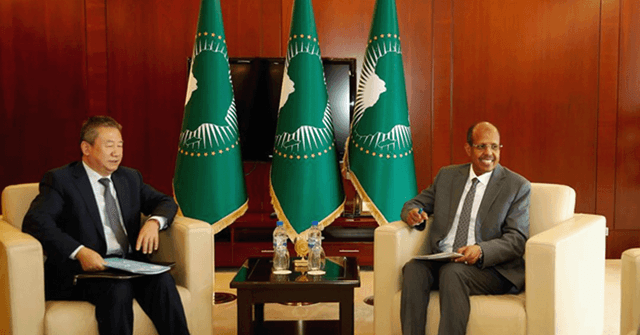
AU, UN Reaffirm Commitment to Robust Partnership in Support of Regional Peace
The Chairperson of the African Union Commission (AUC), Mahmoud Ali Youssouf met with the UN Special Envoy for the Great Lakes Region, Huang Xia. [cite: 71] The two sides exchanged views on mediation efforts in Eastern DRC and the broader region. [cite: 72] On the occasion, they underscored the importance of ensuring regional and international peacemaking initiatives are coordinated and coherent. [cite: 73] The officials also reaffirmed their shared commitment to a robust AU-UN partnership in support of the region’s pursuit of peace, stability, and development, according to AU’s social media post. [cite: 74]
April 29, 2025
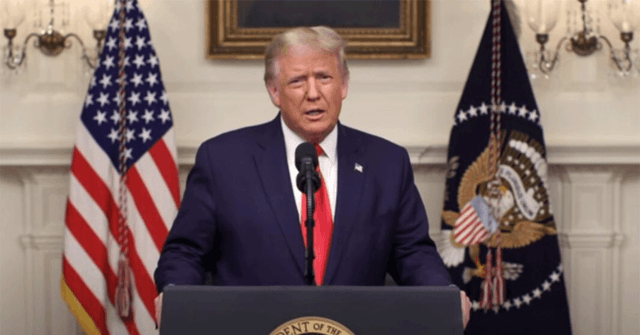
President Trump Plans to Shut down U.S. Embassies in Africa— Report
Donald Trump administration is considering a significant reduction in the United States' diplomatic presence worldwide, with a proposal to close nearly 30 embassies and consulates. [cite: 75] Over half of the embassies are located in Africa, a report discloses. [cite: 76] This initiative is part of a broader plan to cut the State Department's budget by nearly 50%, aiming to reduce foreign aid by approximately 75%. [cite: 77] According to an internal State Department document, the proposed closures include embassies in Lesotho, Eritrea, the Central African Republic, the Republic of Congo, The Gambia, and South Sudan. [cite: 78] Additionally, consulates in Durban, South Africa, and Douala, Cameroon, are slated for closure, with their responsibilities potentially being transferred to neighboring countries. [cite: 79] Critics of the proposal express concern that reducing the U.S. diplomatic footprint in Africa could diminish American influence on the continent, especially as other global powers, such as China, continue to expand their presence. [cite: 80] They argue that such closures could hinder diplomatic relations, economic partnerships, and the promotion of democratic values. [cite: 81] The administration's plan also includes the potential closure of embassies in European countries like Malta and Luxembourg, as well as consulates in various cities across Europe and Asia. [cite: 82] These proposed changes are part of a larger effort to streamline government operations and reduce federal spending. [cite: 83] However, the plan is raising alarms among diplomats and foreign policy experts who warn that scaling back America’s diplomatic presence could weaken national security and cede geopolitical ground to rivals such as China. [cite: 84] Data from the Lowy Institute indicates that the U.S. currently has more diplomatic missions in Europe than China — a lead that could vanish if the proposed closures go ahead. [cite: 85] In Africa and East Asia, Chinese missions already outnumber their American counterparts. [cite: 86] Particularly sensitive are the proposed reductions in conflict-prone regions. The memo recommends either downsizing or eliminating the U.S. presence in Somalia, and reducing staffing in Baghdad and Erbil, Iraq — both areas central to counterterrorism operations. [cite: 87]
April 19, 2025
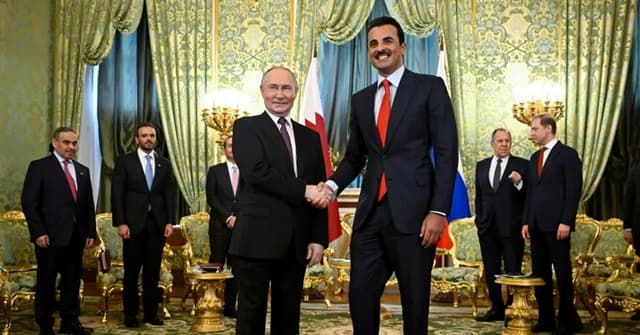
Russia’s Putin, Qatari Emir Discuss Syria and Gaza in Moscow Talks
Qatar’s Emir Sheikh Tamim bin Hamad Al-Thani met with Russian President Vladimir Putin on Thursday to discuss key regional issues, including Syria and Gaza. [cite: 88] Sheikh Tamim assured Putin that Syria’s new leader, Ahmed al-Sharaa, who replaced Bashar al-Assad after his removal in December, is eager to strengthen ties with Russia. [cite: 89] The Emir emphasized Syria’s historical relationship with Russia, noting al-Sharaa’s desire to build a partnership based on mutual respect. [cite: 90] In response, Putin stressed the importance of Syria remaining sovereign and intact amid ongoing sectarian violence. [cite: 91] “We want to ensure that Syria stays a sovereign, independent, and territorially integral state,” Putin said, adding that humanitarian assistance for the Syrian people would be a priority in future discussions. [cite: 92] The two leaders also addressed the ongoing conflict in Gaza, where Qatar has played a key mediation role. [cite: 93] Despite a January ceasefire agreement between Israel and Hamas brokered by Qatar, Israel resumed its offensive in Gaza in March, and efforts to revive the ceasefire have stalled. [cite: 94] Sheikh Tamim highlighted Qatar’s continued mediation efforts and its commitment to ending the suffering of the Palestinian people, while Putin expressed concern over the failure of previous peace initiatives. [cite: 95] “We know that Qatar is making serious efforts to resolve the Israeli-Palestinian conflict. Unfortunately, the initiatives put forward, including by you, have not been implemented,” Putin remarked. [cite: 96] Both sides also agreed to continue discussions on efforts to end the war in Ukraine. [cite: 97] Qatar has made attempts to mediate between Russia and Ukraine, including facilitating the return of separated children from both countries, it was learned. [cite: 98] Putin acknowledged the difficulties in reaching a settlement, noting that while U.S. President Donald Trump seeks an end to the conflict, progress remains elusive. [cite: 99]
April 17, 2025
African Experts, Officials Convene to Explore Ways to Integrate Migrants into National ID Systems
Delegates from ten African countries, regional institutions, and UN agencies are meeting in Harare to explore ways to integrate migrants, displaced persons, and border communities into national ID systems. The five-day workshop, organized by #ECA in collaboration with the African Union Commission (#AUC), the International Organization for Migration (#IOM), and #IGAD, introduces a new Good Legal Identity Toolkit to help countries strengthen inclusion and accountability. Hundreds of millions of people in Africa lack legal documentation, leaving migrants particularly vulnerable. Without proof of identity, they face exclusion from education, healthcare, employment, and justice systems, rendering them invisible to the state and at risk of exploitation, according to the Economic Commission for Africa (ECA). Christian Oldiges, Chief of the ECA’s Social Policy Section, opened the workshop by emphasizing that legal identification is not just a technical issue but a foundation for inclusive development and data systems. “Legal ID is perhaps the one SDG target (16.9) linked to nearly all others, forming the basis for our statistics,” said Oldiges. “Many African countries now recognize the lack of legal ID not only as a governance gap but as a form of poverty.” He highlighted national efforts to integrate legal identity into poverty assessments. For example, Botswana includes “social inclusion” as a key poverty dimension, considering households deprived if no member has a birth certificate or national ID. Angola and Malawi have adopted similar indicators. The East and Horn of Africa underscore the pressing need for action. Between 2010 and 2019, the number of international migrants in the region more than doubled. Today, it hosts nearly five million refugees and over 85,000 stateless persons, primarily in Uganda, Kenya, and South Sudan. “Legal identity is a fundamental human right and a gateway to essential services,” Oldiges stressed. Gideon Rutaremwa, speaking on behalf of William Muhwava, Chief of ECA’s Demographic and Social Statistics Section, reinforced this view: “Legal identity allows individuals to prove their existence, identity, and family ties. To unlock Africa’s potential; we must adopt a life-cycle approach—from birth to death.” He warned that the lack of documentation perpetuates poverty, inequality, and exclusion, especially for displaced populations often left outside formal systems. The AUC, a co-organizer, stressed the need for cross-border collaboration. Peter Mudungwe, AUC Migration Governance Expert, urged alignment between national civil registration efforts and continental frameworks safeguarding migrants’ and stateless persons’ rights. Diana Cartier, IOM Chief of Mission in Zimbabwe, added: “Legal identity is foundational. Without it, migrants face systemic exclusion. For women, children, and stateless persons, this can mean a lifetime of invisibility.” The workshop explores ways to integrate migrants, displaced persons, and border communities into national ID systems while protecting their rights and data. Participants are reviewing the Good Legal Identity Toolkit and sharing policy experiences from Kenya, Zimbabwe, Somalia, Rwanda, Uganda, South Sudan and others. Discussions aim to yield concrete recommendations and national commitments for more inclusive ID systems. The toolkit guides interoperability, privacy, legal frameworks, and documenting hard-to-reach populations. With less than five years to achieve SDG target 16.9 (legal identity for all), organizers stress that solutions must go beyond technical upgrades to address the legal and policy barriers excluding migrants.
Africa’s Dev’t Should not be Held Hostage by Narrow Perceptions of Risk: ECA Official
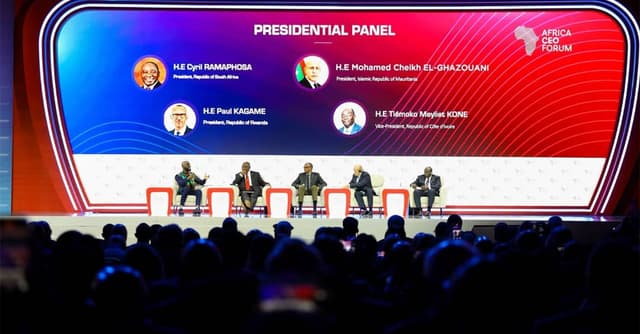
African countries face persistent challenges in accessing affordable capital to finance their development priorities mainly due to the unfavorable credit ratings that often do not reflect the true macroeconomic fundamentals in the continent, Director, Macroeconomics, Finance and Governance Division, #ECA Zuzana Brixiova Schwidrowski remarked. The Director made the remark at the opening of Africa Credit Rating Conference 2025 which is underway in Cape Town, South Africa under the theme “Unlocking Domestic Financing through Improving Credit Ratings.” In her speech, the director indicated that “Today, only two African countries hold investment-grade ratings. This statistic alone underscores the severity of the sovereign debt and financing challenges we face. But it also points to an opportunity to make an urgent call for collective action to rewrite the narrative.” There is a widespread and growing concern among policymakers, economists, and development partners that the methodologies employed by major global credit rating agencies may not adequately consider Africa’s unique development contexts, the director said. These include issues of data quality, structural biases, limited country coverage, and lagged assessments, which in turn lead to elevated risk premiums, discourage long-term investments, and shrink the fiscal space for critical public investment. “As such, improving sovereign and sub-sovereign credit ratings is not just about better access to capital markets; it is about building confidence, promoting fiscal responsibility, and unlocking the vast potential of domestic resource mobilization, which remains underleveraged across the continent.” In response to these challenges, a growing coalition of institutions and stakeholders including regional bodies, central banks, finance ministries, and think tanks are working to promote reform on multiple fronts, she noted. This includes strengthening domestic economic fundamentals through prudent fiscal management, enhanced debt transparency, and strategic revenue mobilization, including widening the tax base and reducing illicit financial flows. She further stressed the need to develop domestic credit rating capabilities that are regionally embedded and contextually attuned to African economies in order to challenge existing narratives, bringing balance and equity to sovereign credit assessments. She mentioned the efforts being carried at the Economic Commission for Africa (ECA), “At ECA, we view credit ratings not just as a technical assessment of repayment risk, but as a development enabler.” Boosting sovereign credit ratings is not merely a technical objective, she said, stating that it is a strategic lever for enhancing Africa’s overall creditworthiness and investment appeal. “Stronger ratings serve as a signal of economic stability, sound governance, and fiscal responsibility, which are precisely the qualities sought by both international and domestic private investors.” “Africa’s development should not be held hostage by narrow perceptions of risk. Our continent has demonstrated resilience, innovation, and reform ambition. The world needs a credit rating system that recognizes this progress and supports our member states in financing the African Union’s Agenda 2063 and the Sustainable Development Goals,” the director underscored.
#AU, #EU Reaffirm Their Strategic Partnership
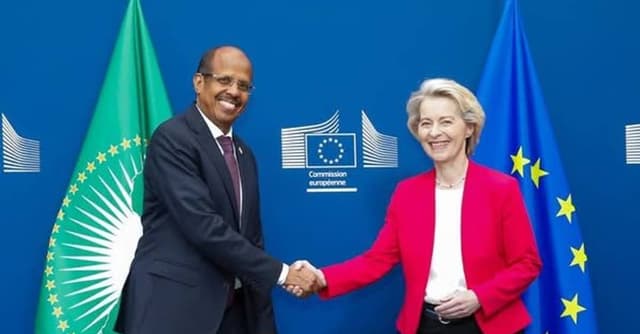
President of the European Commission, Ursula von der Leyen and Chairperson of the African Union Commission, Mahmoud Ali Youssouf discussed ways to deepening cooperation. This evening, AUC Chairperson was received by President of the EU Commission. On the occasion, they discussed the outcomes of the 3rd AU-EU Ministerial Meeting and Africa's agency in development. The third African Union and European Union ministerial meeting was held in Brussels today to take stock of progress made since the sixth AU- EU Summit of February 2022. The two sides have also reaffirmed the strategic AU-EU partnership and the importance of deepening multilateral cooperation on shared priorities: peace and security, stabilization, Africa-led peace support operations, trade, and sustainable infrastructure. The AUC Chairperson emphasized the need to translate the EU-Africa Global Gateway Investment Package into tangible progress aligned with Africa’s development priorities.
Policymakers Intensify Calls for Transparency in Sovereign #CreditRating Methodologies
#African policymakers are stepping up calls for greater transparency and fairness in how global credit rating agencies assess sovereign risk, warning that opaque and inconsistent methodologies are costing the continent billions in lost investment and higher borrowing costs. At a workshop that seeks to promote transparency and build capacity around the sovereign credit rating processes used by major international credit rating agencies, finance officials and economists from across Africa said the current system is failing to reflect the true economic fundamentals and resilience of African economies. “This is a space where power is exercised,” said Raymond Gilpin, Chief Economist for Africa at the United Nations Development Program (UNDP). “And when you don't understand how the power is exercised, you will always be behind.” The two-day workshop, hosted by the African Peer Review Mechanism (APRM) in partnership with the UN Economic Commission for Africa (ECA), UNDP Africa, and Africatalyst, is taking place just ahead of the inaugural Africa Annual Credit Ratings Conference, which opens on 21 May. Organizers say the event is meant to equip governments with tools to navigate, challenge, and actively engage in the credit rating process while addressing macroeconomic challenges that impact national creditworthiness. McBride Nkhalamba, Director of Research at APRM, speaking on behalf of APRM CEO Amb. Marie–Antoinette Quarte, said the stakes are high. “The methodologies used by major credit rating agencies are often opaque and insufficiently understood,” said McBride. “This workshop is a timely opportunity to demystify these methodologies, build technical capacity among our government institutions and deepen engagement.” The event features case studies, simulations and peer learning sessions involving finance and central bank officials from Ghana, Kenya, Ethiopia and Zambia. Zuzana Schwidrowski, Director of the Macroeconomics, Finance and Governance Division at ECA, emphasized the importance of proactive engagement. “Engagement with rating agencies must be informed, confident and proactive - grounded in data and supported by internal coordination,” she said. Schwidrowski urged African institutions to take charge of the narrative. “Africa must own its credit narrative,” she said, adding that “this workshop is not just a forum for technical discussion; it is a platform for strategic empowerment.” Credit ratings are more than technical exercises. They shape Africa’s access to development finance, influence investor decisions, and impact everything from insurance costs to public debt management. Gilpin urged African governments to question the assumptions that are often locked into credit ratings. “We must be prepared to challenge what we’re told respectfully but clearly.” The Africa Annual Credit Ratings Conference, opening 21 May, is expected to bring together stock exchange executives, rating analysts, economists and policymakers for a deeper look at how ratings can unlock domestic financing and support long-term development on the continent.
AfCFTA Opens Alternative Markets to Sectors Affected by Global Tariff Wars: Continental Report
Against the backdrop of rapid changes, marked by rising debt and global trade tensions that have cast a shadow over Africa’s post-COVID-19 economic recovery, the Economic Commission for Africa (ECA) and the Policy Center for the New South held a national dissemination launch of the Economic Report on Africa 2025 (ERA 2025). This year’s edition of the report is titled, "Advancing the Implementation of the Agreement Establishing the African Continental Free Trade Area (AfCFTA): Proposing Transformative Strategic Actions." Considered as one of the most comprehensive economic agreements in existence, the AfCFTA is widely recognized as a game changer for Africa’s long-term growth and prosperity. Its protocols and mechanisms cover a wide range of dimensions such as trade in goods and services, dispute settlement, competition, investment, intellectual property, digital trade, and the contribution of women and youth. ECA experts note that a meticulous implementation of the AfCFTA in 2045 could enable the continent to increase its GDP by 141 billion USD and intra-African trade by 276 billion USD (+45%). In the short-term, the AfCFTA can help African industries threatened by rising international tariffs, such as the automotive and fertilizer sectors, accelerate their shift toward alternative regional markets. ERA 2025 provides an overview of the implementation of the African free trade agreement and its potential impact on structural transformation, and inclusive and sustainable development in Africa. According to ECA, the report also examines the gaps observed in its implementation and draws up a list of priority actions to ensure its successful implementation in a rapidly changing global trade context. However, in order to make these ambitions a reality, the authors of the report note that African countries still need to take several steps to strengthen their position in global trade by creating a common African trade policy vis-à-vis other regions of the world, ironing out inconsistencies in AfCFTA implementation mechanisms and implementing the Protocol on the Free Movement of Persons, to accelerate the emergence of African regional value chains.
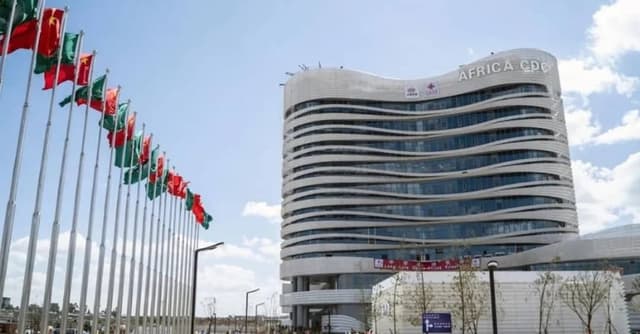
Africa CDC Unveils Strategic Plan to Transform Health Financing, Advance Self-Reliance
African governments have been urged by the Africa Centres for Disease Control and Prevention (Africa CDC) to harness the continent’s annual 95 billion USD in diaspora remittances towards supporting national health priorities, as part of a broader push for sustainable and sovereign health financing. Director General of the Africa Centres for Disease Control and Prevention (Africa CDC), Dr. Jean Kaseya has issued a bold call for African nations to reclaim ownership of their health systems, as the continent braces for a sharp decline in external health aid. “Africa cannot continue outsourcing its health security,” Kaseya said during the unveiling of a new continent-wide health financing strategy. For him, this strategy is not about aid—it’s about ownership, adding that: “We are building a future where Africa invests in its people, drives its own health agenda, and responds to crises with speed, strength, and self-reliance.” Africa CDC’s newly launched strategy comes at a critical time. Between 2021 and 2025, external health aid to Africa is expected to drop by a staggering 70%. At the same time, disease outbreaks have surged by 41% from 2022 to 2024, straining fragile health systems and threatening to undo decades of progress in disease control, maternal care, and epidemic preparedness. In response, Africa CDC is partnering with African Union (AU) Member States to revise national health financing plans, increase domestic investment in health, and pilot innovative revenue-generating mechanisms that reflect the unique contexts of African countries, it was indicated. The strategy calls on governments to meet their Abuja Declaration commitment of allocating at least 15% of national budgets to health. It also introduces new financing ideas, such as applying solidarity levies on airline tickets, alcohol, and mobile services, while exploring ways to harness the continent’s US95 billion USD in annual diaspora remittances to support national health priorities. Blended finance tools will also play a key role in unlocking both public and private capital for critical investments in infrastructure, digital health, and the local production of vaccines and medical supplies. The broader aim is to reshape how African health systems are financed—less reliant on donors, and more driven by sustainable, homegrown solutions. Accordingly, the initiative will roll out in two phases. From 2025 to 2026, the focus will be on updating national health financing plans in 30 countries, testing innovative revenue streams, and launching digital transparency dashboards to ensure public accountability. The second phase, from 2026 to 2030, aims to scale up successful models, with the goal of enabling at least 20 countries to sustainably finance 50% or more of their health budgets using domestic resources. To measure progress and drive accountability, Africa CDC will introduce the African Health Financing Scorecard, a new tool to track implementation, align donor support, and improve efficiency in domestic spending. The strategy has been endorsed by the African Union and is backed by growing political momentum for health sovereignty across the continent. “This is a turning point for Africa,” said Kaseya. “With the right vision, coordination, and commitment, we can build health systems that are not only resilient but also truly African in design and leadership.” As the world continues to face global health challenges, Africa CDC’s plan sets a new benchmark for homegrown solutions—placing African resilience, innovation, and ownership at the heart of a healthier, self-reliant future.
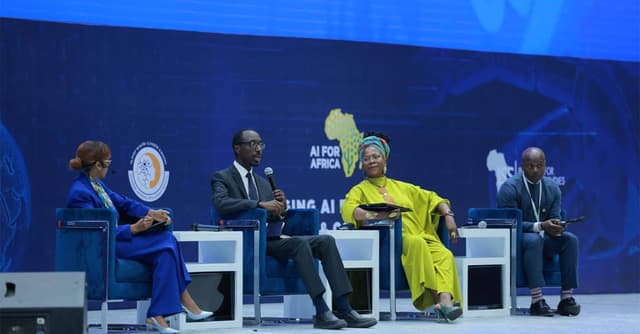
#African Nations Collaborations in AI Key to Unlocking its Potential for Dev't : Panelists
Panelists underscored the critical importance of cross-sector collaboration to unlock AI’s full potential for Africa's destiny. A high-level policy dialogue on collaborative strategies for Artificial Intelligence (AI) adoption in Africa took place today as part of the #EthiopianTechExpo2025 in Addis Ababa. The discussion themed “Leveraging AI for Africa’s Prosperity and Collaboration” brought together high-ranking officials and experts to address the continent’s evolving AI landscape and explore collaborative strategies to ensure Africa’s active participation in the AI revolution. At the panel discussion, Ethiopia’s Minister of Foreign Affairs Gedion Timothewos emphasized the importance of African countries to become active participants in AI research, development, and innovation. Noting the importance of realizing how critical AI is, he said “AI is not a fad. It's not a buzzword. It is something that is going to determine our destiny as human beings for the coming future.” Gedion added “It requires a whole government approach. This is the next industrial revolution. It's already unraveling. We can't afford to miss this train. We need to be on board. We need to drive it.” The minister also urged African countries to engage in discussion about AI governance, stressing that platforms like the Tech Expo were crucial for uniting the continent’s efforts and forming a collective stance on AI regulations and policies. He underscored that collaboration between the public and private sectors, as well as across countries, is crucial, emphasizing that it is key to progress. “When we bring together our knowledge, skills, and human resources, and foster synergy among African nations, I believe we can achieve something truly significant. Without collaboration facilitated by platforms like this, we won’t be able to move forward, ” Foreign Minister Gedion pointed out. Commissioner for Infrastructure and Energy at the African Union, Lerato Mataboge outlined the AU’s AI strategy, emphasizing that AI is no longer a futuristic concept but a present-day reality for many African businesses and citizens. “There are many companies and SMEs already leveraging AI across the continent. The starting point is to recognize that our economies are already engaged with AI, and many of our citizens are actively participating in the AI revolution,” Mataboge stated. Mataboge also acknowledged significant challenges in AI adoption, including the continent’s digital infrastructure deficit and the ongoing AI skills gap. She further stressed “To truly leapfrog into the AI-driven era, we must invest in our digital infrastructure and ensure that African citizens have the skills to engage with AI technologies.” Moreover, she pointed out that retaining skilled professionals is a major hurdle, with many African nations facing substantial brain drain. “We must create strategic pathways for retaining talent, fostering skills development, and localizing AI technologies to reflect African realities,” Mataboge added. Executive Director of the Institute for Security Studies (ISS), Fonteh Akum stressed the interconnectedness of AI and infrastructure. He mentioned that it is extremely difficult to discuss frameworks in isolation without considering how AI links and bridges both old and new infrastructures. “We need power grids; we need broadband, the funding that drives that, despite the fact that Africa has the human capital to drive it already, ” the executive director noted. Akum called for a comprehensive approach to building both physical and digital infrastructures to support the AI ecosystem across Africa. He also highlighted the need for a governance framework that prioritizes ethical AI use, human control over technology, and data sovereignty. He called on African countries to ensure AI doesn’t exacerbate existing inequalities but rather becomes a tool to bridge gaps in development, particularly in agriculture, healthcare, and governance.
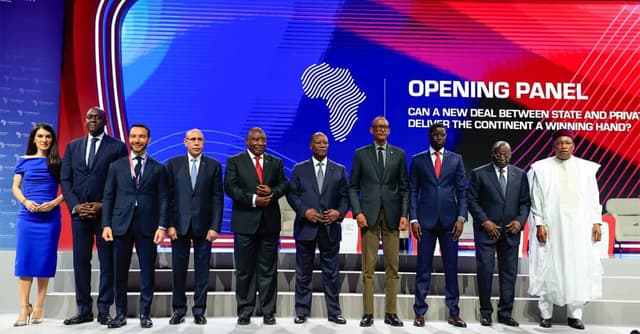
African Leaders Call for Stronger Public-Private Partnerships, Continental Unity at Africa CEO Forum
African leaders have stressed the need for stronger public-private partnerships and continental unity at Africa CEO Forum 2025 in in Abidjan, Ivory Coast. The Africa CEO Forum 2025 held in Abidjan bringing together over 2,800 leaders from the public and private sectors across more than 90 countries. The 12th edition of the forum, focuses on forging a new partnership between African governments and businesses to fast-track the continent’s economic transformation. The central theme – "Can a New Deal Between State and Private Sector Deliver the Continent a Winning Hand?" –frames discussions around economic governance, industrial strategy, and the acceleration of the African Continental Free Trade Area (AfCFTA). In his opening address, President of Ivory Coast Alassane Ouattara called for stronger intra-African trade and continued efforts to process raw materials locally. The president urged on African decision-makers to rethink the frameworks of collaboration between the private and public sectors. He said that the transformation of African economies must, among other priorities, be based on mastering digital technologies, including artificial intelligence. Ouattara called for a committed effort to develop concrete, ambitious, and contextually appropriate solutions to help foster the next generation of African champions. “We must now work to strengthen intraAfrican trade by continuing our efforts to process our raw materials and by accelerating the implementation of the AfCFTA,” he said. The two-day event focused on efforts to improve governance, optimize public policies, and accelerate the implementation of the African Continental Free Trade Area. Presidents of Rwanda, Ivory Coast, South Africa, Mauritania and Senegal attended the opening ceremony of the 12th edition of the Africa CEO Forum. Forum organizers stressed that improving public policy and economic governance is essential to unlocking Africa’s full potential. Founded in 2012, the Africa CEO Forum has evolved from a purely annual event to a permanent platform through which African decision-makers can connect with each other continuously, as well as with international investors and institutions operating on the continent.
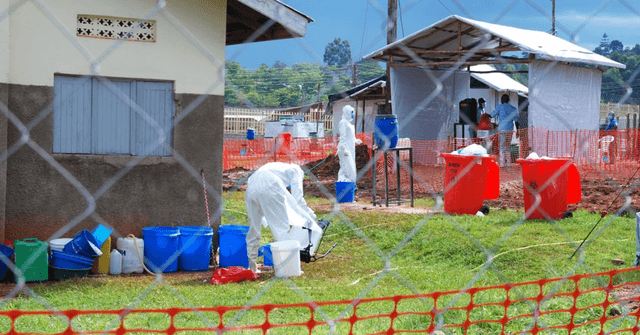
Uganda Declares End of Ebola Outbreak
Uganda declared an end to the Ebola Sudan Virus Disease (SVD) outbreak after completing a 42-day mandatory countdown without any new confirmed cases reported, less than three months after the virus was detected in the capital, Kampala. Ugandan Minister of Health Ruth Aceng made the announcement on Saturday at Busamagga Primary School Playground in the eastern city of Mbale, one of the areas affected by Ebola. The World Health Organization (WHO) guidelines require that for a country to be declared Ebola-free, it must spend 42 days (two 21-day incubation cycles of the virus) without any new cases reported. "Having completed two full incubation cycles — that is, 42 days — since the last confirmed case was discharged and having recorded no new cases amid sustained surveillance efforts, I now officially declare the current Sudan Ebola Virus Disease outbreak in Uganda to be over. Uganda is now free of active Ebola transmission," Aceng said. Uganda declared the SVD outbreak on Jan. 30 after a 32-year-old nurse died of the disease at the Mulago National Referral Hospital in Kampala. During the outbreak, 14 cases, 12 confirmed through laboratory tests and two probable, were reported in the East African country, according to Xinhua. Four deaths, two confirmed and two probable, occurred, according to health authorities. A total of 10 people recovered from the infection, while 534 people were identified as contacts of the confirmed and probable cases and were closely monitored. In a WHO statement, Chikwe Ihekweazu, acting WHO regional director for Africa, said Uganda's experience in managing outbreaks enabled a fast, coordinated and effective response to the virus. "This outbreak challenged us in new ways. It touched both urban and rural communities across the country and unfolded against the backdrop of significant global funding constraints," Ihekweazu said. The WHO donated 2,160 doses of the Ebola trial vaccine to Uganda to evaluate the efficacy of the vaccine in combating SVD, the eighth outbreak of the deadly disease in the country. "Uganda's leadership and resilience were crucial in containing this outbreak," said Kasonde Mwinga, WHO representative in Uganda. "From day one, the WHO worked hand-in-hand with the Ministry of Health, deploying expertise, providing essential supplies, and ensuring every suspected case was investigated. The people of Uganda have shown extraordinary resolve," she said. The WHO said that although the outbreak in Uganda is over, the Ministry of Health, with continued support from the global health body and partners, will continue investing in surveillance, survivor care and preparedness to ensure Uganda remains safe.
#IGAD Expresses Hope New PM Appointment Would Revive Inclusive Political Process in Sudan
The Executive Secretary of the Intergovernmental Authority on Development (IGAD), Workneh Gebeyehu has taken note of the appointment of Kamil al-Tayeb Idris as Prime Minister of Sudan by the Chairman of Sudan’s Transitional Sovereign Council. The Executive Secretary hopes that this appointment will mark a meaningful step toward reviving an inclusive political process, and urges all Sudanese stakeholders to engage in broad-based national consultations aimed at restoring constitutional governance, forging peace, and laying the foundation for a stable and democratic Sudan. He reiterates IGAD’s call for an immediate and unconditional ceasefire, emphasizing that silencing the guns is essential to ending civilian suffering, enabling humanitarian access, and creating an environment conducive to dialogue. IGAD remains steadfast in its commitment to the sovereignty, unity, and stability of Sudan, and stands ready to support, according to the statement.
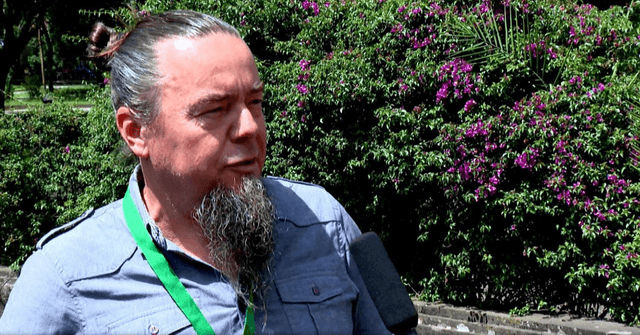
Visitors Express Admiration for #AddisAbaba’s Remarkable Transformation
Visitors have expressed enthusiastic admiration for the dramatic transformation of #Ethiopia’s capital, particularly praising its modern infrastructure and expanding green initiatives. The visitors who are currently in Addis Ababa for the Erasmus+ event admired the remarkable infrastructure developments in the city. The visitors, including those returning after several years, were struck by the city’s rapid development and revitalized appearance. Professor Voda Mihai of Romania, visiting Addis Ababa for the second time, shared his impressions: “I notice a lot of development here in Addis. It is very beautiful compared to January last year. I’m impressed, everything looks nicer, more elegant, and civilized,” he remarked, also noting the city’s enhanced greenery, cleanliness, and fresher air. Zoly Harilala from Madagascar, visiting Ethiopia for the first time in a decade, expressed her amazement at the transformation. “Ten years ago, I saw many construction works underway. Yesterday, when I arrived, the city was shining at night. There are now so many state-of-the-art buildings. The cleanliness is amazing. Congratulations to all Ethiopians on these great achievements,” she said. Professor Kiran Bucha of Mauritius, who previously served at the Mauritian Embassy in Ethiopia in 2014, echoed similar sentiments. “Addis Ababa feels like a new city. The infrastructural changes are remarkable. It’s a delight to be here, we feel at home,” he said. Assistant Professor Osumane Sangho from Mali also lauded the city’s progress, suggesting it could serve as a model for other Sub-Saharan nations. “Hotels are developed, tourism is developed. What I see here is exemplary. Our countries can learn a lot from Ethiopia’s progress,” he noted.
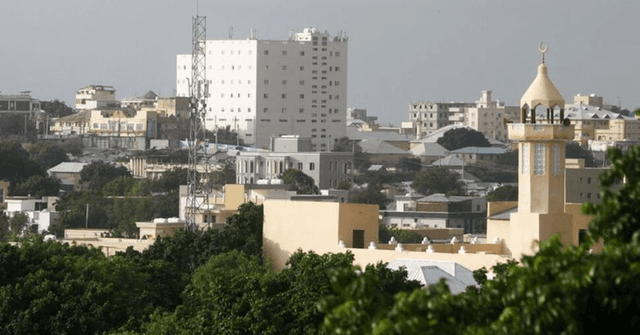
Mogadishu #SuicideBomber Kills at Least 10 at Army Recruitment Drive
At least 10 people were killed today after a suicide bomber targeted a queue of young recruits registering at the Damanyo military base in the Somali capital Mogadishu. Teenagers were lining up at the base's gate when the attacker detonated their explosives, witnesses told Reuters. Abdisalan Mohamed said he had seen “hundreds of teenagers at the gate as we passed by in a bus”. “Abruptly, a deafening blast occurred, and the area was covered by dense smoke. We could not see the details of casualties,” he added. A military captain who gave his name as Suleiman described the attack as he had seen it unfold. “I was on the other side of the road. A speeding tuk-tuk stopped, a man alighted, ran into the queue and then blew himself up. I saw 10 people dead, including recruits and passers-by. The death toll may rise,” he told Reuters. Dozens of abandoned shoes and the remains of the suicide bomber remained visible at the scene. Medical staff at the military hospital told Reuters they had received 30 wounded people from the blast and six of them had died immediately. Separately, an official told the Anadolu news agency that the attack had killed at least 11 people. The government has cordoned off the area. There was no immediate claim of responsibility, but the attack echoed a similar incident in 2023 when a suicide bomber killed 25 soldiers at the Jale Siyad base, located opposite the Damanyo facility. Sunday’s attack follows the assassination on Saturday of Colonel Abdirahmaan Hujaale, commander of Battalion 26, in the Hiiran region amid local reports of the al-Shabab armed group’s infiltration into government and security forces. Al-Shabab has been fighting the Somali government for nearly two decades and frequently targets government officials and military personnel, it was learned.
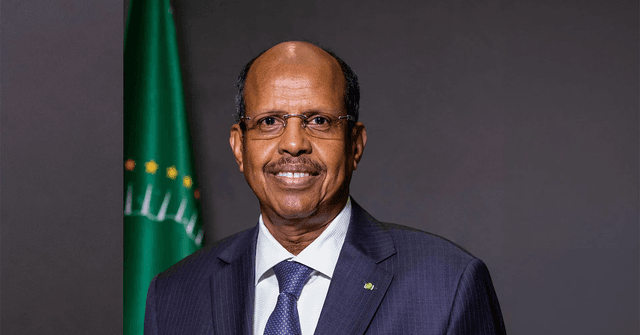
AUC Chairperson Condemns Terrorist Attack against Beninese Army in the Tri-Border Area of Benin, Niger, and Burkina Faso
The Chairperson of the African Union Commission, Mahmoud Ali Youssouf has condemned in the strongest terms the heinous terrorist attack on 17 April 2025, targeting the Beninese Army in the tri-border area shared by Benin, Niger, and Burkina Faso. The chairperson also reaffirmed the African Union’s resolve to deal with terrorism in the Sahel. This cowardly act, which resulted in the tragic loss of lives and left several soldiers injured, further underscores the grave security challenges faced by the region, he noted. The Chairperson expresses deep condolences to the families of the fallen soldiers, the government, and people of the Republic of Benin, and wishes swift recovery to the injured. Such acts of violence are unacceptable and represent a direct threat not only to the Republic of Benin but the entire region. The Chairperson notes that such attacks highlight the urgent need for enhanced cooperation among neighboring states to address the growing threat posed by terrorist groups operating in the Sahel. The Chairperson reaffirms the AU's unwavering commitment and support to the Government and People of Benin in their efforts to combat terrorism and violent extremism.
17 April 2025
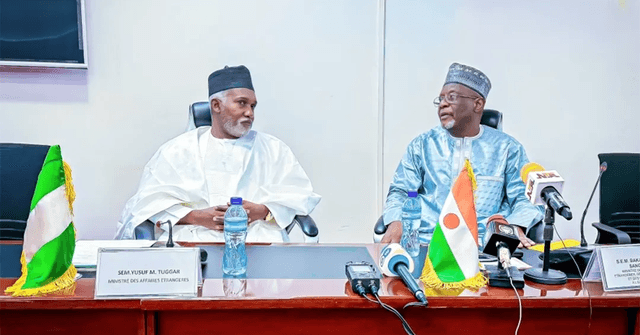
Nigeria, Niger Foreign Ministers Hold Talks on Security and Economic Cooperation Amid Post-Coup Tensions
The foreign ministers of Nigeria and Niger convened for discussions that revolved around critical issues of cross-border security, terrorism, and economic collaboration. In this significant diplomatic engagement, meeting was taken place against the backdrop of heightened tensions following a coup in Niger in July 2023, which has strained relations between the two neighboring countries. Nigerian Foreign Minister Yusuf Tuggar’s visit to Niamey marks just the second trip by a senior Nigerian official since the coup, following a previous visit by General Christopher Musa, Nigeria’s defense chief, in August. During their discussions, Tuggar and Niger’s Foreign Minister Bakary Yaou Sangare exchanged views in what was described as a cordial atmosphere, addressing the pressing challenges that both nations face. A joint statement issued by the ministers highlighted the serious threat posed by terrorism along their shared borders, describing it as a “real obstacle to the effective implementation of all development programs.” This acknowledgment underscores the shared concern over security issues that threaten stability and progress in the region. In addition to security matters, the ministers also explored economic cooperation initiatives. Notably, they focused on the railway project that will connect Nigeria’s Kano and Katsina cities to Maradi, Niger, which is expected to commence operations in 2026. This infrastructure initiative is aimed at enhancing trade and facilitating movement between the two countries. Further discussions touched on the ambitious Trans-Sahara Highway and the proposed Trans-Saharan gas pipeline, which have the potential to bolster connectivity and energy cooperation. They also reviewed matters related to customs and taxation, crucial for fostering economic ties. The geopolitical context of the meeting is also notable. Earlier this year, Niger, Burkina Faso, and Mali withdrew from the Economic Community of West African States (ECOWAS), citing dissatisfaction with the bloc’s approach to combating jihadism. The three nations, currently led by military juntas, have experienced ongoing jihadist violence and have since formed their own Alliance of Sahel States, signaling a shift in allegiance from former colonial power France towards Russia. This recent diplomatic engagement between Nigeria and Niger highlights the importance of cooperation in addressing regional security and economic challenges, especially in light of the evolving political landscape in West Africa.
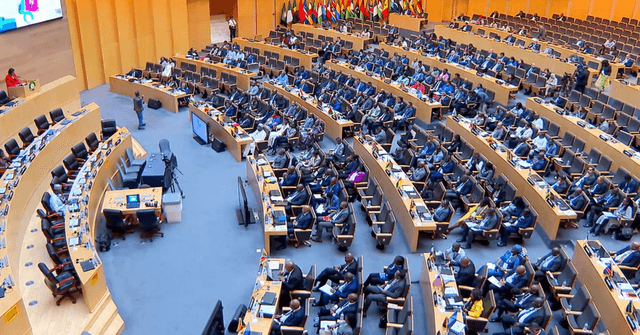
African Officials Urge Concerted Efforts to Foster Continental Dev’t amid Global Uncertainties
African officials have emphasized the need to redouble continental efforts to address peace and security challenges and foster Africa's development amid mounting global uncertainties. This came as African foreign ministers, the African Union (AU) Commission leadership, and officials of various AU organs convened the 24th Extraordinary Session of the AU Executive Council at the AU headquarters in Addis Ababa, the capital of Ethiopia. Addressing the opening session, AU Commission Chairperson Mahmoud Ali Youssouf underscored the urgent need to enhance efforts aimed at promoting continental development, stability, and unity to withstand the adverse effects of "ever-growing" global uncertainties. "In light of the profound challenges and the polarization of the world, I would like to underscore the importance of African solidarity and the coherence of our actions that we carry out for our continent, because we have difficult times ahead," Youssouf said, expressing concern over recent developments undermining multilateralism.
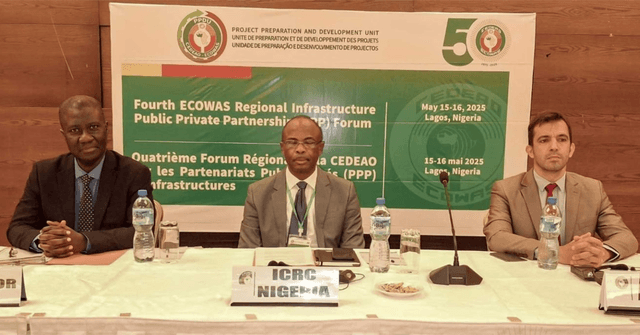
#ECOWAS Convenes 4th Regional Infrastructure Public-Private Partnerships Forum
The Economic Community of West African States (ECOWAS) has organized its Fourth Regional Infrastructure Public-Private Partnerships (PPP) Forum in Legos focusing on “Strengthening Legal Frameworks for PPPs”. Under the theme ‘Strengthening Legal Frameworks for Sustainable PPPs,’ the forum aims to create a platform to discuss challenges and opportunities relating to PPP legal and regulatory frameworks, drawing from the experiences of several ECOWAS Member States. It will identify critical success factors to support the formulation of effective PPP regulations in the context of emerging markets with limited access to capital. This is designed to strengthen the efforts of ECOWAS and regional partners, including the World Bank and the Spanish Agency for International Development Cooperation (AECID), to ensure the success of regional PPP infrastructure projects such as the Lagos – Abidjan Highway Corridor Project and the Praia – Dakar – Abidjan Highway Corridor Project.
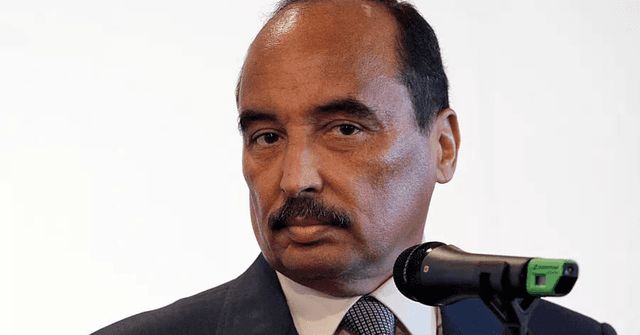
Former #Mauritanian President Ould Abdel Aziz Sentenced to 15 Years in Prison for #Corruption
Mauritania’s former president Mohamed Ould Abdel Aziz has received a 15-year jail sentence on corruption charges. Aziz, a former military general who rose to power through two coups before serving as president from 2009 to 2019, was found guilty of money laundering and illicit self-enrichment. Investigators estimate that the former president who led the northwest African country of 4.5 million people, accumulated assets and capital worth 70 million US dollar during his presidency. The trial has drawn international attention as a rare example of an African head of state being held accountable for corruption while in office. Aziz’s legal team has dismissed the charges as politically motivated, alleging they stem from a falling-out with his successor, President Mohamed Ould Cheikh Ghazouani. Once close allies, Aziz and Ghazouani experienced a sharp rift after Mauritania's first peaceful democratic transition of power in 2019. Tensions escalated when Aziz attempted to reclaim influence within the ruling party. In 2020, a parliamentary commission launched a sweeping investigation into alleged corruption during his administration, eventually implicating 11 others. Wednesday’s ruling cleared six high-ranking officials from Aziz’s former government but upheld a two-year prison sentence for his son-in-law on charges of influence peddling. The court also ordered the dissolution of the “Errahma” (Mercy) Foundation, run by Aziz’s son, and authorized the seizure of its assets., it was learned. Mauritania, despite its vast natural wealth, including iron ore, gold, copper, oil, and natural gas, continues to face high levels of poverty. According to the United Nations, nearly 60% of the population lives below the poverty line, often working in informal jobs or agriculture.
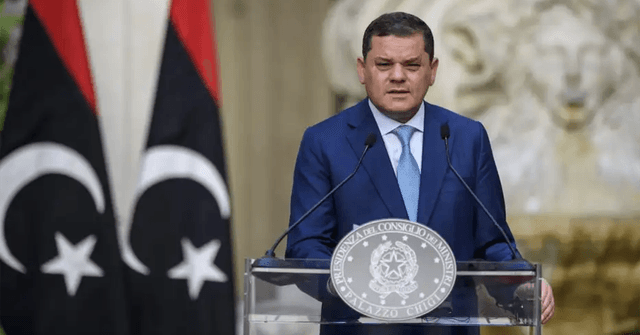
Libyan PM Orders Closure of 25 Diplomatic Missions to Cut Public Spending
Libyan Prime Minister Abdul-Hamed Dbeibah on Wednesday ordered the closure of 25 diplomatic missions abroad and a reduction in the number of Libyan diplomats as part of efforts to curb public spending[cite: 7]. The decision will result in the closure of 25 embassies, consulates, and missions in places including the Vatican, Albania, Vietnam, and Seychelles, and merge them into Libyan missions in countries that include Italy, Malaysia, and Kenya[cite: 8]. The decision also calls for the formation of a committee to reduce the number of diplomats and employees at Libyan missions abroad[cite: 9]. During a meeting with the state-owned National Oil Corporation on Tuesday, Dbeibah announced the intention to reduce the number of Libyan diplomats abroad by 20 percent[cite: 10]. "We will close a number of embassies. This is an important decision for the people, and it will help create a surplus of foreign currency consumption, especially since these embassies consume large amounts," Dbeibah said during the meeting[cite: 11]. Dbeibah's decision comes amid growing calls to cut government spending in an effort to improve Libya's economic situation[cite: 12].
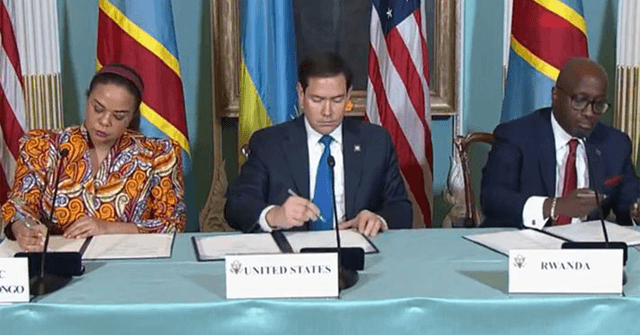
DR Congo, Rwanda Reach Preliminary Agreement after Doha Talks
DR Congo and Rwanda, in light of progressive deliberation towards a ceasefire in Eastern Congo have been tasked to submit a draft agreement to end the war. The two countries agreed to promote peace and economic development in a new peace agreement signed in Washington on Friday, paving the way for the drafting of a peace deal in a week. The agreement would be in line with a declaration of principles signed in Washington a week ago. Delegations from Kinshasa and Kigali have been meeting in Qatar to iron out their differences. On Wednesday, the US president's Africa envoy Massad Boulous joined Congolese, Rwandan, Togolese and French representatives at the talks in Doha. The draft deal would cover issues such as territorial sovereignty, the fight against armed groups, the mineral trade, refugees, and the role of international forces, particularly MONUSCO. Rwanda-backed rebels took control of two provincial capitals in eastern Congo earlier this year, forcing Kinshasa to soften its stance on dialogue with the M23 group.

Chad, Cameroon Open New Border Bridge Paving Ways for Regional Integration
Cameroon and Chad inaugurated a bridge over the Logone River on Monday with bilateral ties deepening and paving ways to expediting regional integration. Cameroon's Prime Minister Joseph Dion Ngute and his Chadian counterpart Allamaye Halina presided over the inauguration of the new bridge, constructed over five years at a cost of £499 million. The completion of this new bridge marks a pivotal moment in regional connectivity as it transforms travel between two significant African nations, bringing immense benefits to local residents. The bridge, measuring about 620 meters long and linking the Cameroonian town of Yagoua to Chad's Bongor town, is a mark of friendship between the two countries, officials said while officially opening the bridge. "The bridge is a symbol of togetherness and fruitful cooperation … it will be named 'Chad-Cameroon Bridge of Friendship, Hope, and Unity'," said Halina. "This is a bridge between two peoples. This will help in facilitating our coming closer together," Ngute added. This is the second bridge to link the two countries, following the Nguéli Bridge, which connects Kousseri in Cameroon to the Chadian capital, N'Djamena. According to the officials, the new bridge will boost connectivity between the two countries and is also expected to increase integration, commercial exchanges, and movement of goods and people between the Economic Community of West African States and the Economic Community of Central African States.
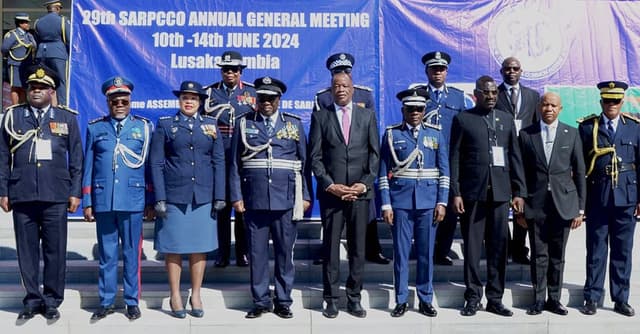
SADC security Experts Convening for Meeting in Tanzania to Tackle Organized Transnational Crime
Criminal investigation directors and security experts from member states of the Southern African Development Community (SADC) began a three-day meeting in Tanzania on Monday to discuss the challenges posed by organized transnational crime and to develop joint strategies to combat the vice[cite: 1]. The security experts are meeting in the port city of Dar es Salaam under the Southern African Regional Police Chiefs Cooperation Organization (SARPCCO) to enhance coordinated strategies to fight organized transnational crime[cite: 2]. Tanzanian Inspector General of Police Camillus Wambura said the agenda of the meeting focuses on organized transnational crime, including human trafficking, drug trafficking and abuse, terrorism, cybercrime, and financial crime[cite: 3]. Wambura said the rise of modern crime using advanced technology requires strong and close cooperation among SADC member states to build collective strength to effectively address threats to regional security[cite: 4]. "Cross-border security challenges require true regional solidarity. Through forums like this, we gain the opportunity to share experiences, intelligence, and best investigative practices to ensure our region remains secure," he said[cite: 5]. SARPCCO was formed in 1995 by SADC member states with primary responsibility for preventing and combating cross-border and transnational organized crime[cite: 6].
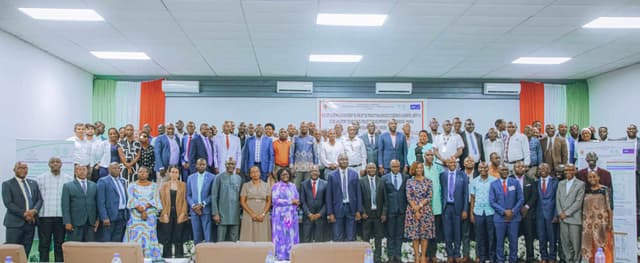
Burundi Launches Major Agriculture Modernization Project with AfDB
The Burundian government and the African Development Bank (AfDB) officially launched the Burundi component of the Burundi-Rwanda Integrated Development Project (BRIDEP) in Bujumbura. The initiative aims to modernize agriculture, improve cross-border trade, and foster regional integration. With a budget of $152 million, the six-year project (2024–2029) targets rural transformation and poverty reduction. It will operate in nine provinces with high agricultural potential, including Kirundo, Gitega, Muyinga, and Cibitoke. Key objectives include developing irrigable land, promoting agro-industrialization, and empowering youth and women entrepreneurs. At the technical launch workshop, stakeholders outlined the project’s components. Plans include cultivating 24,000 hectares using improved seeds, teaching climate-resilient farming techniques, and rehabilitating 6,000 hectares of marshland and 18,000 hectares of watershed. Additionally, 40 private breeding centers will improve pig and poultry strains. A digital platform linked to the geolocation of 120,000 households will centralize access to inputs, financing, and markets. Strategic infrastructure developments include Burundi's first one-stop border post at Akanyaru Haut and two pilot agricultural hubs in Cibitoke and Karuzi, created through public-private partnerships. Officials emphasized the project’s transformative potential. Diomède Ndayirukiye of Burundi’s Ministry of Agriculture highlighted its role in sustainable, inclusive development. AfDB Country Manager Pascal Yembiline called agriculture “the beating heart of the Burundian economy,” while AfDB’s Pascal Sanginga described BRIDEP as a model for high-impact, regional integration-focused projects. The initiative is co-financed by AfDB, the International Fund for Agricultural Development (IFAD), and the Burundian government.
May 27, 2025
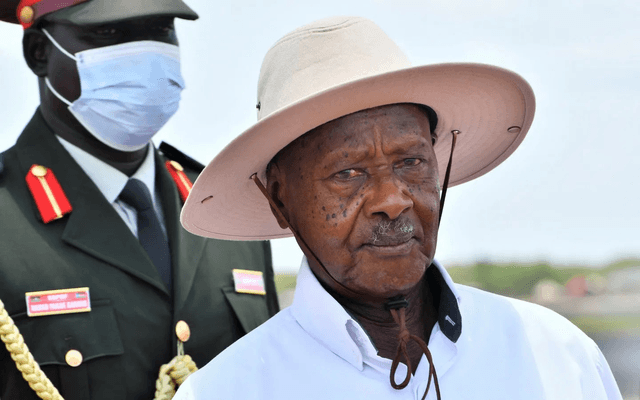
Uganda Suspends Defense Cooperation with Germany over Ambassador's Alleged Subversive Acts
Uganda’s military has severed all military cooperation with Germany after it accused Berlin’s ambassador to Kampala of involvement in “subversive activities,” the country’s military spokesperson said. “The Uganda People’s Defense Forces has with immediate effect suspended all ongoing defense and military cooperation activities with the Federal Republic of Germany,” UPDF Spokesperson Chris Magezi said in a statement posted on X platform on Sunday. The spokesperson said the decision is in response to credible intelligence reports that German Ambassador to Uganda, Mathias Schauer, is actively engaged in subversive activities in the country. "The suspension will remain in force until the full resolution of the matter of the ambassador's involvement with hostile pseudo-political-military forces operating in the country against the Ugandan government," Magezi added. Several opposition politicians and supporters have been arrested in Uganda over reports that they are involved in subversive activities. Veteran opposition politician Kizza Besigye is currently facing treason charges in court. Security agencies have warned opposition politicians against causing chaos as the country prepares for general elections scheduled for early next year. The opposition has protested the arrests, saying they are facing trumped-up charges.
May 26, 2025
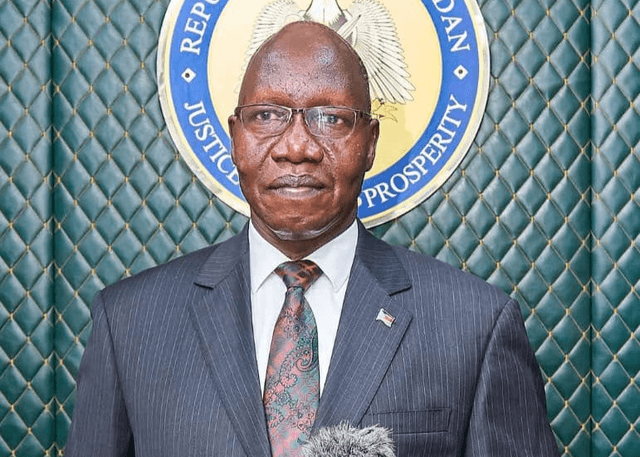
South Sudan, Uganda, and CAR Sign Landmark Road Agreement
South Sudan announced a major agreement with Uganda and the Central African Republic (CAR) to build a 1,800-kilometre road network linking Kampala, Uganda, to Bangui, CAR, through South Sudan. This transformative infrastructure project aims to boost regional trade, connectivity, and economic development. The project involves two main routes. The first will connect Kampala to Juba via either Karuma, Arua, Oraba, Kaya, Yei, and Juba or Karuma, Nimule, and Juba. The second route will extend from Juba to Bangui, passing through Mundri, Maridi, Yambio, Yubo, Ezo, Bambouti, Obo, and Sibuti. An additional segment will link Ezo, Source Yubu, and Bambouti. South Sudan’s Minister of Roads and Bridges, Simon Mijok Mijak, described the project as a “game-changer” for regional integration. The roadways are designed to become critical trade corridors, enabling easier transport of goods such as agricultural products and natural resources across the region. The initiative will also create significant employment opportunities, particularly for youth, with a focus on labour-intensive construction methods. The project includes complementary investments in infrastructure and industries such as fisheries. The road network supports broader goals under the East African Community and the African Union’s Agenda 2063, both of which emphasize infrastructure as key to economic growth. The three countries will jointly seek funding from governments, development partners, and private investors to bring the project to life.
May 26, 2025
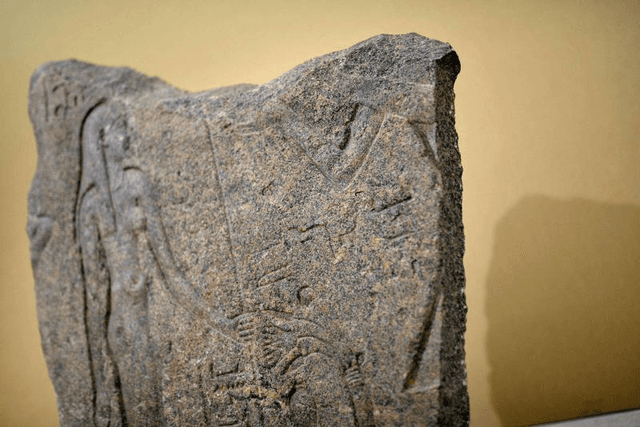
Egypt Recovers Smuggled Artefacts from Australia and Beyond
On May 19, 2025, Egypt’s antiquities ministry announced the recovery of 21 ancient artefacts smuggled to Australia, including a funerary figurine, an Eye of Horus amulet, and a sarcophagus fragment. The items, previously displayed at a major Australian auction house, were found to lack proper ownership documentation and were handed over to Egypt’s embassy in Canberra. The artefacts have since been returned to Cairo and are undergoing restoration at the Egyptian Museum in Tahrir. They will be featured in a temporary exhibition alongside other recovered treasures. This repatriation is part of a broader national effort to reclaim Egypt’s looted heritage. Since 2011, when political unrest and looting followed the fall of President Hosni Mubarak, Egypt has retrieved nearly 30,000 stolen artefacts that had surfaced in international markets and private collections. One notable recovery includes the final piece of the Sheshn Nerfertem stela, a fourth-century BC stone slab that vanished from a Luxor excavation in 1995. Smuggled to Switzerland in parts, three segments were returned in 2017, and the fourth was received by Egypt’s embassy in Australia six years ago. The fully restored stela will also be displayed at the Egyptian Museum. Officials continue to work with international partners to track and repatriate antiquities, underscoring Egypt’s determination to protect and preserve its cultural heritage.
May 19, 2025
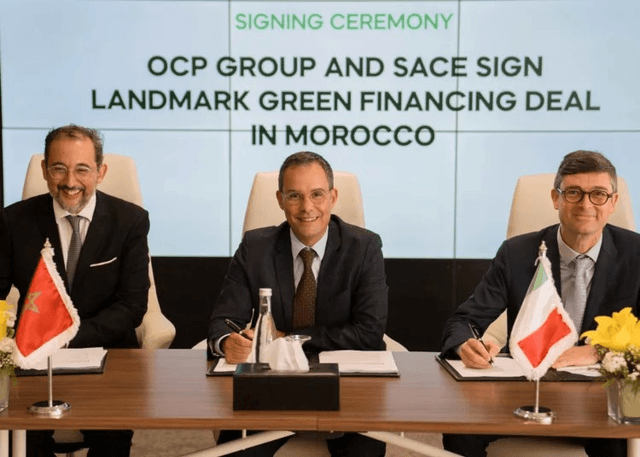
Morocco’s OCP Secures €365 Million Green Financing from Italy’s SACE
Morocco’s OCP Group has secured €365 million in green financing from Italy’s SACE Group, marking the first deal under OCP’s Green Finance Framework and the first SACE Push Strategy-backed financing in Morocco. This landmark agreement underscores OCP’s drive toward sustainability and innovation in plant nutrition. OCP, the world’s leading producer of phosphate-based fertilizers, will use the funding to support its $13 billion green investment plan (2023–2027). The plan targets full reliance on non-conventional water, including 560 million m³ of desalination capacity annually by 2027, complete clean energy use by 2027, and carbon neutrality by 2040. It also aims to scale green fertilizer production and enhance global food security. SACE, Italy’s state-backed financial and insurance group, is using this deal to promote Italian industrial exports and deepen business ties with Africa, particularly under the Mattei Plan. The agreement also opens opportunities for Italian SMEs through SACE’s business matching with OCP. Italian Ambassador to Morocco Armando Barucco highlighted the deal’s role in strengthening bilateral economic collaboration, while SACE’s Chief International Officer Michal Ron noted its alignment with Italy’s strategy to expand its global trade footprint. OCP CFO Karim Lotfi Senhadji called the agreement a key step in accelerating the group’s sustainability goals. “This partnership reinforces OCP’s financial strategy and opens new avenues for sustainable growth in Morocco and Italy,” he said. This financing signals a broader shift toward green industrial partnerships and climate-resilient infrastructure in Africa.
May 26, 2025
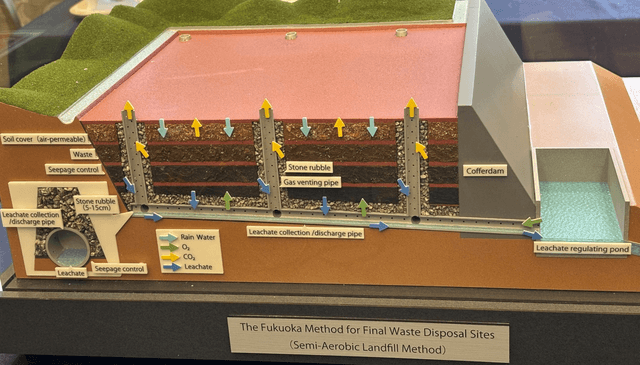
UNIDO Launches World’s First Carbon Credit Project Using Semi-Aerobic Landfill Method in Tunisia
The United Nations Industrial Development Organization (UNIDO) has signed a landmark grant agreement with Japan’s EX Research Institute (EXRI) to implement the world’s first carbon crediting project using the Fukuoka method—a semi-aerobic landfill technique—at a waste management site in Béja, Tunisia. This initiative is part of UNIDO’s broader project “Promoting Climate Innovation and Partnership for Transition Towards Deep Decarbonization (UNIDO-JCM),” funded by Japan’s Ministry of the Environment under the Joint Crediting Mechanism (JCM). The JCM promotes the transfer of advanced low-carbon technologies from Japan to partner countries, helping both meet their Paris Agreement goals through emission reduction projects. The Fukuoka method, developed in Japan in the 1960s, accelerates waste decomposition and reduces methane emissions by introducing air into landfill sites. It improves environmental conditions through better air quality, leachate drainage, groundwater protection, and odor control. In Tunisia, EXRI has partnered with the National Waste Management Agency (ANGED) to create a 3,400 m² landfill cell using the Fukuoka method in Béja. This pilot project marks a major step in Africa's adoption of innovative climate technologies and will generate verifiable carbon credits. UNIDO-JCM also supports other projects, such as a completed solar-plus-storage installation at a Kenyan rose farm. Japanese firms working on JCM projects can receive up to $1.5 million in grants, with 25% co-financing required. The 2025 Call for Proposals for new UNIDO-JCM projects is expected in early summer.
May 26, 2025
Ghanaian Nurse Naomi Ohene Oti Wins 2025 Global Nursing Award for Cancer Care
Naomi Oyoe Ohene Oti, an oncology nurse from Ghana, has been honoured with the prestigious 2025 Aster Guardians Global Nursing Award for her groundbreaking work in cancer care and nurse education. The award, which includes a $250,000 prize, was presented in Dubai by UAE Minister of Tolerance and Coexistence Sheikh Nahyan bin Mubarak Al Nahyan. Ohene Oti leads nursing at the National Radiotherapy Oncology and Nuclear Medicine Centre at Korle-Bu Teaching Hospital in Accra. She was chosen from over 100,000 applicants across 199 countries. Her work focuses on reducing cancer care disparities in Ghana and across Africa through education, training, and healthcare system reforms. At the ceremony, she stated, “This recognition belongs to every nurse across Ghana, Africa, and the world who leads with resilience, compassion, and courage.” Under her leadership, Ghana’s oncology nursing sector has flourished, with new training programs launched in partnership with international institutions like Canada’s Cross Cancer Institute. She also helped develop Ghana’s postgraduate oncology nursing curriculum, which has trained over 70 oncology and breast care nurse specialists since 2015. Ohene Oti’s influence extends beyond Ghana. She contributes to cancer nursing policy and education across Africa through roles with the African Organisation for Research and Training in Cancer (AORTIC) and collaborations with global oncology bodies. Her work emphasizes culturally relevant and equitable care. The award highlights the critical role of nurses worldwide in advancing healthcare, a message reinforced by WHO Director-General Dr. Tedros Adhanom Ghebreyesus during the ceremony.
May 26, 2025

South Africa’s Communications Minister Denies Favoring Elon Musk’s Starlink
South Africa’s Communications Minister, Solly Malatsi, on Tuesday denied accusations that a draft policy aimed at easing Black ownership requirements for tech firms was designed to benefit Starlink, the satellite internet business owned by South African-born billionaire Elon Musk. Under South African law, foreign-owned companies must sell 30% of their subsidiaries to Black shareholders or individuals from other racial groups disadvantaged under apartheid in order to obtain a license. However, Malatsi’s recent proposal to relax these requirements has sparked criticism from various political parties. Instead of direct ownership, the new directive would allow companies like Starlink to meet empowerment criteria through alternative means such as investing in skills development, job creation, and forming partnerships with local suppliers. The proposal comes just days after South African President Cyril Ramaphosa met with U.S. President Donald Trump at the White House, where Trump made controversial and unfounded claims about the systematic killing of white South African farmers. This timing raised further suspicions about the motivations behind the policy change. Malatsi, however, has dismissed any suggestion that the draft policy is tailored to benefit Musk’s business, insisting that it aims to create more inclusive economic opportunities in the tech sector.
May 27, 2025

UAE Firm to Build FLNG Barge for Perenco’s Gabon Project
Perenco affiliate Dixstone and UAE-based engineering and construction company Technomak have signed a strategic EPCCI (engineering, procurement, construction, commissioning, integration) agreement for the Cap Lopez FLNG project in Gabon. This follows Perenco’s final investment decision for the project, with Dixstone awarded the contract to oversee construction, procurement, and integration. The Cap Lopez FLNG facility is a nearshore floating liquefied natural gas plant designed to produce 0.7 million tonnes per annum (mtpa) of LNG and 25,000 tonnes of LPG annually. It will feature storage capacity of 137,000 cubic meters in an ex-gas tanker converted into a floating storage and offloading unit (FSO). The project is set to expand the existing Cap Lopez oil export terminal and is expected to be operational by 2026. Under the agreement, Technomak will fully construct and assemble the FLNG barge at its UAE facility before transporting it to Gabon for deployment. This collaboration aims to leverage Technomak’s engineering and construction expertise to deliver the project efficiently. Earlier this year, the LNG liquefaction technology contract was awarded to Aragon, an affiliate of Seatrium, further advancing the project’s technical capabilities. The Cap Lopez FLNG project is poised to boost Gabon’s LNG production capacity and support its position in the regional energy market.
May 8, 2025

Tanzania to Open East Africa’s Longest Bridge in June
Tanzania is set to inaugurate the Magufuli Bridge on June 19, 2025, marking a major milestone in East Africa’s infrastructure landscape. Spanning 3 kilometres across Lake Victoria, the bridge connects Kigongo and Busisi, eliminating the need for ferry travel and dramatically reducing travel times. The bridge is part of Trunk Road T4, a key trade route linking Tanzania with Uganda, Rwanda, Burundi, and the Democratic Republic of Congo. It is expected to significantly boost cross-border trade, logistics, and regional integration. Constructed without foreign loans or external contractors, the TSh700 billion ($270 million) project was fully funded by the Tanzanian government and built using local engineering teams under the Ministry of Works. This achievement highlights Tanzania’s growing capacity to execute large-scale infrastructure projects independently. The bridge includes 1.66 km of access roads and connects with newly built feeder roads in the Lake Zone, expanding connectivity to underserved communities. Sustainability features and green energy components are also part of the design. Prime Minister Kassim Majaliwa called the bridge “a statement of national pride and regional progress.” Named after the late President John Magufuli, the structure symbolizes Tanzania’s development ambitions and leadership in the region.
May 28, 2025

Africa Must Reclaim Control over its Food System
Africa has long been trapped in a vicious cycle of dependency from which it must either break out quickly and once and for all, or else drag the continent into a perpetual state of underdevelopment. This dependency not only perpetuates economic deprivation over the long term but also undermines human dignity, threatening Africa’s rightful position and ability to shape its own future. In particular, food dependence has robbed Africa of all it has and all it can do, because it stifles capacity, as the effects of deprivation are multifaceted. Similarly, depending on others for our own existence is more than a harbinger of how far behind we are, but also casts a shadow on our future. The situation does not simply make us vulnerable; it creates a huge loophole for outsiders to claim carte blanche in our affairs on our behalf. This is what we call a complete surrender of our freedom to be determined by the tactic of others. The problem is directly linked to the effects of colonialism and its attendant extractive economic as well as the current impact of climate change, lack of modernized farming systems, and other equally compelling explanations. Yet, no African country will be immune from taking responsibility for failing to address these fundamental challenges, at least not significantly, during this time in the Information Age when humanity is advancing toward a new level of innovation. It seems with this sense of urgency that the African Union has recently adopted and launched its Comprehensive African Agricultural Development Program (CAADP) 10-year strategy plan to transform the agricultural sector and pave the way for a new dawn for African food production revolution. This continental flagship project is an extension of nations’ unilateral approach to achieve food self-sufficiency. This collective approach is geared toward changing the grim reality of the continent, which currently relies on imports for a significant portion of its food, to one of abundant production through sustainable methods that address domestic needs. This is also a move to reverse the traditional approach of addressing lingering food problems through food security, a concept that many analysts have condemned as perpetuating a cycle of dependency. This approach only focuses on ensuring sufficient food in the short term, ignoring the long-term. This mindset has compelled African countries to rely on aid to fulfill basic food needs without much concern for boosting domestic food supply. Any developed nation has transformed its economy by making food production and diversification a top national priority, as relying on imports can no longer guarantee national development. This is true for Western nations and Asian "tiger" nations, including China, in their initial stage of development, and the same should be true for African countries. Clearly, Africa will not be able to develop, transition to a better frontier, or reclaim its dignity unless it eliminates its dependency on external food sources. A continent that has failed to substantially address its food needs will never be able to play an important role in the international arena, whether in politics, economics, or many other fields. Food is the foundation of human development; therefore, its scarcity could significantly impact various development endeavors. Consequently, there has been a constant call for African countries to achieve food sovereignty by utilizing their favorable agricultural potential, including arable land, vast water resources, and a favorable environment. Food sovereignty is not just about overproducing; it's about producing food in a culturally and ecologically appropriate way. This concept is closely linked to policy documents and grassroots sustainable agriculture practices. This subject is more than an economic mantra; it has significant implications for what Africa is and what it aspires to be in the future. Thus, achieving this is a profoundly historical act with the power to recalibrate the African economic domain and reignite long-term development endeavors. The creation of a healthy, productive, and innovative workforce depends on the quantity and quality of meals provided, among other things. The more countries provide their citizens with nutritious meals, the more likely they are to have a healthy and productive workforce that can contribute to economic development. In addition, importing food (worth $50 billion annually) creates long-term dependency and distorts the economy by funneling out foreign currency, which barely makes it through the continent's minimal export base and could otherwise serve as financing for profitable sectors. On the other hand, working towards food sovereignty, despite its direct impact on the food chain system, creates huge opportunities for long-term investment in the economy and the environment. Furthermore, this shift has the potential to provide job opportunities to millions of young people along the value chain, which would significantly stimulate the African economy. In light of this, African countries have achieved significant results in boosting agricultural production, but ensuring quality and addressing the growing demand fully, as well as maintaining sustainable agricultural practices, remains questions. Therefore, promoting modern farming techniques that align with preserving ecosystems is the way forward. All stakeholders in African countries and their partners must contribute to realizing the continent's dream of food sovereignty.
May 28, 2025
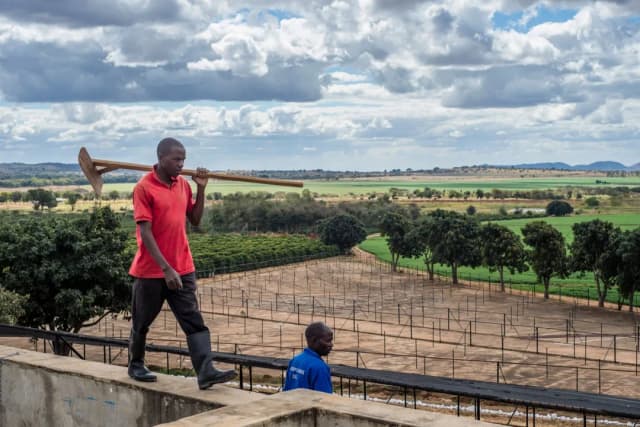
A Turning Point in Africa's Debt Emergency with the 2025 Lomé Debt Summit
Africa is grappling with a huge debt crisis. At present, over half of the nations on the continent dedicate more resources to servicing interest payments than to other vital projects, which severely limits their ability to invest in sustainable development. In 2023, low- and middle-income countries together spent $1.4 trillion on foreign debt servicing, with interest payments soaring to an astonishing $406 billion. Africa, in particular, is experiencing disproportionately high borrowing costs, which complicates efforts to invest in the continent's growth and development. The debt crisis has now emerged as a critical issue for the continent. The African Union and its member states are pushing for reforms to change this troubling situation. The African Union’s Lomé Debt Summit in Togo was one of these efforts. The summit, held from 12 to 14 May 2025, was widely considered a potential turning point for Africa's economy. With debt servicing costs continually rising and geopolitical instability affecting the continent, this summit aimed to foster dialogue and establish a framework for more sustainable debt management and equitable global financial cooperation. African leaders, economists, and civil society gathered to discuss Africa's pressing debt challenges, providing space to reshape the continent’s economic narrative toward debt self-reliance. The Lomé Debt Summit produced the Common Declaration on Africa's Debt, a historic framework designed to address the continent’s crippling debt burden. With nearly half of African nations grappling with debt-to-GDP ratios exceeding 60% and paying over 10% interest on short-term bonds, the declaration promotes innovative financing and strategic debt use to reduce dependence on external loans. Many advocated for reforms in the global financial systems to empower African economies, paving the way for sustainable growth across the continent. The summit revisited Africa’s past debt struggles, echoing the ignored calls for reform from the 1980s conferences. With countries like Zambia requiring $7–11 billion annually for infrastructure yet limited by low domestic revenues, discussions targeted biases in global institutions like the IMF and credit rating agencies. This collective dialogue aimed to establish a fairer debt restructuring process, empowering African nations to drive their own economic stability. The conference prioritized building Africa’s financial institutions, a vital step toward continental autonomy. With debt servicing draining funds from critical sectors like energy and infrastructure, leaders pushed for strengthening the African Development Fund and advancing plans for an African Monetary Fund. This unified effort sought to create robust, homegrown financial systems, encouraging resilience and unlocking Africa’s economic potential. The Lomé Summit’s outcomes, set to influence global forums like the 2025 Financing for Development Conference and South Africa’s G20 presidency, signal a daring shift in Africa’s economic strategy. With proposals like a borrowers’ club to secure better lending terms, African leaders are challenging global financial norms to prioritize the continent’s needs. This ambitious agenda aims to redefine Africa’s role in global economics, ensuring debt fuels growth rather than dependency.
May 29, 2025

Africa’s Security Summit Signals Push for Autonomy
Africa's security landscape is increasingly defined by its pursuit of autonomy. Traditional threats like terrorism and armed conflict now intersect with modern challenges such as cybercrime and transnational crime. Yet, efforts to solve these problems have often faltered, in part because of an overreliance on external actors. A growing number of African leaders are now calling for locally led solutions tailored to Africa’s specific realities. At the inaugural International Security Conference on Africa (ISCA) held in Kigali, Rwanda, on May 19–20, 2025, leaders from 17 countries emphasized that Africa must take responsibility for its own security. President Paul Kagame's declaration that "Africa’s future, particularly in matters of peace and security, cannot be outsourced" captured the conference’s central theme. Delegates agreed that African-led security solutions are not just necessary—they are long overdue. The summit explored terrorism, cybercrime, and regional conflicts through a uniquely African lens. A standout moment was Rwanda’s showcase of locally manufactured arms, including rifles and armored vehicles made by REMCO in partnership with Israeli firms. The "Made in Rwanda" labels were a bold signal that Africa is ready to reduce its reliance on imported military hardware. Other countries echoed this push. Nigeria’s revitalized DICON and Ethiopia’s SkyWin Aeronautics are advancing domestic production of arms and drones. Across the continent, countries are developing their own UAVs, reflecting a continent-wide shift from foreign dependency to self-reliance in defense. Delegates at ISCA stressed the importance of building regional defense capabilities and institutions. Kagame and other leaders insisted that international partners must take a supporting role—not a leading one—in Africa’s security architecture. African-led efforts like creating a continental defense industry and enhancing cooperation among regional blocs were presented as long-term solutions. The Kigali summit marks a critical turning point. It reflects a pan-African consensus that security must be shaped from within. It also demonstrated the tangible steps African countries are taking—from arms production to regional collaboration—to secure their future. The conference’s outcomes may influence Africa’s strategy in global forums and redefine how the continent approaches peace and stability in the years ahead.
May 29, 2025
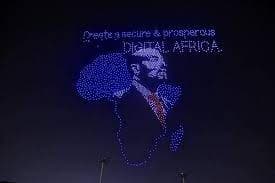
ETEX 2025: Ethiopia's Leap towards African Digital Integration
Ethiopia's transition into the digital era is characterized by an ambition to utilize technology for economic development and social progress. The government acknowledges the transformative capabilities of artificial intelligence, cybersecurity, and financial technology to tackle urgent challenges and generate new prospects. This dedication is evident in numerous initiatives designed to promote innovation and draw investment into these fields to become tech hub in the continent. From May 16–18, 2025, Addis Ababa hosted Ethiopia's Tech Expo 2025 (ETEX 2025), a landmark event billed as East Africa’s largest technology exposition. With a spotlight on artificial intelligence (AI), cybersecurity, and financial technology (fintech), ETEX 2025 drew over 10,000 attendees, including global tech leaders, innovators, and policymakers. This expo showcased Ethiopia’s technological strides and underscored its alignment with two transformative frameworks: Ethiopia’s Digital Ethiopia 2025 Strategy and the African Union’s Agenda 2063. ETEX 2025: A Platform for Regional Collaboration ETEX 2025 was more than a showcase of cutting-edge technology, it was a bold statement of Ethiopia’s ambition to become a regional tech hub. The event highlighted advancements in AI, cybersecurity, and smart city solutions, areas critical to modern economies. Exhibitors demonstrated practical applications, such as AI-driven agricultural tools and fintech platforms tailored to Africa’s unbanked populations. This focus resonated with attendees, inspiring a wave of interest in replicating such innovations continent-wide. Beyond its displays, ETEX 2025 fostered collaboration by inviting neighbouring countries to join a proposed Pan-East African digital corridor. This initiative aims to streamline cross-border data flows and payment systems, leveraging the African Continental Free Trade Area (AfCFTA) framework. By promoting shared technological standards and partnerships, the expo laid the groundwork for a more integrated African digital economy, potentially boosting trade and innovation across borders. Ethiopia’s Visionary Leadership Ethiopia’s government has positioned ETEX 2025 as a cornerstone of its broader digital agenda. The Digital Ethiopia 2025 Strategy outlined an ambitious plan to digitize the nation’s economy, emphasizing digital identification systems, e-governance, and robust cybersecurity measures. Hosting an event of ETEX’s scale signals Ethiopia’s commitment to leading this transformation, not just domestically but across Africa. A key element of this leadership is investment in digital infrastructure. For instance, the development of Public Key Infrastructure (PKI) ensures secure online transactions and data exchanges, a model that other African nations could adopt. By setting such standards, Ethiopia is paving the way for economic integration, making it easier for businesses and governments to collaborate seamlessly. The expo also attracted international attention, with foreign investors and tech firms eyeing partnerships, further amplifying Ethiopia’s influence. Empowering the Next Generation At the heart of Ethiopia’s strategy is its focus on youth empowerment, exemplified by the 5 Million Ethiopian Coder Initiative. Launched to train millions of young Ethiopians in coding and digital skills, this program was prominently featured at ETEX 2025. Live demonstrations showcased students developing apps and solutions tailored to local needs, such as mobile banking tools and health-tech platforms. This initiative does more than prepare Ethiopia for the global digital economy—it creates a skilled workforce that can benefit the entire continent. By sharing knowledge and resources, Ethiopia is setting a precedent for other African nations to invest in their youth, fostering a generation capable of driving technological integration and innovation across borders. ETEX 2025 stands as a pivotal moment for African technological and economic integration. By showcasing advancements in AI, cybersecurity, and fintech, the expo not only elevated Ethiopia’s profile but also inspired a continent-wide push for innovation. Ethiopia’s strategic leadership, through initiatives like the Digital Ethiopia 2025 Strategy and youth-focused programs, positions it as a trailblazer in this space. African nations are too poised to implement a comprehensive digital transformation strategy aimed at fostering a unified and coordinated approach to harness the advantages of the fourth industrial revolution. The African Union has crafted a Digital Transformation Strategy for the continent to accelerate its developmental goals, including initiatives like the African Continental Free Trade Area, African Union Financial Institutions, the Single African Air Transport Market, and the Free Movement of Persons. These efforts are designed to facilitate the creation of a Digital Single Market for Africa, aligning with the integration priorities set by the African Union. Ethiopia's current initiatives can be seen as a vital part of these continental objectives. As Ethiopia builds on ETEX 2025’s momentum, its efforts could ripple across Africa, fostering collaboration, setting standards, and empowering a new generation of tech leaders. While challenges persist, the expo marks a bold step toward a digitally unified and prosperous Africa—one where technology bridges gaps and drives shared growth.
May 29, 2025

Ethiopia and US Relation
#US Relations with #ethiopia one of the most critical areas of focus in Africa
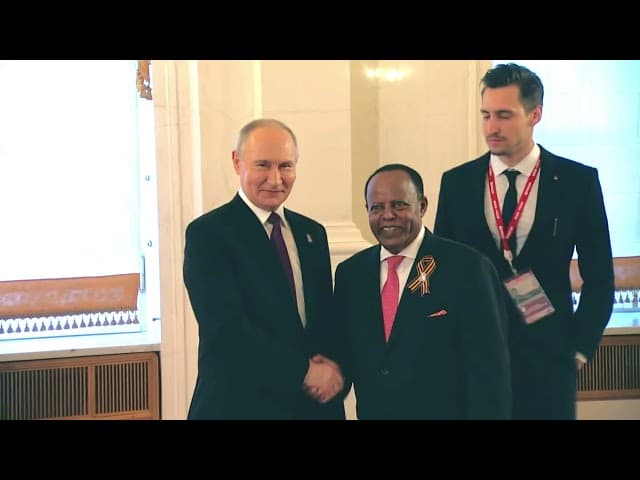
Dinner hosted by President Vladimir Putin
President Taye attended a reception and dinner hosted by President Vladimir Putin
Horn
Geopolitical Dynamics in the Horn
Geopolitcal Dynamics in the Horn
The Horn of Africa is a hotspot of geopolitical dynamics, where regional rivalries, global interests, and internal conflicts intersect. Strategic waterways, military alliances, and shifting power balances make this region critical to both African stability and international security.
Peace in Africa
#African journalists talk about peace
The imporance of peace in Africa
#African journalists talk about the importance of peace (Part two)

African Journalists Talk About Importance of Peace in Continent
African journalists come together to share perspectives on peace, conflict resolution, and the role of media in shaping a more united and stable continent. Their voices highlight the power of storytelling in promoting understanding and driving positive change across Africa.
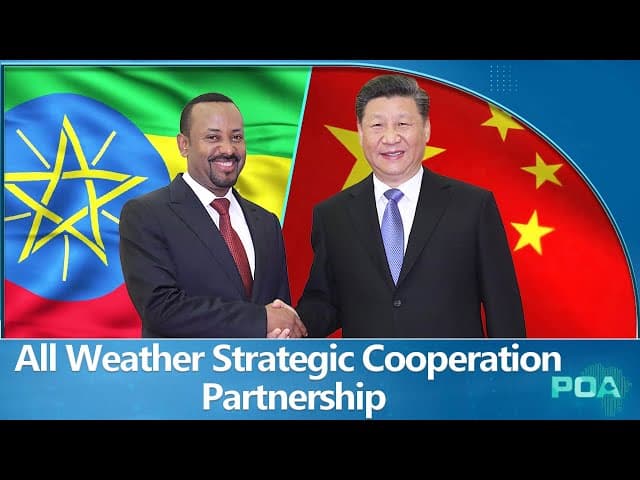
China-Ethiopia Relation
China-Ethiopia All-weather Strategic Partnership
Brief Interview on Adwa
A Brief Interview with Renowned Historian Professor Raymond Jonas
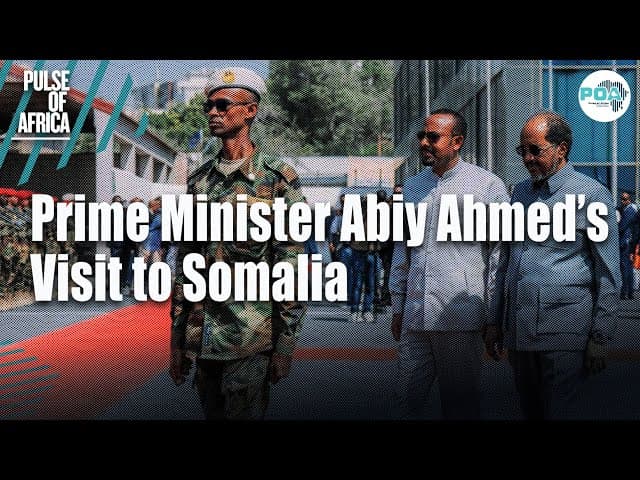
Ethiopia and Somalia relation
Prime Minister Abiy Ahmed’s Visit to Somalia
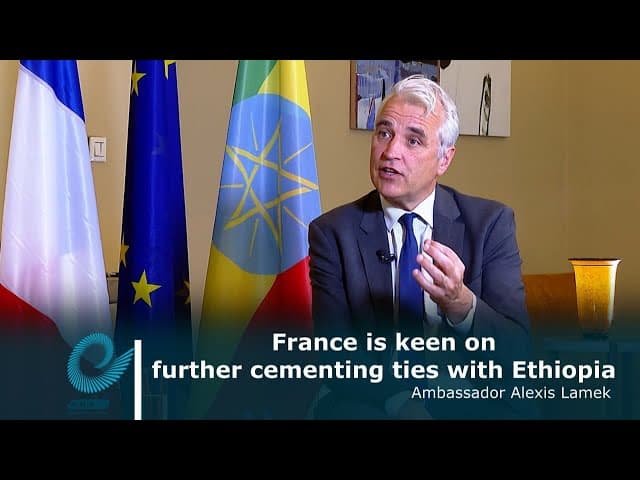
Ethiopia France Bilateral Relation
France is keen on further cementing ties with Ethiopia: Ambassador Alexis Lamek
Ethiopia and Algeria Relation
Algerian ambassador discusses on Ethio-Algerian shared vision for a peaceful Africa
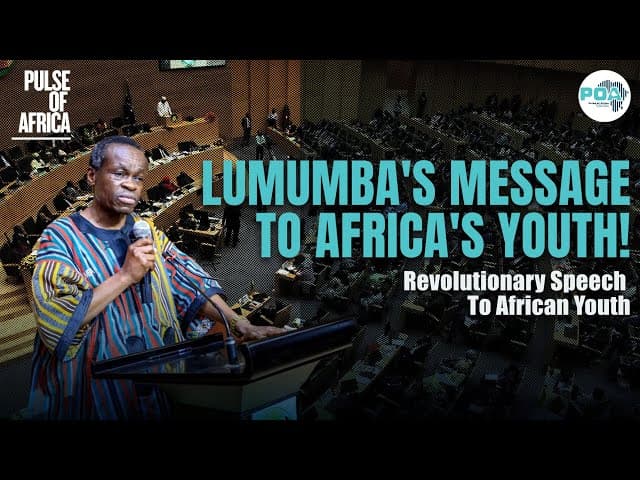
Ethiopia’s Manufacturing Ambition: Building a Base into Africa’s Future Hub—US Analyst
Professor Patrick Lumumba's inspiring speech to young Africans
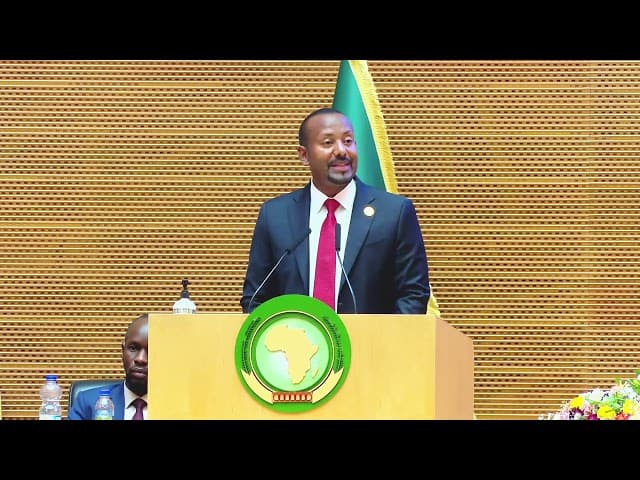
PM Abiy’s Speech at the 38th Ordinary Session Assemble AU
PM Abiy’s Speech at the 38th Ordinary Session of the Assembly of AU in Addis Ababa
Africa's Representation at the UNSC
The Call for Africa's Representation at the UNSC Has Grown Louder
African Youth
Dreams of African Youth
March 20, 2025
African countries face persistent challenges in accessing affordable capital to finance their development priorities mainly due to the unfavorable credit ratings that often do not reflect the true macroeconomic fundamentals in the continent, Director, Macroeconomics, Finance and Governance Division, #ECA Zuzana Brixiova Schwidrowski remarked. The Director made the remark at the opening of Africa Credit Rating Conference 2025 which is underway in Cape Town, South Africa under the theme “Unlocking Domestic Financing through Improving Credit Ratings.” In her speech, the director indicated that “Today, only two African countries hold investment-grade ratings. This statistic alone underscores the severity of the sovereign debt and financing challenges we face. But it also points to an opportunity to make an urgent call for collective action to rewrite the narrative.” There is a widespread and growing concern among policymakers, economists, and development partners that the methodologies employed by major global credit rating agencies may not adequately consider Africa’s unique development contexts, the director said. These include issues of data quality, structural biases, limited country coverage, and lagged assessments, which in turn lead to elevated risk premiums, discourage long-term investments, and shrink the fiscal space for critical public investment. “As such, improving sovereign and sub-sovereign credit ratings is not just about better access to capital markets; it is about building confidence, promoting fiscal responsibility, and unlocking the vast potential of domestic resource mobilization, which remains underleveraged across the continent.” In response to these challenges, a growing coalition of institutions and stakeholders including regional bodies, central banks, finance ministries, and think tanks are working to promote reform on multiple fronts, she noted. This includes strengthening domestic economic fundamentals through prudent fiscal management, enhanced debt transparency, and strategic revenue mobilization, including widening the tax base and reducing illicit financial flows. She further stressed the need to develop domestic credit rating capabilities that are regionally embedded and contextually attuned to African economies in order to challenge existing narratives, bringing balance and equity to sovereign credit assessments. She mentioned the efforts being carried at the Economic Commission for Africa (ECA), “At ECA, we view credit ratings not just as a technical assessment of repayment risk, but as a development enabler.” Boosting sovereign credit ratings is not merely a technical objective, she said, stating that it is a strategic lever for enhancing Africa’s overall creditworthiness and investment appeal. “Stronger ratings serve as a signal of economic stability, sound governance, and fiscal responsibility, which are precisely the qualities sought by both international and domestic private investors.” “Africa’s development should not be held hostage by narrow perceptions of risk. Our continent has demonstrated resilience, innovation, and reform ambition. The world needs a credit rating system that recognizes this progress and supports our member states in financing the African Union’s Agenda 2063 and the Sustainable Development Goals,” the director underscored.
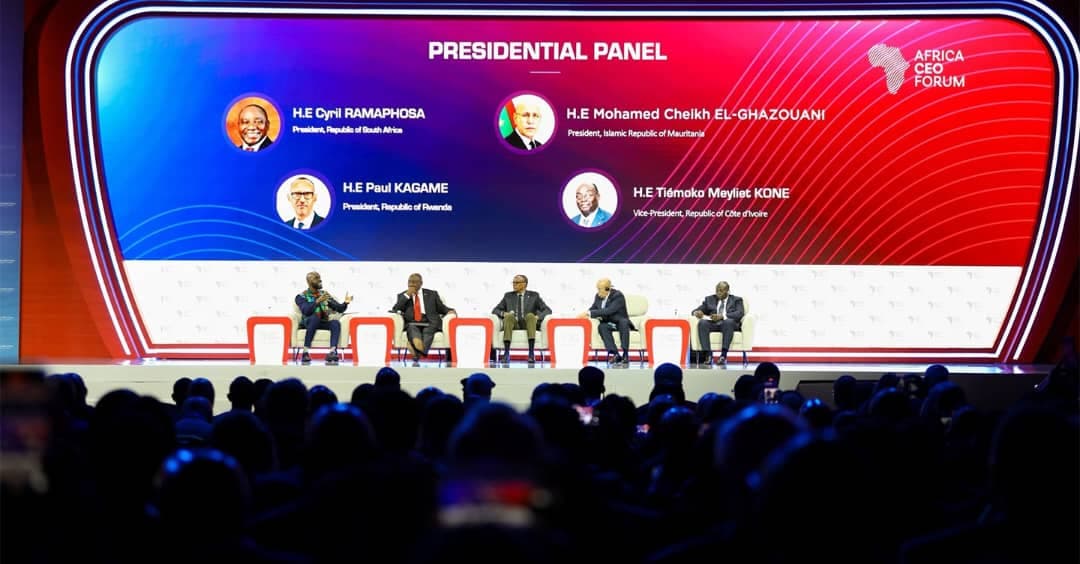

About
About Us
Privacy Policy
Cookie Policy
PoA Programs
Program Name
Program Name
Program Name
Program Name
Copyright 2025 PoA. All rights reserved.