
March 20, 2025
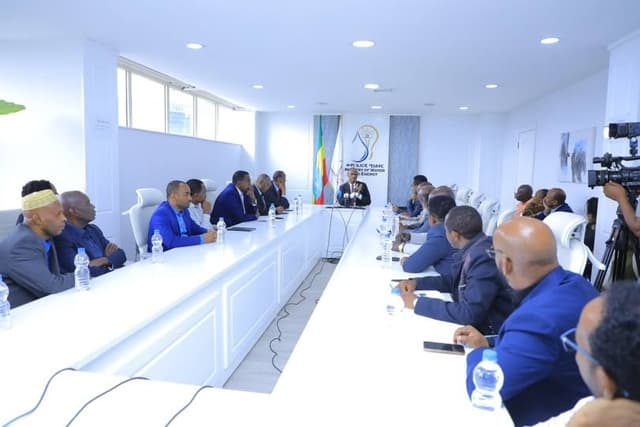
Ethiopia Shares Best Experiences on Modernizing Data for #IGAD Member States
Ethiopia has shared its modernizing data and on how to organize institutions to IGAD member countries, Minister of Water and Energy Habtamu Itefa revealed. Briefing water ministers of IGAD member countries and senior experts about Ethiopia’s best experiences in modernizing data and on how to organize institutions today, Habtamu stated that Ethiopia has done significant work on how data is modernizing in hydrology, and methodology among others. The other experience you can have from Ethiopia is how we are organizing institutions, he said, adding we have high-level institutional staffs and most of them have research capacities as well. So, he added when we talk about data, it is about scientific data, which will serve as an input for any decision for IGAD. During the occasion, the minister also stressed the need to share similar crucial experiences among member countries which will help us on how we can share data for the betterment of the region. IGAD Climate Prediction and Applications Centre (ICPAC) Officer in Charge Abdi Fidar said for his part that data sharing is very crucial and he praised Ethiopia for sharing its best experiences. “We need to get the data from our member states. If you get the right data, you will be able to predict what is happening.” Stating that #ICPAC monthly updates the weather forecast, he said, but it is meaningless if the forecast is not accessed by IGAD member states. Recall that the IGAD Climate Prediction and Applications Centre (ICPAC), in collaboration with partners, organized the 70th Greater Horn of Africa Climate Outlook Forum (GHACOF 70) from 19th to 20th of May 2025 in Addis Ababa. The forum, an annual gathering organized three times a year by the IGAD Climate Prediction and Applications Centre (ICPAC), brings together climate scientists, meteorologists, sector experts, and policymakers from across the region and beyond.
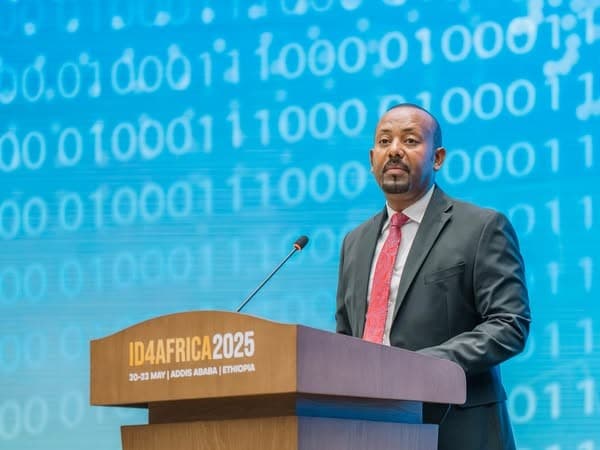
Conference Addressing Africa's #ID4D Priorities Underway in Addis Ababa
The ID4Africa Annual General Meeting (AGM), a premier conference and expo focused on addressing Africa’s ID4D (Identification for Development) priorities across the continent, opened in the presence of Ethiopia's Prime Minister @Abiy Ahmed Ali this morning. The ID4Africa Annual General Meeting will be held for May 20-23, 2025. The ID4Africa Annual General Meeting is a pan-African movement committed to supporting African nations in building robust and responsible identity ecosystems that drive socio-economic development, digital transformation, and humanitarian efforts. As the largest and most influential gathering of its kind, the AGM has brought together a diverse network of key stakeholders, primarily African government officials, development agencies, industry innovators, civil society, among others. Opening of the annual ID4Africa, Prime Minister Abiy Ahmed emphasized Ethiopia’s transition from a fragmented ID system to Fayda — a secure, inclusive digital ID initiative launched under the Digital Ethiopia 2025 strategy. With over 15 million people already enrolled and a target of 90 million, Fayda is connecting all citizens — particularly women, youth, and displaced communities — to essential services.Integrated across key sectors such as finance, health, and education, Fayda is already enabling 9.6 trillion Birr in digital transactions, according to the Office of the Prime Minister.
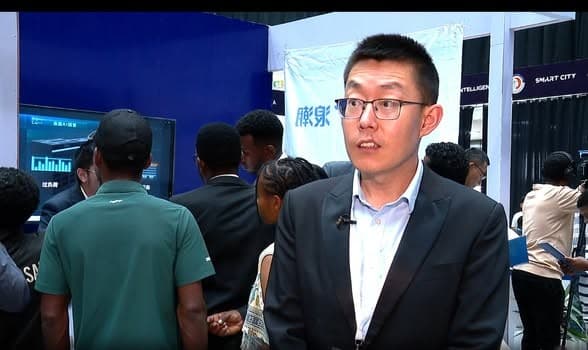
Foreign Technology Companies Witness Ethiopia’s Potential in Digital Sector
Foreign technology companies have witnessed the immense potential of Ethiopia for digital transformation and expressed interest to invest in the sector. Cloud computing and big data services provider company, Inspur Group, Regional Marketing Director, Luis Liu told ENA his company has been in Ethiopia for many years providing several services to the country. For instance, providing Ethio telecom with SIM card management system; working with Ministry of Education in providing with student information management system as well as providing data center solution for AU buildings are among the digital solutions the company has been implementing in the country, he added. Liu pointed out that the market of technology in Ethiopia is growing very fast and recently, the government of Ethiopia is also focusing a lot on this sector. Hence, it is a very good opportunity for his company to be in Ethiopia to develop its business thereby helping the country to develop its own technology as well as providing trainings and work opportunities, he stated. “Market of technology in Ethiopia is growing very fast; and recently, the government of Ethiopia is also focusing on this sector. So, it is a very good opportunity for our company to be here to develop our business while helping the country to develop its own technology. We are also contributing to the trainings and providing work opportunities to this country,” he explained. Elaborating as one of the biggest provider of technology solutions, the company will use its rich experiences to become a preferred technology provider in the country, contributing for the development process of Ethiopia. “I think we could use our rich experiences and bring solutions here in Ethiopia to make contribution to education, hospital digitalization services, smart cities and public facilities,” he noted. NUCTECH Company Country Manager, Sophie Zhao, on her part emphasized the potential and achievements of Ethiopia in the digital sector. The country manager stated that Ethiopia is going through a digital transformation with impressive achievements, expressing her confidence on Ethiopia to be one of the top players in the digital world. “Ethiopia is a land of very promising future. It has achieved encouraging achievements in the digital sector. We have witnessed remarkable achievements that the nation has developed various technologies by itself and it is impressive,” Zhao stated. She pointed out that her company has global experience and would help Ethiopia to fully utilize opportunities and digitalize the country. “We have the solution for smart airport, smart border control, smart logistics, smart harbor, etc. So we are here to putting our smart solutions to Ethiopia and support the country’s ambitious goal of digitalization,” she underscored. Expressing her company’s commitment to collaborate with Ethiopia for future development in modernization and digitization, she revealed her company’s plan to have transit center in Ethiopia to transit equipment and spare parts to the surrounding countries. “…We are going to have transit center in Ethiopia to transit our spare parts and equipment to surrounding countries. I know you have industry zone around Addis Ababa and some other places. So we are going to first set up transit center that is about our future plan,” she added. On his part, Mitsumi Distribution Country Manager, Alpesh Patel said that as Ethiopia is a big country in both land and population wise, it has huge potential and opportunities for digital transformation. Moreover, there is high demand from the population and institutions such as government offices, banks and students are very much eager to adopt new technology, he added; indicating that his company’s plan to do investment in Ethiopia for future. “Our head office is in Kenya, we are planning and pushing to do the same business here in Ethiopia for future,” he noted.

Guangzhou Automobile Group Enters #Ethiopian Electric Vehicle Market
Leading Chinese automotive manufacturer, Guangzhou Automobile Group (GAC), has entered the Ethiopian electric vehicle (EV) market and marking a crucial step in the country's transition towards sustainable transportation. The company has launched a range of electric vehicles in Addis Ababa and has partnered with another Chinese company, Huajian, to provide sales and after-sales services nationwide. Speaking at the launching ceremony, Commissioner of Ethiopian Investment Commission, Zeleke Temesgen said that since the last seven years Ethiopia has done lots of amendments of investment policies to attract foreign investors especially manufacturers. "Over the past six to seven years, the Ethiopia government has taken very bold measures, particularly to open up the economy and more particularly also to attract foreign investment into Ethiopia" he emphasized, Adding, "We can mention some tangible actions which actually shows the level of commitment as well as how serious the Ethiopian government is to attract foreign investment to Ethiopia". According to the commissioner, as part of these economic reforms, Ethiopia has amended its investment laws to attract a greater influx of foreign investors, broadening the scope of engagement through these legal changes. Bareo Hassen, State Minister of Logistics and Transport, on his part announced a significant partnership where the world's second-largest EV manufacturer will support the nation's green mobility implementation through knowledge and technology transfer. The state minister also emphasized the importance of this collaboration, stating, "The company's entry into Ethiopia will greatly aid the green mobility execution". As the world's second-largest electric vehicle maker with a significant global presence, GAC Groups' goals align perfectly with Ethiopia's green mobility vision, Bareo emphasized, noting that Ethiopia aims not only to import electric vehicles but also to establish local production for export and the company will contribute substantially to the transfer of vital knowledge and technology. Wei Haigang, President of GAC International, on his part affirmed Ethiopia's favorable investment potential. "Ethiopia stands out as one of our key strategic markets in Africa, particularly in East Africa. The Ethiopian government's strong emphasis on electric vehicles and green mobility is a significant factor in our decision to enter this market," he underscored. Huajian Chairman Zhang Huarong also elaborated the compelling electricity-to-fuel cost ratio in Ethiopia, which reinforces GAC's confidence in the New Energy Vehicle market. The chairman further outlined the company's ambitious goal to achieve a 30 percent market share for GAC AION in Ethiopia by 2030, with the aim of establishing intelligent EVs as the hallmark of green urban mobility. The company's objectives include developing high-quality, sustainable transportation solutions and invigorating Ethiopia's expanding EV market by supplying models such as the ES9 PHEV, E8, and AION Y to Ethiopian consumers.
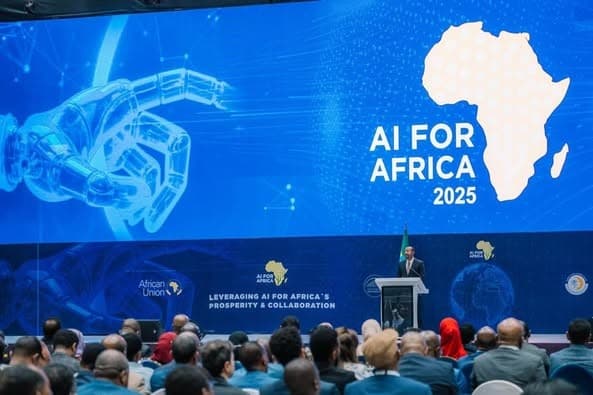
Industry 5.0 goes beyond technological evolution—it’s about human collaboration, sustainability, and ethical progress.
Rooted in unity, purpose and inclusion, this vision sees #AI and technology serving the collective good while respecting culture. Africa is not here to catch up—we are here to lead through inclusive, value-driven models that empower communities and leave no one behind,"Prime Minister @Abiy Ahmed Ali".
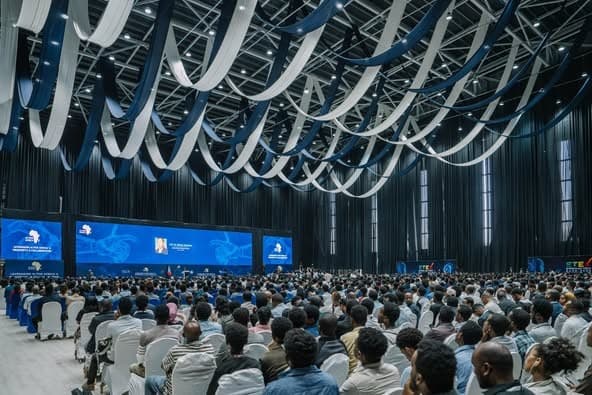
Ethiopia Making Strides in AI Aligned with #Agenda2063, Says AUC Deputy Chairperson
Ethiopia has been advancing Agenda 2063 Goals with Indigenous Artificial Intelligence (AI), according to the African Union Commission (#AUC) Deputy Chairperson, Selma Malika Hadadi. The Deputy Chairperson noted Ethiopia’s significant strides in alignment with the African Union’s Agenda 2063 through the development and implementation of indigenous AI. Prime Minister Abiy Ahmed inaugurated the largest international technology expo in East Africa themed “Leveraging AI for Africa’s Prosperity & Collaboration” The Deputy Chairperson hailed the Ethiopia International Technology Expo as a “crucial and timely event” that underscores the country’s leadership in advancing sustainable development, emphasizing Ethiopia’s pivotal role in creating an inclusive and sustainable AI ecosystem across the continent. She noted that AI is emerging as a transformative force in geopolitical and economic landscapes. “It is now not only a tool for national security but also a cornerstone of economic sovereignty and regional security,” she said. She also pointed out the market capitalization of major technology companies, including Microsoft and Apple, has now reached levels comparable to the GDP of Africa in 2023. “AI technologies are central to national economies and security, the projection of power and safeguarding of national interest at global stage and the massive expansion of the capability and use of Artificial intelligence reinforces the power and wealth of non-state actors and big tech companies,” the Deputy Chairperson underscored. She added, “For instance, in January 2025 upon Apple’s market capitalization was 3.5 trillion USD, Nvidia’s was 3.2 trillion USD and Microsoft was 3.1 trillion USD each of which is comparable of the total GDP of the 2023 entire Africa continent of 3.1 trillion”. The African Union approved the African Union Continental Artificial Intelligence Strategy in 2024, stating the importance of building a robust AI ecosystem to ensure inclusive and sustainable development across Africa, she explained. In this context, she noted that Ethiopia is actively advancing AI to support the African Union’s AI Strategy and the objectives of Agenda 2063. “The development of African AI Policy and an action plan to accelerate the implementation of the continental strategy will address the sectorial ethical and regulatory challenges associated with AI that may affect our continent and will create conditions for emergence of locally developed AI solutions that are adapted to our needs and geographical context as well as our rich cultural and linguistic diversity,” she noted. Director General of the Ethiopian Artificial Intelligence Institute Worku Gachena on his part emphasized that AI is not merely a luxury but a critical competitive advantage for the future. The director general outlined the significant contributions AI has made across various sectors, including innovation, education, healthcare, agriculture, finance, security, and national interests. He stressed that AI is essential for ensuring inclusive and sustainable development across Africa, and shared Ethiopia’s vision of becoming a leading hub for AI research and training in Africa by 2030. “Our vision is to become the premier African center for AI research for development by 2030, generating home grown solution that improve lives across the continent,” the director general emphasized, adding, “Our mission is calculating by our motto AI for all is fostered data driven AI system that address pressing challenges enhance efficiency boost productivity in every sector from health, agriculture to public service and finance”.
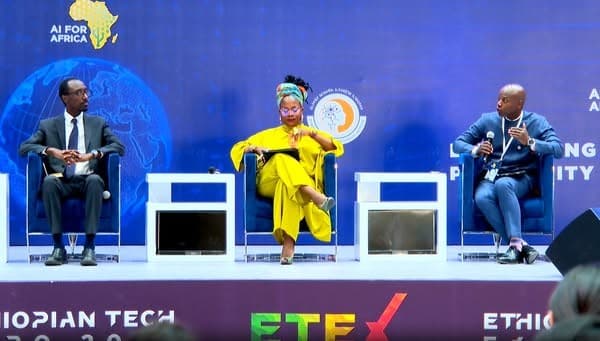
African Nations Collaborations in AI Key to Unlocking its Potential for Dev't : Panelists
Panelists underscored the critical importance of cross-sector collaboration to unlock AI’s full potential for Africa's destiny. A high-level policy dialogue on collaborative strategies for Artificial Intelligence (AI) adoption in Africa took place today as part of the #EthiopianTechExpo2025 in Addis Ababa. The discussion themed “Leveraging AI for Africa’s Prosperity and Collaboration” brought together high-ranking officials and experts to address the continent’s evolving AI landscape and explore collaborative strategies to ensure Africa’s active participation in the AI revolution. At the panel discussion, Ethiopia’s Minister of Foreign Affairs Gedion Timothewos emphasized the importance of African countries to become active participants in AI research, development, and innovation. Noting the importance of realizing how critical AI is, he said “AI is not a fad. It's not a buzzword. It is something that is going to determine our destiny as human beings for the coming future.” Gedion added “It requires a whole government approach. This is the next industrial revolution. It's already unraveling. We can't afford to miss this train. We need to be on board. We need to drive it.” The minister also urged African countries to engage in discussion about AI governance, stressing that platforms like the Tech Expo were crucial for uniting the continent’s efforts and forming a collective stance on AI regulations and policies. He underscored that collaboration between the public and private sectors, as well as across countries, is crucial, emphasizing that it is key to progress. “When we bring together our knowledge, skills, and human resources, and foster synergy among African nations, I believe we can achieve something truly significant. Without collaboration facilitated by platforms like this, we won’t be able to move forward, ” Foreign Minister Gedion pointed out. Commissioner for Infrastructure and Energy at the African Union, Lerato Mataboge outlined the AU’s AI strategy, emphasizing that AI is no longer a futuristic concept but a present-day reality for many African businesses and citizens. “There are many companies and SMEs already leveraging AI across the continent. The starting point is to recognize that our economies are already engaged with AI, and many of our citizens are actively participating in the AI revolution,” Mataboge stated. Mataboge also acknowledged significant challenges in AI adoption, including the continent’s digital infrastructure deficit and the ongoing AI skills gap. She further stressed “To truly leapfrog into the AI-driven era, we must invest in our digital infrastructure and ensure that African citizens have the skills to engage with AI technologies.” Moreover, she pointed out that retaining skilled professionals is a major hurdle, with many African nations facing substantial brain drain. “We must create strategic pathways for retaining talent, fostering skills development, and localizing AI technologies to reflect African realities,” Mataboge added. Executive Director of the Institute for Security Studies (ISS), Fonteh Akum stressed the interconnectedness of AI and infrastructure. He mentioned that it is extremely difficult to discuss frameworks in isolation without considering how AI links and bridges both old and new infrastructures. “We need power grids; we need broadband, the funding that drives that, despite the fact that Africa has the human capital to drive it already, ” the executive director noted. Akum called for a comprehensive approach to building both physical and digital infrastructures to support the AI ecosystem across Africa. He also highlighted the need for a governance framework that prioritizes ethical AI use, human control over technology, and data sovereignty. He called on African countries to ensure AI doesn’t exacerbate existing inequalities but rather becomes a tool to bridge gaps in development, particularly in agriculture, healthcare, and governance.


Addis International Convention Center
Addis Int’l Convention Center: New Impetus to Ethiopia’s Emerging MICE Industry
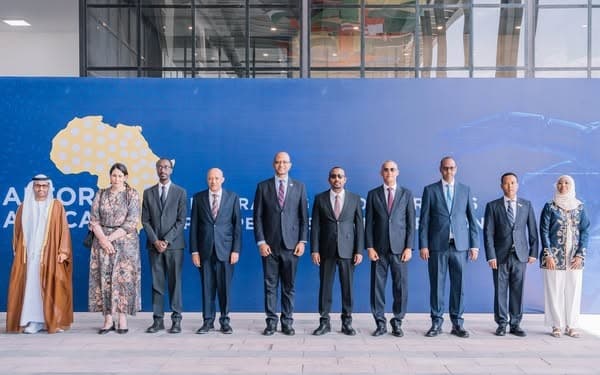
PM Abiy Stresses #Africa Must Shape AI on Its Own Terms to Ensure No One is Left Behind
Prime Minister Abiy Ahmed emphasized that Africa is entering a new era where homegrown Artificial Intelligence can drive inclusive prosperity and help realize the goals of #Agenda2063. The premier remarked this in today’s ‘AI for Africa’ program under the theme “Leveraging AI for Africa’s Prosperity & Collaboration” organized as part of the Ethiopian Tech Expo 2025. He noted that Ethiopia is leading by example—investing in AI, digital infrastructure, and skills development to build a future-ready society. Through initiatives such as the Ethiopian AI Institute, Digital ID, and the “5 Million Coders” program, the country is translating vision into tangible impact, the premier stated. Looking ahead to 2030, he stressed that Africa must shape AI on its own terms—ethically, inclusively, and sustainably—to ensure no one is left behind.

ECA, Japan Launch First-ever Joint Project to Boost Intra-African Trade through Digitalization
The United Nations Economic Commission for Africa (ECA) and the Government of Japan have officially launched their first joint initiative to support Africa’s economic integration process through support to the implementation of the African Continental Free Trade Area (AfCFTA). The project, supported through a 1 million USD grant from the Supplementary Budget for JFY 2025, was formally launched at a meeting held at ECA in Addis Ababa. This collaboration marks the first opportunity that Japan has provided direct financial support to ECA’s work championing African integration, thereby underscoring a shared commitment to digital innovation, inclusive trade, and regional value chain development on the African continent. The project, titled “Boosting Intra-African Trade through Leveraging Digitalization for Effective and Inclusive AfCFTA Implementation,” will be implemented over 12 months and aims to support AfCFTA State Parties in supporting their efforts to implement the AfCFTA. It also aims at enhancing accessibility of relevant trade information, strengthening digital ecosystems, and empowering women-led MSMEs in AU countries, in particular Namibia, Sierra Leone, Cameroon and Tanzania.

P4G Summit.
Ethiopia to Host Fifth P4G Summit in 2027
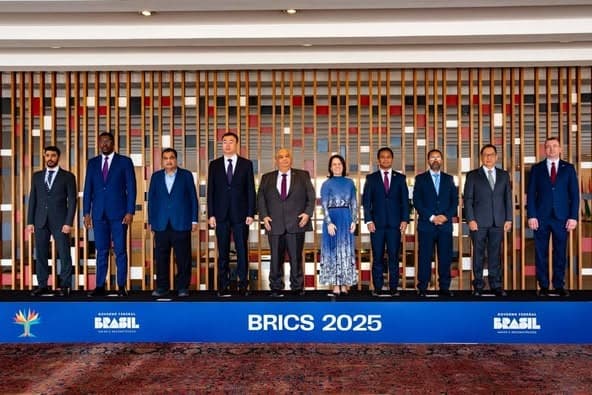
Ethiopia Outlines Its Goal to Become Africa’s Aviation Hub
Ethiopia’s Ambassador to Brazil Leulseged Tadese highlighted his country’s goal to become #Africa’s aviation hub, linking the continent to the world while promoting growth, integration, and sustainability. Ethiopia took part in the BRICS Transport Ministerial Meeting held in Brasilia, where it showcased major infrastructure initiatives, such as airport expansions, the development of a new mega airport, and the establishment of dry ports, all designed to modernize its transportation sector. On the occasion, Ambassador Leulseged highlighted Ethiopia’s goal to become Africa’s aviation hub, linking the continent to the world while promoting growth, integration, and sustainability. He urged BRICS nations to enhance cooperation on green transport, according to Ministry of Foreign Affairs. BRICS Transport Ministers issued a Joint Declaration supporting transport as a driver of growth and sustainability.

Israel FM Gideon Sa’ar Visits National Palace
Israel FM Gideon Sa’ar has visited the renovated Ethiopia’s National Palace

Africa’s Aviation Future Depends on How Well it Embraces Innovation: PM Ngirente
Africa’s aviation future depends on how well it embraces innovation, not only in technology but also in financing, regulation and cross-border Corporation, Rwanda’s Prime Minister Edouard Ngirente emphasized. The Prime Minister made the remark at the opening of 13th Aviation Stakeholders Convention and 2nd African Aviation Safety & Operations Summit in Kigali, Rwanda. The three-day event, held under the theme "Sustainability, Collaborate, Innovate and Strengthening Safety Culture in Africa," is organized by the government of Rwanda in partnership with the African Airlines Association (AFRAA). Reacting on the convention theme, Prime Minister Ngirente argued that while the continent’s aviation industry is on a recovery path from the COVID-19 pandemic toll, among other challenges, it reflects the path Africa must take, not only in its aviation sector but also in it’s broader economic and development aspirations. Secretary General of AFRAA Abderahmane Berthe said "Alongside the challenges of regulatory policies, airlines must improve cooperation through interline agreements, code sharing and partnerships, while also lowering their operating costs to make air travel more affordable for a greater number of Africans." Berthe said that only 10 percent of African citizens can currently afford air transport, highlighting the significant potential for growth. Delegates attending the summit have called for reforms, regional collaboration and the adoption of innovative technologies to unlock Africa's aviation potential and strengthen safety across the continent. The event brought together over 400 aviation stakeholders from Africa, Europe, the Middle East, Asia and North America. Meanwhile, according to a statement from the International Air Transport Association (IATA) released in December last year, the global airline industry is expected to see a slight increase in profitability in 2025, despite ongoing cost and supply chain challenges. Net profits are projected to reach 36.6 billion USD in 2025, with a 3.6 percent net profit margin-up from an expected 31.5 billion USD net profit and 3.3 percent margin in 2024, IATA reported.

African Innovators Urged to Create Homegrown AI Solutions Rather than Depend on Imported Technologies
Managing Director at Microsoft Africa Development Centre, Catherine Muraga, encouraged local innovators in Africa to create homegrown AI solutions rather than depend on imported technologies including developing AI in languages like #Kiswahili, #Amharic, and #Luganda. She shared these insights during her keynote address at the Africa Artificial Intelligence (AI) Summit in Uganda, Uganda Times reported. AI can power Africa’s growth by tapping into its youthful, tech-savvy population and emerging digital ecosystem, according to the Managing Director. She explained that Africa’s young population positions it well to take advantage of the AI revolution. By 2030, the continent will host a large share of the global workforce. Many of these individuals are digital natives—young people who grew up with technology. If given the right skills, they can build and manage AI systems for Africa’s needs. Muraga noted that both businesses and governments across the continent are using AI to solve persistent challenges and increase productivity. She emphasized that this demographic advantage makes Africa uniquely suited for AI-driven development. Real-world examples support this vision. In Rwanda, Microsoft Research Lab Africa uses AI models to predict floods in real time. This helps communities prepare and reduce damage. In Kenya, AI-driven climate tools guide farmers on when to plant or harvest, helping them cope with extreme weather. Muraga highlighted other applications where AI can power Africa’s growth. In Ghana, AI supports remote medical diagnostics. Predictive pricing tools are linking farmers to markets more efficiently. These solutions rely heavily on good local data. She stressed the importance of including regional accents, local images, and diverse languages to ensure accuracy and inclusivity. She encouraged local innovators to create homegrown AI solutions rather than depend on imported technologies. This includes developing AI in languages like Kiswahili, Amharic, and Luganda. Localization ensures relevance and boosts adoption across different communities. Muraga also addressed fears about AI replacing jobs. She urged leaders to focus on AI as a tool for augmentation, not replacement. When presented as a productivity booster or “co-pilot,” employees are more likely to embrace AI. It enhances human work rather than displacing it. She shared Microsoft’s approach to AI adoption. Rather than launching big projects all at once, the company begins with planning, then runs small pilots. Teams learn from what works, adjust when needed, and scale successful initiatives. This step-by-step method allows sustainable integration.
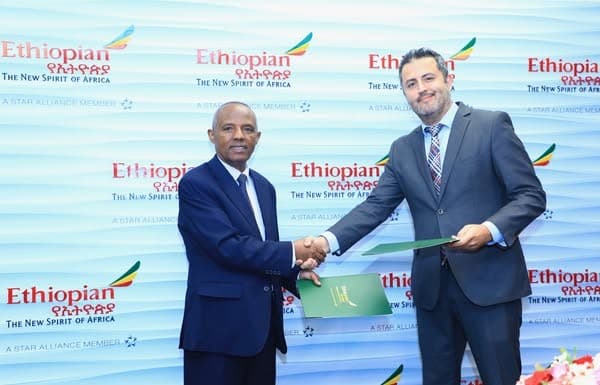
Ethiopian Airlines Partners Panasonic Avionics to Equip Boeing 777X Fleet with New In-Flight Entertainment
Panasonic Avionics Corporation (Panasonic Avionics), the world’s leading supplier of in-flight Entertainment and Connectivity (IFEC) solutions, has signed an agreement with Ethiopian Airlines to install its Astrova in-flight entertainment (IFE) solution on the carrier’s new Boeing 777X fleet. Astrova will be line fit on the eight Boeing 777-9 aircraft that the flag carrier of Ethiopia has on order, with the first scheduled to enter service in 2028. This deal shows Panasonic Avionics’ Astrova commitment in Africa and highlights Ethiopian Airlines’ long-term vision of providing a cutting-edge experience to its passengers. Astrova will transform Ethiopian Airlines’ in-flight experience by offering passengers a fully immersive experience. This includes industry-leading 4K OLED HDR10+ screens delivering unparalleled high-definition cinema quality visuals and premium quality audio powered by Panasonic Avionics’ latest Bluetooth®* technology. Each Ethiopian Airlines passenger will have access to up to 100W of USB-C direct current power at their seat, enabling fast charging in all phases of flight to fast charge mobile phones, tablets, compatible laptops, and other personal electronic devices. Panasonic Avionics' newest IFE seat-end solution also includes programmable LED lighting, designed to improve the passenger experience while enabling the airline to fine-tune the cabin environment for optimal comfort and ambiance, according to a press release issued by the airlines. On the occasion, Group Chief Executive Officer of Ethiopian Airlines, Mesfin Tasew, stated “Our new 777 fleet marks a significant leap in passenger experience, with innovative and engaging in-flight entertainment playing a key role. Astrova was the natural choice for Ethiopian Airlines, and we are confident it will redefine our inflight offering for years to come.” Hernan Abbes, Vice President of Global Sales at Panasonic Avionics, said: “We are excited to be supporting Ethiopian Airlines’ growth and vision, and are proud that our Astrova system will be an integral part of their new flagship fleet. Astrova is designed to provide an immersive and unparalleled inflight experience for passengers, and we believe it will help them deliver the highest standards of passenger service.”

Drone Show in Addis Ababa
The first-ever drone show over the skies of Addis Ababa.
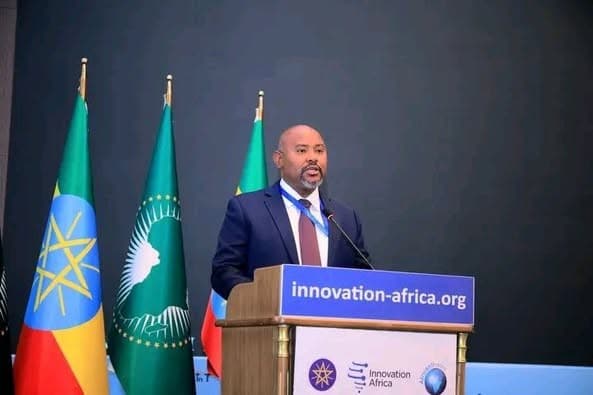
Unlocking #Africa’s Student Potential through STEM Education Fundamental
Speaking at the #InnovationAfrica2025 conference in Addis Ababa, Ethiopia’s Minister of Innovation and Technology Belete Mola stressed that the future employment prospects of young Africans depend on the continent's ability to develop the necessary skills to compete in an increasingly globalized and competitive market. “We must recognize the critical role of access and inclusive policies in building a vibrant digital and knowledge-based economy,” the minister added. Ensuring inclusivity, the minister noted, is key to unlocking the full potential of diverse populations and nurturing an innovation-driven ecosystem. He stressed that unlocking Africa’s student potential through STEM education and access to higher learning institutions is fundamental. “To that end, we must invest in learning systems that not only drive academic achievement but also cultivate critical thinking, problem-solving, and innovation,” Belete stated. According to the minister Ethiopia is rapidly positioning itself as a hub for startups and technological innovation, driven by coordinated efforts from both the public and private sectors. “Ethiopia is quickly emerging as a startup and technological innovation center, fueled by coordinated efforts from both the public and private sectors,” he noted. Belete highlighted his ministry’s commitment to creating an enabling environment for entrepreneurship by fostering strong partnerships between industry and academia and formulating policies that support startup growth.
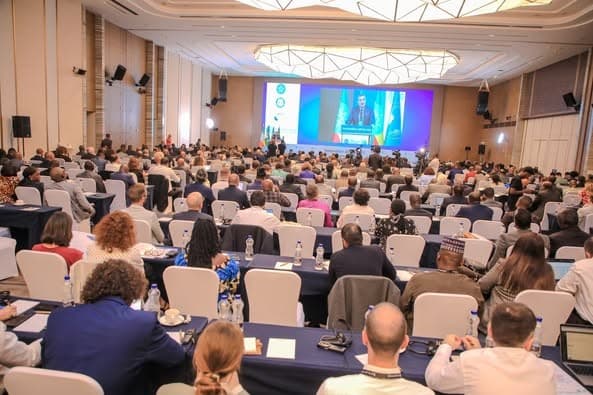
Innovation Africa 2025 Ministerial Summit for Education, ICT Kicks Off in Addis Ababa
Innovation Africa 2025 of African ministerial summit for education, ICT and Skills kicked off today in Addis Ababa in the presence of Deputy Prime Minister, Temesgen Tiruneh and other officials. A three-day summit, themed "Educate and Skill Africa for the 21st Century" has convened delegations including ministers and professionals from across the continent. The summit is a pivotal gathering dedicated to transforming education across the African continent through reform, capacity building and strategic integration of technology. It is expected to reflect a shared dedication to collaboration, innovation and the drive to create sustainable solution that could empower educators, uplift communities and unlock the potential of every learner. Moreover, the summit is anticipated to build stronger partnerships, share informative ideas and produce tangible outcomes that will shape the future of education in Africa where African child has access to quality education powered by innovation. The summit is organized by the Government of Ethiopia in collaboration with African Brains.

#ID4Africa 2025 Annual General Meeting
The highlights of #ID4Africa 2025 Annual General Meeting in Addis Ababa, #Ethiopia.
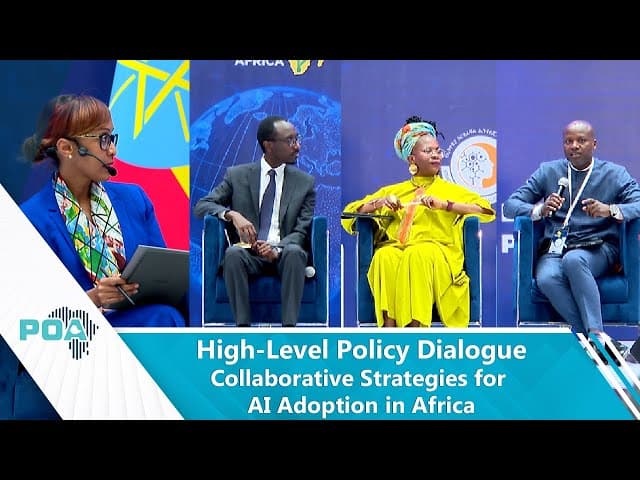
AI Adoption in Africa
High Level Policy Dialogue — Collaborative Strategies for AI Adoption in Africa
ID4Africa Annual General Meeting (AGM)
The most Pressing Topics Raised by Keynote Speakers During ID4Africa Annual General Meeting (AGM)
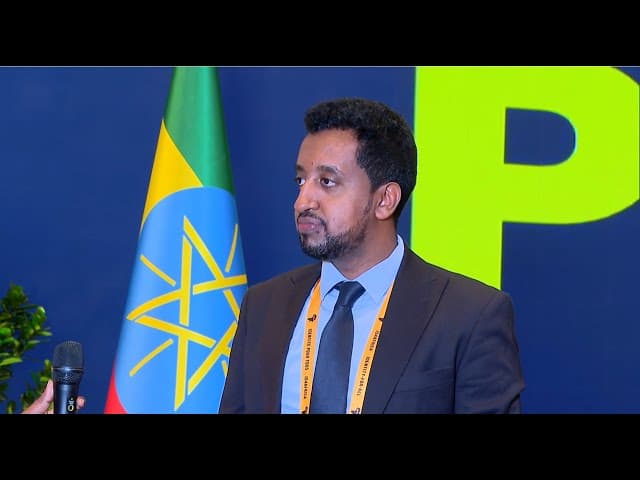
Important of ID4Africa general meeting for Ethiopia
POA Exclusive—with Abenezer Feleke, Strategic Communications Advisor

Prime Minister Abiy Ahmed Speech at ID4Africa
Prime Minister Abiy Ahmed’s Keynote Address During ID4Africa AGM
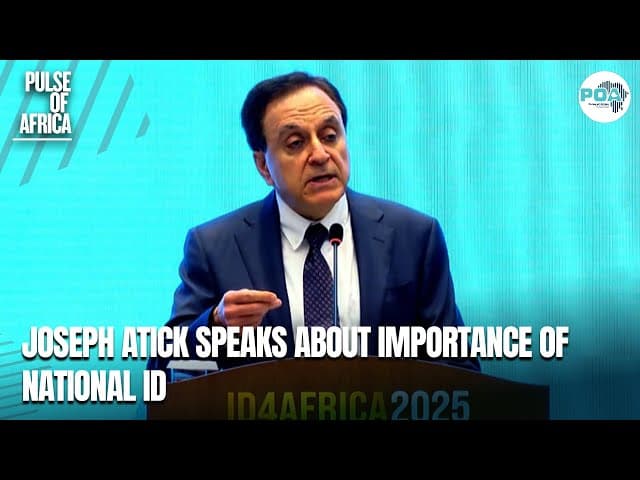
Importance of National ID
Executive Chairman of ID4Africa, Joseph Atick Speaks About Importance of National ID

About
About Us
Privacy Policy
Cookie Policy
PoA Programs
Program Name
Program Name
Program Name
Program Name
Copyright 2025 PoA. All rights reserved.