
March 20, 2025
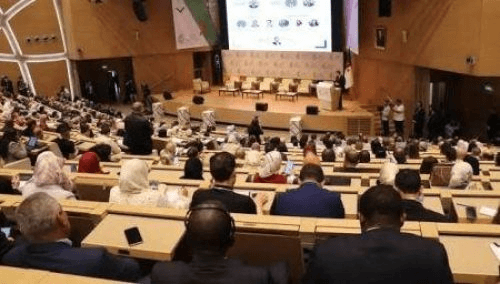
IsDB Approves $665 Million for Development Projects in Seven African Nations
The Islamic Development Bank (IsDB) has approved $665.75 million in new financing for seven African member states, part of a broader $1.32 billion development package endorsed during its board meeting on May 19, 2025, in Algeria. The funding will support critical sectors including healthcare, transport, food security, water access, and vocational training, with a strong focus on inclusive growth, youth employment, women’s empowerment, and climate resilience. Cameroon will receive the largest share—$239 million—for rehabilitating the key Douala–Bafoussam road corridor. Burkina Faso has been allocated $211.45 million to upgrade road and rail links for improved regional connectivity. Other beneficiaries include: • Djibouti: $26.1 million to establish a national oncology center in partnership with Morocco • Togo: $2 million for eye care and $26 million for water infrastructure in the Kara region • Mauritania: $40.9 million to modernize vocational training systems • Côte d’Ivoire: $117.3 million for rice value chain development • Gambia: $3 million to support its peanut industry IsDB President Muhammad Sulaiman Al Jasser said the funding is designed to deliver "transformative, high-impact outcomes" aligned with sustainable development goals. Since 1975, the bank has disbursed over $65 billion to African nations.
May, 2025
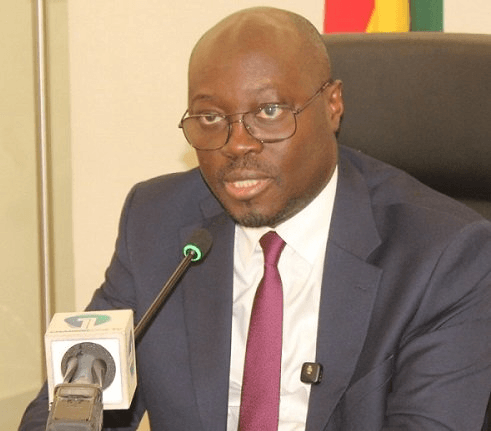
Ghana’s Cedi Tops Global Currency Charts – Finance Minister
Accra, May 19, 2025 — Ghana’s cedi has emerged as the world’s best-performing currency in 2025, appreciating 16.7% against the US dollar, according to Finance Minister Dr. Cassiel Ato Forson. This marks a major turnaround from a 13.4% depreciation during the same period in 2024. Speaking at the inauguration of the GoldBod governing board in Accra, Dr. Forson attributed the rally to coordinated monetary and fiscal policies, including strict liquidity control by the Bank of Ghana and disciplined public finance management. He added that improved foreign exchange inflows from gold, cocoa, and remittances—combined with a weakening US dollar—have helped strengthen the cedi. Despite the appreciation, Ghana’s foreign reserves hit a record high in April, surpassing IMF programme targets ahead of schedule. Dr. Forson said the newly launched GoldBod would further support currency stability by restructuring the management of Ghana’s gold resources. Though Ghana is Africa’s top gold producer, the country has historically gained minimal benefits from its mineral wealth. “GoldBod is a strategic tool to stabilise the cedi and increase our foreign exchange buffers,” Forson noted. The initiative is part of broader efforts to anchor macroeconomic stability and support sustainable growth.
May, 2025

Africa Launches First Continental Space Agency to Tackle Climate Challenges
Africa has officially launched its first continental space agency under the African Union, aiming to boost access to climate and environmental data critical for the region’s resilience. The African Space Agency, headquartered in Cairo, began operations last month and is currently assembling its core technical and administrative teams. The agency will focus on Earth observation, satellite deployment, and improved data-sharing infrastructure. These efforts are crucial as global access to climate and weather data becomes increasingly restricted. By coordinating national space programs and building continental capabilities, the African Space Agency is expected to support climate adaptation, disaster preparedness, and agricultural monitoring across Africa. AU officials say the agency will also help foster regional cooperation in space science and technology while ensuring African countries have greater control over their own space-derived data.
May, 2025
IMF Projects 3.8% Growth for Sub-Saharan Africa in 2025, Highlights West Africa’s Rising Stars
Sub-Saharan Africa’s economy is expected to grow by 3.8% in 2025, a slight dip from 4.0% in 2024, according to the IMF’s April 2025 World Economic Outlook. While this marks a steady recovery toward pre-pandemic levels, growth remains uneven across the region. Francophone West African nations are leading the charge. Senegal is projected to grow by 8.4%, fueled by major oil and gas developments. Guinea and Rwanda follow at 7.1%, driven by mining, infrastructure, and strong post-COVID momentum. Benin (6.5%) and Côte d’Ivoire (6.2%) are also forecast to outperform, thanks to strong exports and expanding digital economies. In contrast, larger economies like Nigeria (3.0%) and South Africa (1.0%) continue to lag behind due to structural challenges and weaker investment flows. The IMF notes that inflation is expected to ease to 5.6% in emerging economies, but warns of persistent risks, including debt servicing costs, climate shocks, and global trade disruptions. To sustain growth, the report emphasizes the need for inclusive public investment, resilience planning, and regional coordination. Investor interest is expected to increase in high-growth sectors such as energy, infrastructure, fintech, and consumer goods—especially in West Africa’s rising economies.
April, 2025
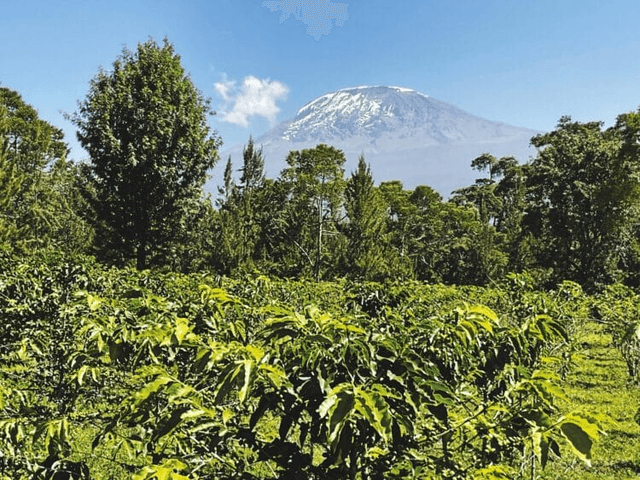
East Africa Hopes for Coffee Harvest Recovery amid Climate Struggles
After five years of crippling drought and extreme heat, coffee farmers across Kenya, Tanzania, and Uganda are cautiously optimistic about a modest recovery in the 2024–25 harvest. In Tanzania’s Kilimanjaro region, producers report improved rainfall and healthier coffee trees compared to last year’s devastating 75% crop loss caused by excessive rains. The Tanzania Coffee Board forecasts a slight increase to 1.3 million 60-kg bags, up from 1.2 million last season. Still, growers remain vulnerable to erratic weather, as prolonged dry periods and flash floods linked to climate change continue to threaten yields. In Kenya, hopes for a rebound have faded. Despite early optimism, the harvest is down 10–15% due to persistent drought, though bean quality remains high. The fly crop—typically harvested from April to June—has withered in many regions due to insufficient rain. Uganda, East Africa’s top coffee exporter, is also facing setbacks. Although the government targets 20 million bags by 2030 under its Coffee Road Map, the 2024–25 crop is expected to remain flat at 6 million bags. Farmers cite heat stress, shrinking bean size, disease outbreaks, and limited access to seedlings and pesticides as key challenges. Despite hardship, high coffee prices have brought some relief, especially for women farmers balancing heavy domestic burdens with crop care.
May, 2025
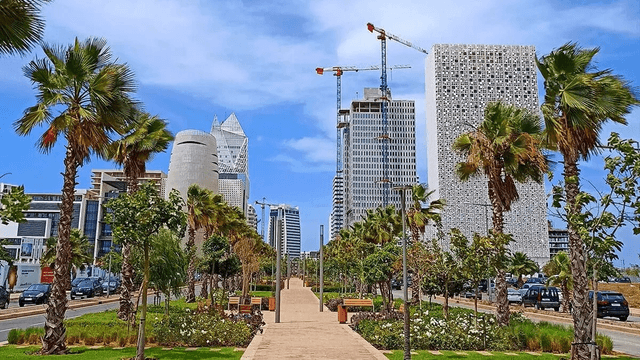
Morocco Leads Africa in 2025 Economic Freedom Index
Morocco has topped African countries in the 2025 Economic Freedom Index, ranking 86th globally with a score of 60.3, according to the latest report from the Heritage Foundation. The country improved by 3.5 points compared to last year, making it the highest-ranked in North Africa and 7th in the MENA region. The Index classifies Morocco as “moderately free,” with strong scores in monetary freedom (74.7), business freedom (68.9), and open market access, including trade (67.2), investment (75), and financial freedom (75). Morocco’s competitive financial sector, equal treatment of foreign investors, and stable inflation contributed to its rise. The report credits Morocco’s ongoing economic reforms and push for greater private-sector dynamism for enhancing competitiveness and diversifying its economy. However, challenges remain. The report notes that costly licensing requirements and a rigid labor market continue to hinder broader economic participation and job creation. The Economic Freedom Index assesses 184 countries based on 12 indicators across four pillars: rule of law, government size, regulatory efficiency, and open markets. Regionally, Mauritania ranked 119th, Egypt 145th, Tunisia 149th, and Algeria 160th. Globally, Singapore, Switzerland, and Ireland topped the index.
March, 2025
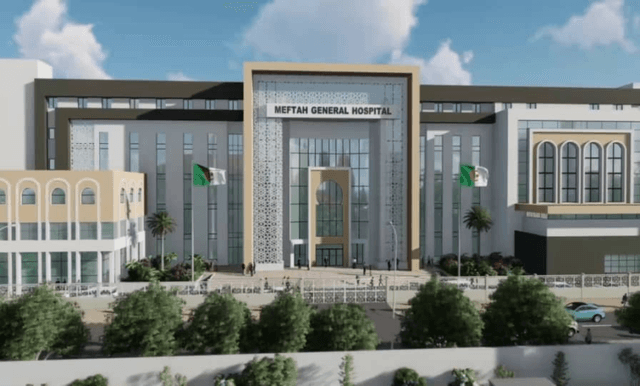
Algeria’s Souakri Group Partners with AzMeCo to Launch $1 Billion Methanol Plant
Algeria is deepening its industrial diversification with the launch of a major petrochemical project. The Souakri Group has signed a $1 billion agreement with Azerbaijan’s AzMeCo to establish the 'Algeria Methanol Company,' aimed at building a methanol plant with a capacity of 1 million tonnes per year. The deal was finalized during the London International Food Show. The plant will also include units for high-value-added methanol derivatives, marking a significant step in Algeria’s industrial strategy to expand beyond hydrocarbons. In a related development, Souakri also inked a $50 million partnership with Switzerland’s Casale Technology to construct an NPK fertilizer plant with an annual output of 100,000 tonnes. Traditionally known for its cement business, the Souakri Group is rapidly expanding into new sectors, including agriculture. One of its latest ventures involves cherry tomato production in the Algerian desert, in partnership with a Dutch agricultural company. These initiatives highlight Algeria’s efforts to attract foreign partnerships, boost industrial capacity, and strengthen its global economic footprint—particularly in petrochemicals and agri-food industries—with the Souakri Group emerging as a central player.
March, 2025
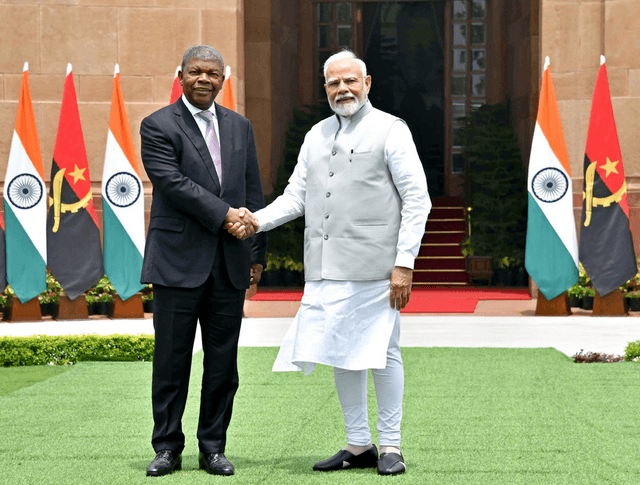
India Extends $200 Million Defence Credit to Angola to Boost Strategic Ties
India has extended a $200 million defence credit line to Angola as part of deepening bilateral cooperation. The announcement came during Angolan President João Lourenço’s visit to New Delhi, where he signed strategic agreements with Prime Minister Narendra Modi covering defence, energy, trade, and cultural exchange. Modi stated that the two countries would collaborate on the repair, overhaul, and supply of defence platforms, alongside training support. The credit aims to support Angola’s army modernization and reduce its reliance on Russian military equipment, especially after the suspension of planned arms factories following the Ukraine war. India’s defence outreach forms part of its broader strategy to strengthen ties with Africa. Over the past decade, New Delhi has opened 17 new embassies on the continent and extended $12 billion in credit for cooperation projects. Last month, India co-hosted its first Africa-India naval drill (AIKEYME) with Tanzania, involving 10 Indian Ocean nations. Celebrating 40 years of diplomatic relations, Angola and India also maintain strong economic ties. Angola is India’s second-largest oil supplier, with bilateral trade reaching $4.2 billion in 2023/24, 90% of which was crude oil exports.
May 21, 2025
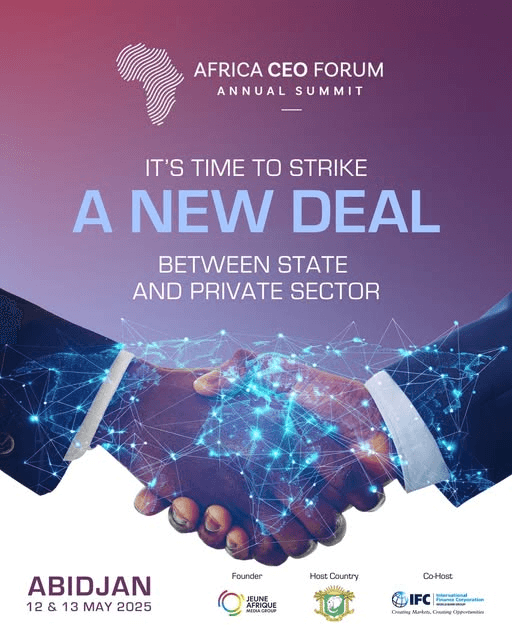
Africa’s Economic Future in Focus as CEOs Meet in Abidjan
The 2025 edition of the Africa CEO Forum will gather 2,000 CEOs, investors and public sector leaders from over 75 countries in Abidjan from May 12–13. The Forum is the continent’s premier gathering, bringing together Africa's top executives, global investors, and government leaders each year. In a challenging global economic backdrop marked by rising protectionism, reduced development aid and high debt-serving costs, the Forum will tackle the prospect of a ‘New Deal’ to strengthen the relationship between governments and businesses in Africa. It’s an agenda that reflects the urgent need for innovative approaches to development based on strong governance, incentive-based industrial policies, and reinforced trade integration. Yet growing opportunities for South-South trade and investment offer new opportunities for African businesses to expand and innovate across the African continent and beyond. Organized by Jeune Afrique Media group and co-hosted by the International Finance Corporation (IFC), the Forum will bring together 2,000 business representatives and government leaders to drive actionable solutions to these challenges and opportunities. Under the theme “Can a New Deal Between State and Private Sector Deliver the Continent a Winning Hand?”, the forum will focus on optimizing public-private collaboration to advance sustainable development. Discussions will center on three key pillars: enhancing governance, refining public policies, and accelerating the AfCFTA. Amir Ben Yahmed, President of the Africa CEO Forum, said: "The current transactional environment gives Africa the ultimate incentive to remove the barriers still holding back its private sector, as no other alternative can match its adaptive speed, innovative capacity, and strategic agility." The Forum will serve as a platform for high-level debates, negotiations, and workshops on topics such as AI-powered governance, the future of African energy, supply chain resilience, and the evolving role of local financing in an era where development aid is diminishing.
May 12, 2025
AU Member States, Experts to Convene in Lomé to Push for Reform on Current Global Financial Architecture
The African Union Commission (AUC) will convene a three-day African Union Conference on Debt in Lomé, Togo, under the theme: “Africa’s Public Debt Management Agenda: Restoring and Safeguarding Debt Sustainability.” Organized by AUC’s Department for Economic Development, Tourism, Trade, Industry, and Minerals (ETTIM), the conference will be held from 12th–14th May 2025. It will gather AU Member States, policymakers, financial experts, and key stakeholders, including representatives from Ministries of Finance, African Central Banks, Regional Economic Communities, African Multilateral Financial Institutions, and Civil Society Organizations. One of the key objectives of the conference is formulating a position on the needed reforms to the current global financial architecture to address the ongoing debt crisis on the continent. It will also explore innovative debt financing mechanisms to secure new funding while maintaining sustainability. Additionally, participants will recommend sound debt management practices aimed at restoring and safeguarding public debt sustainability in Africa.
May 11, 2025

DRC to Decide on Cobalt Export Ban in June amid Market Uncertainty
The Democratic Republic of Congo (DRC) is set to announce a decision on the future of its cobalt export ban on June 22, 2025. The current ban, aimed at boosting local refining and value creation, will expire on that date. Patrick Luabeya, Chairman of the DRC’s Authority for the Regulation and Control of Strategic Mineral Substances (ARECOMS), confirmed the timeline at the Cobalt Congress in Singapore, noting that the decision could extend, modify, or end the ban. Initially, a review was expected by May 22, three months after the ban took effect, but authorities have postponed the decision until next month. Luabeya emphasized the goal of rebalancing the cobalt market to promote local value creation and economic sustainability. Cobalt prices have fluctuated significantly, with prices hitting a low in February but rising to $15.25–$16.50 per pound by May 14. The uncertainty surrounding the ban's future has raised concerns among market participants about long-term demand and investment stability. The DRC is aiming to improve local beneficiation and refining, mirroring Indonesia’s success with nickel, while avoiding becoming merely a raw material supplier. Some stakeholders have warned that high prices could drive the market to seek alternatives.
May, 2025
ECOWAS Convenes 4th Regional Infrastructure Public-Private Partnerships Forum
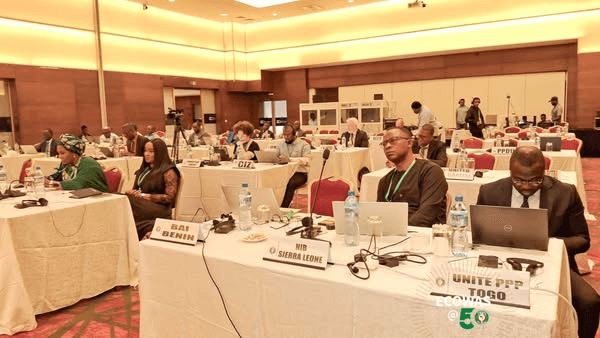
The Economic Community of West African States (ECOWAS) has organized its Fourth Regional Infrastructure Public-Private Partnerships (PPP) Forum in Lagos, focusing on “Strengthening Legal Frameworks for PPPs.” Under the theme ‘Strengthening Legal Frameworks for Sustainable PPPs,’ the forum aims to create a platform to discuss challenges and opportunities related to PPP legal and regulatory frameworks, drawing from the experiences of several ECOWAS Member States. The event seeks to identify critical success factors to support the formulation of effective PPP regulations in emerging markets with limited access to capital. These efforts are intended to reinforce ECOWAS and its regional partners—including the World Bank and the Spanish Agency for International Development Cooperation (AECID)—in ensuring the success of key infrastructure projects like the Lagos – Abidjan Highway Corridor Project and the Praia – Dakar – Abidjan Highway Corridor Project.
May 16, 2025
Algeria to Host Shelter Afrique Development Bank’s 44th AGM in July
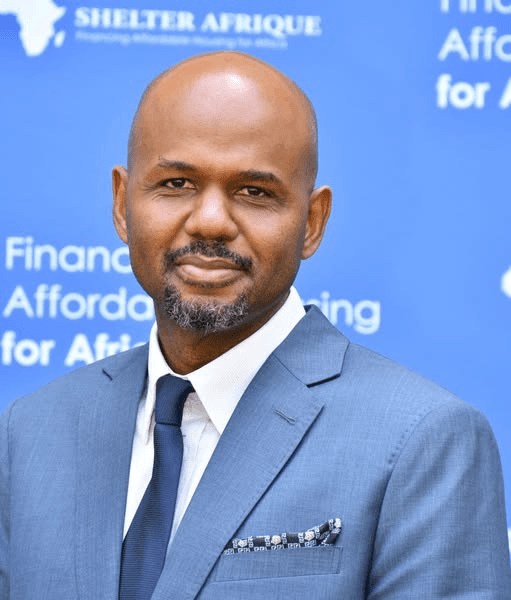
Algeria will host the 44th Annual General Meeting (AGM) and Housing Symposium of the Shelter Afrique Development Bank (ShafDB) from July 15–17, 2025, at Hotel El Aurassi in Algiers. The high-level event will gather policymakers, investors, central bankers, and development finance leaders to shape strategies for affordable housing and sustainable urban development across Africa. Held under the theme “Housing Sector Financial Sustainability Amid Global Turbulence: Opportunities and Challenges,” the meeting will feature discussions on capital mobilization, innovative financing, and PPPs. Ministerial roundtables, policy dialogues, technical forums, and exhibitions will be held to foster collaboration and review ShafDB’s strategic initiatives. ShafDB CEO Thierno-Habib Hann praised Algeria’s role in supporting the bank’s evolution into a development institution and emphasized its continued commitment to housing transformation. The AGM is expected to yield key resolutions to guide the Bank's strategic direction, addressing the continent’s growing demand for affordable housing and infrastructure. Shelter Afrique Development Bank, founded in 1981, operates through 44 African government shareholders and two institutional partners—the AfDB and Africa-Re—and supports housing initiatives through four business lines: FIG, PFG, PPP, and FMG.
May 16, 2025
ECA and EU Deepen Cooperation as Africa CEO Forum Stresses Public-Private Partnerships
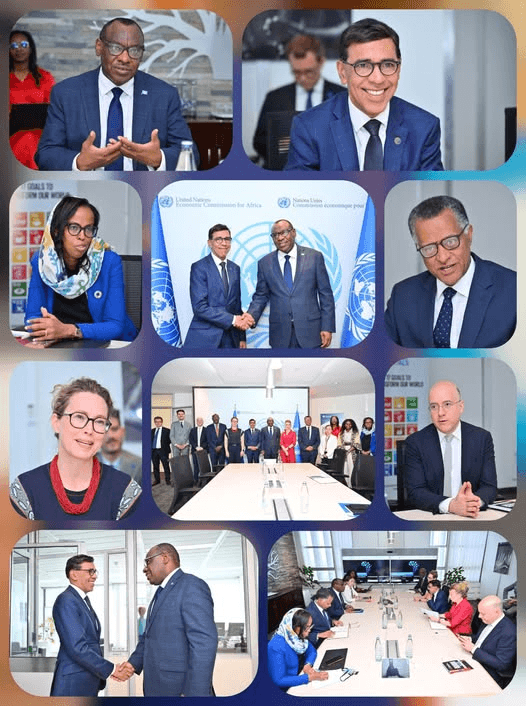
The Economic Commission for Africa (ECA), Executive Secretary Claver Gatete, and Younous Omarjee, Vice President of the European Parliament, held talks aimed at advancing European Union (EU) - Economic Commission for Africa cooperation via value chains, investment, integrated data systems, and modernizing trade infrastructure, particularly ports. The Vice-President of the European Parliament is in Ethiopia for a working visit and conferred with Minister of Foreign Affairs Gedion Timothewos. Meanwhile, African leaders have stressed the need for stronger public-private partnerships and continental unity at the Africa CEO Forum 2025 in Abidjan, Ivory Coast. The forum brought together over 2,800 leaders from the public and private sectors across more than 90 countries. The 12th edition of the forum focuses on forging a new partnership between African governments and businesses to fast-track the continent’s economic transformation. The central theme – "Can a New Deal Between State and Private Sector Deliver the Continent a Winning Hand?" – frames discussions around economic governance, industrial strategy, and the acceleration of the African Continental Free Trade Area (AfCFTA). In his opening address, President of Ivory Coast Alassane Ouattara called for stronger intra-African trade and continued efforts to process raw materials locally. He urged African decision-makers to rethink the frameworks of collaboration between the private and public sectors. Ouattara emphasized that the transformation of African economies must, among other priorities, be based on mastering digital technologies, including artificial intelligence. The president called for a committed effort to develop concrete, ambitious, and contextually appropriate solutions to foster the next generation of African champions. “We must now work to strengthen intra‑African trade by continuing our efforts to process our raw materials and by accelerating the implementation of the AfCFTA,” he said. The two-day event focused on efforts to improve governance, optimize public policies, and accelerate the implementation of the African Continental Free Trade Area. Presidents of Rwanda, Ivory Coast, South Africa, Mauritania, and Senegal attended the opening ceremony. Forum organizers stressed that improving public policy and economic governance is essential to unlocking Africa’s full potential. Founded in 2012, the Africa CEO Forum has evolved from a purely annual event to a permanent platform through which African decision-makers can connect with each other continuously, as well as with international investors and institutions operating on the continent.
May 23, 2025
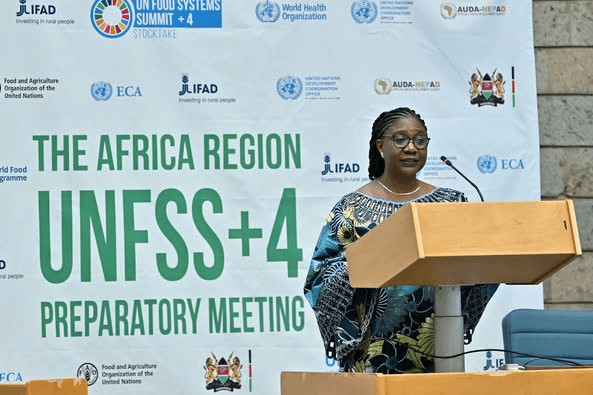
Africa Needs 100 Billion USD to Transform its Food Systems by 2035
Addis Ababa, May 5, 2025 (POA) -- AUDA-NEPAD stressed the need for Africa to unlock climate-smart, inclusive financing that supports smallholder farmers and reduces investment risks in order to truly transform its food systems. At the United Nations Food Systems Summit +4 Preparatory Meeting in Nairobi, AUDA-NEPAD’s Director of Agriculture, Food Systems and Environmental Sustainability, Estherine Lisinge-Fotabong, delivered a crucial message. She said Africa needs 100 billion USD in public and private investments by 2035 to truly transform its food systems. To get there, she emphasized the need to unlock climate-smart, inclusive financing that supports smallholder farmers and reduces investment risks, strengthen regional value chains by investing in agro-industrial corridors, post-harvest infrastructure, and trade facilitation in line with the #AfCFTA. She also mentioned about the importance of harnessing innovative financing like diaspora bonds, green finance, and blended models to boost agrifood SMEs. It’s time to invest boldly, think innovatively, and act inclusively to feed Africa’s future, the director urged.
May 5, 2025
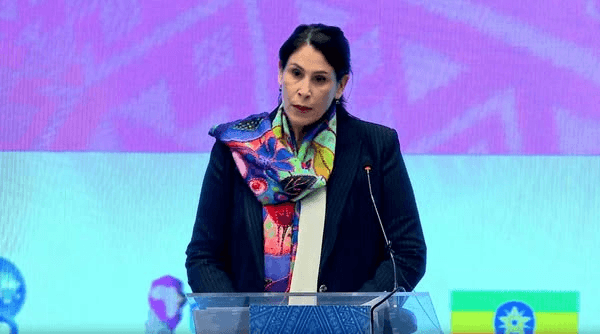
Economic Empowerment of Women Indispensable to Achieve Agenda 2063
Addis Ababa, May 8, 2025 (POA) -- Economic empowerment of women is indispensable to achieve prosperous Africa under #Agenda2063, African Union Commission (#AUC) Deputy Chairperson, Selma Malika Haddadi stressed. The 6th #COMESA Federation of Women in Business (COMFWB) trade fair and business conference was opened in Addis Ababa. Over 200 women entrepreneurs from 21 COMESA member states have showcased their products and services at the trade fair. The trade-fair has provided an opportunity for women entrepreneurs to exchange experiences and create market linkages. In her opening remarks, AUC Deputy Chairperson, Selma Malika Haddadi said the continent's economic integration need to be accelerated by increasing intra-African trade. Moreover, she added that the participation and economic empowerment of women is crucial; stressing that African Union is designing and implementing various projects to ensure women's equality and increase their economic benefits. She emphasized that continental integration involving women would undoubtedly be effective to realize a prosperous Africa under Agenda 2063, applauding the commendable performance of COMESA for improving intra-Africa trade and economic integration. “This commendable performance of COMESA illustrates its contribution to achieving the objectives of AfCFTA in terms of industrial productivity and improved intra-Africa trade on the one hand and to the achievement of Agenda 2063 on the other hand,” she explained. COMESA Federation of Women in Business (COMFWB) Chairperson, Maureen Sumbwe said that ensuring equality of women is not only about protecting rights but also about accelerating development. The chairperson pointed out that encouraging and providing equal opportunities to women entrepreneurs in various fields of work plays an irreplaceable role in the economic growth of the country. COMESA member countries need to formulate and implement policies that encourage women entrepreneurs, she noted. “Many positive commitments have been made to agenda of women equality. There are rooms to strengthen political actions and promises into lasting change. We need more than promises; we need real steps that will give women equal access, equal opportunities and fair chance to grow and to lead,” she stressed. On her part, COMESA Secretary General, Chileshe Kapwepwe said that the role of women entrepreneurs in strengthening economic and trade integration among member states of COMESA is vital; in this regard, it is necessary to jointly address the challenges faced by women and youth to further enhance their significant role in national development and regional integration. “Despite the roles of women entrepreneurs play in the economy, their business have continued to face a number of challenges such as limited knowledge and skill in specific contexts, constraints of market linkages through information and communication technology; limited access to finance as a result of conditions set by financial sectors on to obtain loans-- such as high interest rate and requirements for collateral and inadequate startup capital. Climate change and conflict are also eroding achievements of decades of investments in gender equality and women empowerment,” she elaborated.
May 8, 2025
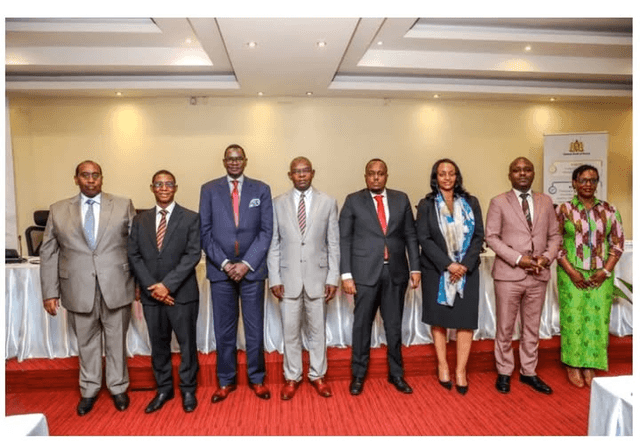
EAC Central Banks Project 5.8 Percent Regional Economic Growth in 2025
Addis Ababa, May 10, 2025 (POA) --- Central banks of the East African Community (EAC) member states on Friday projected regional economic growth at 5.8 percent in 2025. Chairperson of the EAC Monetary Affairs Committee and Governor of the Central Bank of Kenya, Kamau Thugge said the growth outlook will be supported by continued strong performance in the agriculture and services sectors. Thugge made the remarks during the 28th ordinary meeting of the EAC Monetary Affairs Committee, which was attended by central bank governors from Burundi, Kenya, Uganda, Tanzania, Somalia, Rwanda and South Sudan. The EAC apex banks said that despite the positive growth outlook, downside risks remain, mainly due to global trade tensions, geopolitical concerns and climate change. The governors said that the average inflation rate in the region declined to 9 percent in 2024 from 11.2 percent in 2023, which reflects the impact of monetary policy measures, improved food supply due to favorable weather conditions and easing global commodity prices. Inflation is expected to continue moderating across most regional countries in 2025. Thugge said that economic performance in the EAC region has remained relatively resilient despite global shocks, largely supported by strong performance in the agriculture sector and the resilience of the services, mining and oil sectors. The meeting reviewed progress made in implementing the revised roadmap toward the realization of the East Africa Monetary Union by 2031.
May 10, 2025
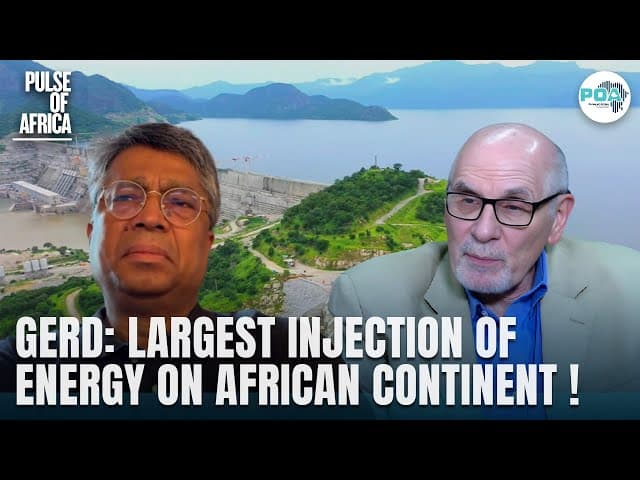

Grand Ethiopian Renaissance Dam
GERD—Largest Injection of Energy on African Continent
May 1 2025
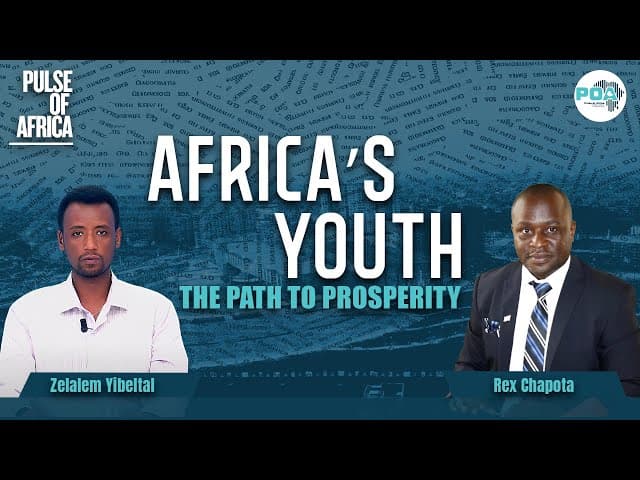
Africa’s Youth
Africa’s Youth: putting the continent on the path to prosperity
May 1 2025
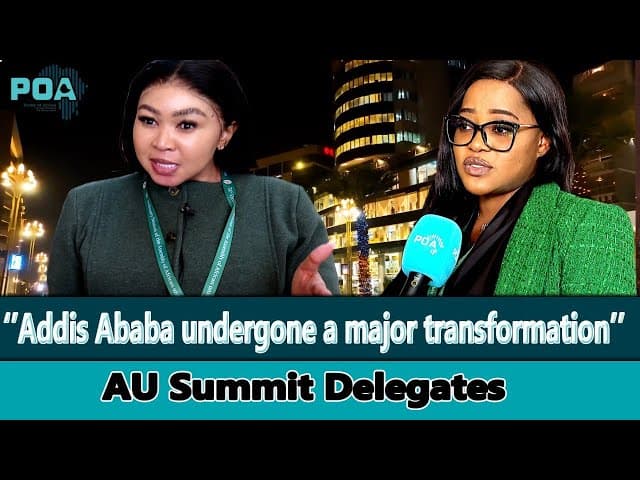
Addis Ababa’s Infrastructure development
Addis Ababa has embarked on a major transformation: AU summit delegates
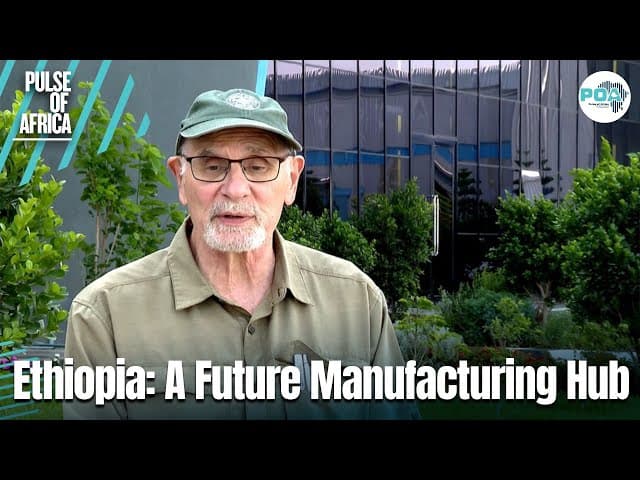
Ethiopia’s Manufacturing Ambition
Ethiopia’s Manufacturing Ambition: Building a Base into Africa’s Future Hub—US Analyst
Agenda 2063
Africa's future is vibrant and filled with promise

About
About Us
Privacy Policy
Cookie Policy
PoA Programs
Program Name
Program Name
Program Name
Program Name
Copyright 2025 PoA. All rights reserved.