
African Experts, Officials Convene to Explore Ways to Integrate Migrants into National ID Systems
Delegates from ten African countries, regional institutions, and UN agencies are meeting in Harare to explore ways to integrate migrants, displaced persons, and border communities into national ID systems, aiming to strengthen inclusion and legal accountability.
Latest News
African Experts, Officials Convene to Explore Ways to Integrate Migrants into National ID Systems
Delegates from ten African countries, regional institutions, and UN agencies are meeting in Harare to explore ways to integrate migrants, displaced persons, and border communities into national ID systems. The five-day workshop, organized by #ECA in collaboration with the African Union Commission (#AUC), the International Organization for Migration (#IOM), and #IGAD, introduces a new Good Legal Identity Toolkit to help countries strengthen inclusion and accountability. Hundreds of millions of people in Africa lack legal documentation, leaving migrants particularly vulnerable. Without proof of identity, they face exclusion from education, healthcare, employment, and justice systems, rendering them invisible to the state and at risk of exploitation, according to the Economic Commission for Africa (ECA). Christian Oldiges, Chief of the ECA’s Social Policy Section, opened the workshop by emphasizing that legal identification is not just a technical issue but a foundation for inclusive development and data systems. “Legal ID is perhaps the one SDG target (16.9) linked to nearly all others, forming the basis for our statistics,” said Oldiges. “Many African countries now recognize the lack of legal ID not only as a governance gap but as a form of poverty.” He highlighted national efforts to integrate legal identity into poverty assessments. For example, Botswana includes “social inclusion” as a key poverty dimension, considering households deprived if no member has a birth certificate or national ID. Angola and Malawi have adopted similar indicators. The East and Horn of Africa underscore the pressing need for action. Between 2010 and 2019, the number of international migrants in the region more than doubled. Today, it hosts nearly five million refugees and over 85,000 stateless persons, primarily in Uganda, Kenya, and South Sudan. “Legal identity is a fundamental human right and a gateway to essential services,” Oldiges stressed. Gideon Rutaremwa, speaking on behalf of William Muhwava, Chief of ECA’s Demographic and Social Statistics Section, reinforced this view: “Legal identity allows individuals to prove their existence, identity, and family ties. To unlock Africa’s potential; we must adopt a life-cycle approach—from birth to death.” He warned that the lack of documentation perpetuates poverty, inequality, and exclusion, especially for displaced populations often left outside formal systems. The AUC, a co-organizer, stressed the need for cross-border collaboration. Peter Mudungwe, AUC Migration Governance Expert, urged alignment between national civil registration efforts and continental frameworks safeguarding migrants’ and stateless persons’ rights. Diana Cartier, IOM Chief of Mission in Zimbabwe, added: “Legal identity is foundational. Without it, migrants face systemic exclusion. For women, children, and stateless persons, this can mean a lifetime of invisibility.” The workshop explores ways to integrate migrants, displaced persons, and border communities into national ID systems while protecting their rights and data. Participants are reviewing the Good Legal Identity Toolkit and sharing policy experiences from Kenya, Zimbabwe, Somalia, Rwanda, Uganda, South Sudan and others. Discussions aim to yield concrete recommendations and national commitments for more inclusive ID systems. The toolkit guides interoperability, privacy, legal frameworks, and documenting hard-to-reach populations. With less than five years to achieve SDG target 16.9 (legal identity for all), organizers stress that solutions must go beyond technical upgrades to address the legal and policy barriers excluding migrants.
Africa’s Dev’t Should not be Held Hostage by Narrow Perceptions of Risk: ECA Official
African countries face persistent challenges in accessing affordable capital to finance their development priorities mainly due to the unfavorable credit ratings that often do not reflect the true macroeconomic fundamentals in the continent, Director, Macroeconomics, Finance and Governance Division, #ECA Zuzana Brixiova Schwidrowski remarked. The Director made the remark at the opening of Africa Credit Rating Conference 2025 which is underway in Cape Town, South Africa under the theme “Unlocking Domestic Financing through Improving Credit Ratings.” In her speech, the director indicated that “Today, only two African countries hold investment-grade ratings. This statistic alone underscores the severity of the sovereign debt and financing challenges we face. But it also points to an opportunity to make an urgent call for collective action to rewrite the narrative.” There is a widespread and growing concern among policymakers, economists, and development partners that the methodologies employed by major global credit rating agencies may not adequately consider Africa’s unique development contexts, the director said. These include issues of data quality, structural biases, limited country coverage, and lagged assessments, which in turn lead to elevated risk premiums, discourage long-term investments, and shrink the fiscal space for critical public investment. “As such, improving sovereign and sub-sovereign credit ratings is not just about better access to capital markets; it is about building confidence, promoting fiscal responsibility, and unlocking the vast potential of domestic resource mobilization, which remains underleveraged across the continent.” In response to these challenges, a growing coalition of institutions and stakeholders including regional bodies, central banks, finance ministries, and think tanks are working to promote reform on multiple fronts, she noted. This includes strengthening domestic economic fundamentals through prudent fiscal management, enhanced debt transparency, and strategic revenue mobilization, including widening the tax base and reducing illicit financial flows. She further stressed the need to develop domestic credit rating capabilities that are regionally embedded and contextually attuned to African economies in order to challenge existing narratives, bringing balance and equity to sovereign credit assessments. She mentioned the efforts being carried at the Economic Commission for Africa (ECA), “At ECA, we view credit ratings not just as a technical assessment of repayment risk, but as a development enabler.” Boosting sovereign credit ratings is not merely a technical objective, she said, stating that it is a strategic lever for enhancing Africa’s overall creditworthiness and investment appeal. “Stronger ratings serve as a signal of economic stability, sound governance, and fiscal responsibility, which are precisely the qualities sought by both international and domestic private investors.” “Africa’s development should not be held hostage by narrow perceptions of risk. Our continent has demonstrated resilience, innovation, and reform ambition. The world needs a credit rating system that recognizes this progress and supports our member states in financing the African Union’s Agenda 2063 and the Sustainable Development Goals,” the director underscored.
#AU, #EU Reaffirm Their Strategic Partnership
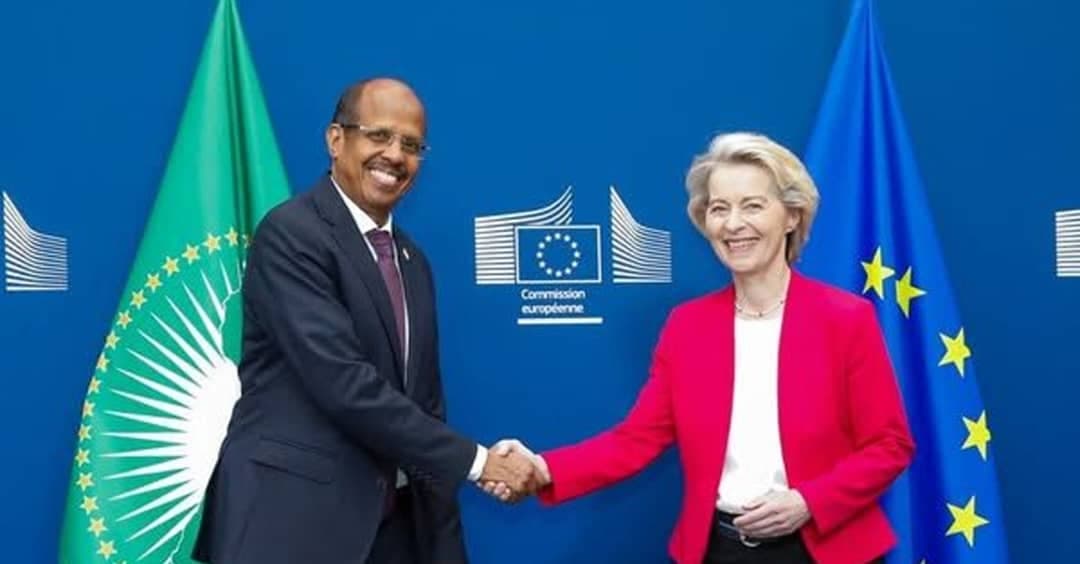
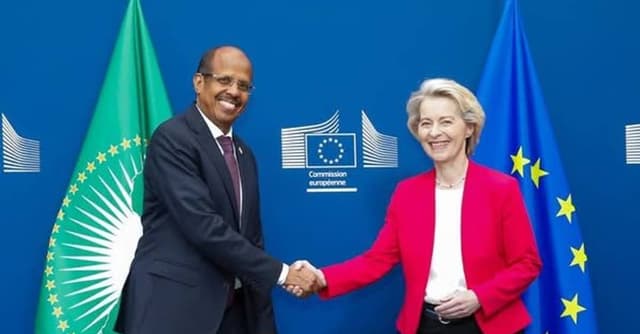
President of the European Commission, Ursula von der Leyen and Chairperson of the African Union Commission, Mahmoud Ali Youssouf discussed ways to deepening cooperation. This evening, AUC Chairperson was received by President of the EU Commission. On the occasion, they discussed the outcomes of the 3rd AU-EU Ministerial Meeting and Africa's agency in development. The third African Union and European Union ministerial meeting was held in Brussels today to take stock of progress made since the sixth AU- EU Summit of February 2022. The two sides have also reaffirmed the strategic AU-EU partnership and the importance of deepening multilateral cooperation on shared priorities: peace and security, stabilization, Africa-led peace support operations, trade, and sustainable infrastructure. The AUC Chairperson emphasized the need to translate the EU-Africa Global Gateway Investment Package into tangible progress aligned with Africa’s development priorities.

Policymakers Intensify Calls for Transparency in Sovereign #CreditRating Methodologies
#African policymakers are stepping up calls for greater transparency and fairness in how global credit rating agencies assess sovereign risk, warning that opaque and inconsistent methodologies are costing the continent billions in lost investment and higher borrowing costs. At a workshop that seeks to promote transparency and build capacity around the sovereign credit rating processes used by major international credit rating agencies, finance officials and economists from across Africa said the current system is failing to reflect the true economic fundamentals and resilience of African economies. “This is a space where power is exercised,” said Raymond Gilpin, Chief Economist for Africa at the United Nations Development Program (UNDP). “And when you don't understand how the power is exercised, you will always be behind.” The two-day workshop, hosted by the African Peer Review Mechanism (APRM) in partnership with the UN Economic Commission for Africa (ECA), UNDP Africa, and Africatalyst, is taking place just ahead of the inaugural Africa Annual Credit Ratings Conference, which opens on 21 May. Organizers say the event is meant to equip governments with tools to navigate, challenge, and actively engage in the credit rating process while addressing macroeconomic challenges that impact national creditworthiness. McBride Nkhalamba, Director of Research at APRM, speaking on behalf of APRM CEO Amb. Marie–Antoinette Quarte, said the stakes are high. “The methodologies used by major credit rating agencies are often opaque and insufficiently understood,” said McBride. “This workshop is a timely opportunity to demystify these methodologies, build technical capacity among our government institutions and deepen engagement.” The event features case studies, simulations and peer learning sessions involving finance and central bank officials from Ghana, Kenya, Ethiopia and Zambia. Zuzana Schwidrowski, Director of the Macroeconomics, Finance and Governance Division at ECA, emphasized the importance of proactive engagement. “Engagement with rating agencies must be informed, confident and proactive - grounded in data and supported by internal coordination,” she said. Schwidrowski urged African institutions to take charge of the narrative. “Africa must own its credit narrative,” she said, adding that “this workshop is not just a forum for technical discussion; it is a platform for strategic empowerment.” Credit ratings are more than technical exercises. They shape Africa’s access to development finance, influence investor decisions, and impact everything from insurance costs to public debt management. Gilpin urged African governments to question the assumptions that are often locked into credit ratings. “We must be prepared to challenge what we’re told respectfully but clearly.” The Africa Annual Credit Ratings Conference, opening 21 May, is expected to bring together stock exchange executives, rating analysts, economists and policymakers for a deeper look at how ratings can unlock domestic financing and support long-term development on the continent.
AfCFTA Opens Alternative Markets to Sectors Affected by Global Tariff Wars: Continental Report
Against the backdrop of rapid changes, marked by rising debt and global trade tensions that have cast a shadow over Africa’s post-COVID-19 economic recovery, the Economic Commission for Africa (ECA) and the Policy Center for the New South held a national dissemination launch of the Economic Report on Africa 2025 (ERA 2025). This year’s edition of the report is titled, "Advancing the Implementation of the Agreement Establishing the African Continental Free Trade Area (AfCFTA): Proposing Transformative Strategic Actions." Considered as one of the most comprehensive economic agreements in existence, the AfCFTA is widely recognized as a game changer for Africa’s long-term growth and prosperity. Its protocols and mechanisms cover a wide range of dimensions such as trade in goods and services, dispute settlement, competition, investment, intellectual property, digital trade, and the contribution of women and youth. ECA experts note that a meticulous implementation of the AfCFTA in 2045 could enable the continent to increase its GDP by 141 billion USD and intra-African trade by 276 billion USD (+45%). In the short-term, the AfCFTA can help African industries threatened by rising international tariffs, such as the automotive and fertilizer sectors, accelerate their shift toward alternative regional markets. ERA 2025 provides an overview of the implementation of the African free trade agreement and its potential impact on structural transformation, and inclusive and sustainable development in Africa. According to ECA, the report also examines the gaps observed in its implementation and draws up a list of priority actions to ensure its successful implementation in a rapidly changing global trade context. However, in order to make these ambitions a reality, the authors of the report note that African countries still need to take several steps to strengthen their position in global trade by creating a common African trade policy vis-à-vis other regions of the world, ironing out inconsistencies in AfCFTA implementation mechanisms and implementing the Protocol on the Free Movement of Persons, to accelerate the emergence of African regional value chains.
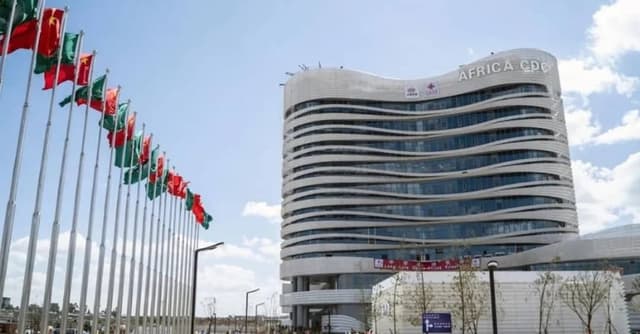
Africa CDC Unveils Strategic Plan to Transform Health Financing, Advance Self-Reliance
African governments have been urged by the Africa Centres for Disease Control and Prevention (Africa CDC) to harness the continent’s annual 95 billion USD in diaspora remittances towards supporting national health priorities, as part of a broader push for sustainable and sovereign health financing. Director General of the Africa Centres for Disease Control and Prevention (Africa CDC), Dr. Jean Kaseya has issued a bold call for African nations to reclaim ownership of their health systems, as the continent braces for a sharp decline in external health aid. “Africa cannot continue outsourcing its health security,” Kaseya said during the unveiling of a new continent-wide health financing strategy. For him, this strategy is not about aid—it’s about ownership, adding that: “We are building a future where Africa invests in its people, drives its own health agenda, and responds to crises with speed, strength, and self-reliance.” Africa CDC’s newly launched strategy comes at a critical time. Between 2021 and 2025, external health aid to Africa is expected to drop by a staggering 70%. At the same time, disease outbreaks have surged by 41% from 2022 to 2024, straining fragile health systems and threatening to undo decades of progress in disease control, maternal care, and epidemic preparedness. In response, Africa CDC is partnering with African Union (AU) Member States to revise national health financing plans, increase domestic investment in health, and pilot innovative revenue-generating mechanisms that reflect the unique contexts of African countries, it was indicated. The strategy calls on governments to meet their Abuja Declaration commitment of allocating at least 15% of national budgets to health. It also introduces new financing ideas, such as applying solidarity levies on airline tickets, alcohol, and mobile services, while exploring ways to harness the continent’s US95 billion USD in annual diaspora remittances to support national health priorities. Blended finance tools will also play a key role in unlocking both public and private capital for critical investments in infrastructure, digital health, and the local production of vaccines and medical supplies. The broader aim is to reshape how African health systems are financed—less reliant on donors, and more driven by sustainable, homegrown solutions. Accordingly, the initiative will roll out in two phases. From 2025 to 2026, the focus will be on updating national health financing plans in 30 countries, testing innovative revenue streams, and launching digital transparency dashboards to ensure public accountability. The second phase, from 2026 to 2030, aims to scale up successful models, with the goal of enabling at least 20 countries to sustainably finance 50% or more of their health budgets using domestic resources. To measure progress and drive accountability, Africa CDC will introduce the African Health Financing Scorecard, a new tool to track implementation, align donor support, and improve efficiency in domestic spending. The strategy has been endorsed by the African Union and is backed by growing political momentum for health sovereignty across the continent. “This is a turning point for Africa,” said Kaseya. “With the right vision, coordination, and commitment, we can build health systems that are not only resilient but also truly African in design and leadership.” As the world continues to face global health challenges, Africa CDC’s plan sets a new benchmark for homegrown solutions—placing African resilience, innovation, and ownership at the heart of a healthier, self-reliant future.
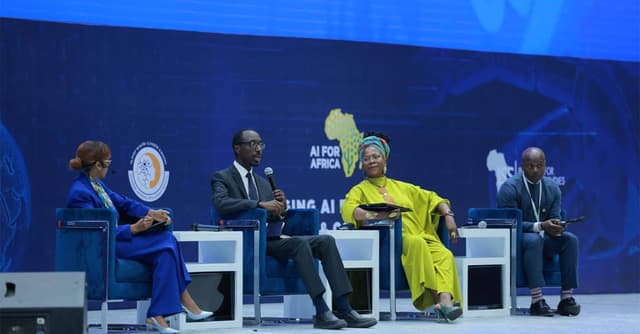
#African Nations Collaborations in AI Key to Unlocking its Potential for Dev't : Panelists
Panelists underscored the critical importance of cross-sector collaboration to unlock AI’s full potential for Africa's destiny. A high-level policy dialogue on collaborative strategies for Artificial Intelligence (AI) adoption in Africa took place today as part of the #EthiopianTechExpo2025 in Addis Ababa. The discussion themed “Leveraging AI for Africa’s Prosperity and Collaboration” brought together high-ranking officials and experts to address the continent’s evolving AI landscape and explore collaborative strategies to ensure Africa’s active participation in the AI revolution. At the panel discussion, Ethiopia’s Minister of Foreign Affairs Gedion Timothewos emphasized the importance of African countries to become active participants in AI research, development, and innovation. Noting the importance of realizing how critical AI is, he said “AI is not a fad. It's not a buzzword. It is something that is going to determine our destiny as human beings for the coming future.” Gedion added “It requires a whole government approach. This is the next industrial revolution. It's already unraveling. We can't afford to miss this train. We need to be on board. We need to drive it.” The minister also urged African countries to engage in discussion about AI governance, stressing that platforms like the Tech Expo were crucial for uniting the continent’s efforts and forming a collective stance on AI regulations and policies. He underscored that collaboration between the public and private sectors, as well as across countries, is crucial, emphasizing that it is key to progress. “When we bring together our knowledge, skills, and human resources, and foster synergy among African nations, I believe we can achieve something truly significant. Without collaboration facilitated by platforms like this, we won’t be able to move forward, ” Foreign Minister Gedion pointed out. Commissioner for Infrastructure and Energy at the African Union, Lerato Mataboge outlined the AU’s AI strategy, emphasizing that AI is no longer a futuristic concept but a present-day reality for many African businesses and citizens. “There are many companies and SMEs already leveraging AI across the continent. The starting point is to recognize that our economies are already engaged with AI, and many of our citizens are actively participating in the AI revolution,” Mataboge stated. Mataboge also acknowledged significant challenges in AI adoption, including the continent’s digital infrastructure deficit and the ongoing AI skills gap. She further stressed “To truly leapfrog into the AI-driven era, we must invest in our digital infrastructure and ensure that African citizens have the skills to engage with AI technologies.” Moreover, she pointed out that retaining skilled professionals is a major hurdle, with many African nations facing substantial brain drain. “We must create strategic pathways for retaining talent, fostering skills development, and localizing AI technologies to reflect African realities,” Mataboge added. Executive Director of the Institute for Security Studies (ISS), Fonteh Akum stressed the interconnectedness of AI and infrastructure. He mentioned that it is extremely difficult to discuss frameworks in isolation without considering how AI links and bridges both old and new infrastructures. “We need power grids; we need broadband, the funding that drives that, despite the fact that Africa has the human capital to drive it already, ” the executive director noted. Akum called for a comprehensive approach to building both physical and digital infrastructures to support the AI ecosystem across Africa. He also highlighted the need for a governance framework that prioritizes ethical AI use, human control over technology, and data sovereignty. He called on African countries to ensure AI doesn’t exacerbate existing inequalities but rather becomes a tool to bridge gaps in development, particularly in agriculture, healthcare, and governance.
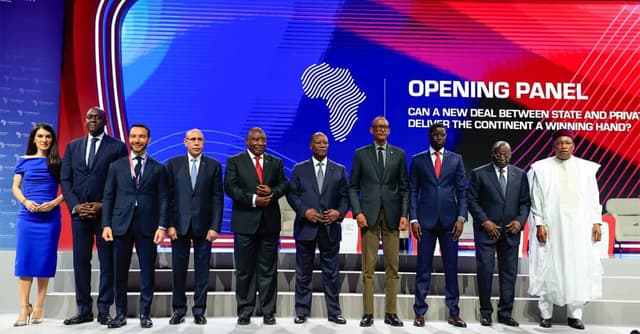
African Leaders Call for Stronger Public-Private Partnerships, Continental Unity at Africa CEO Forum
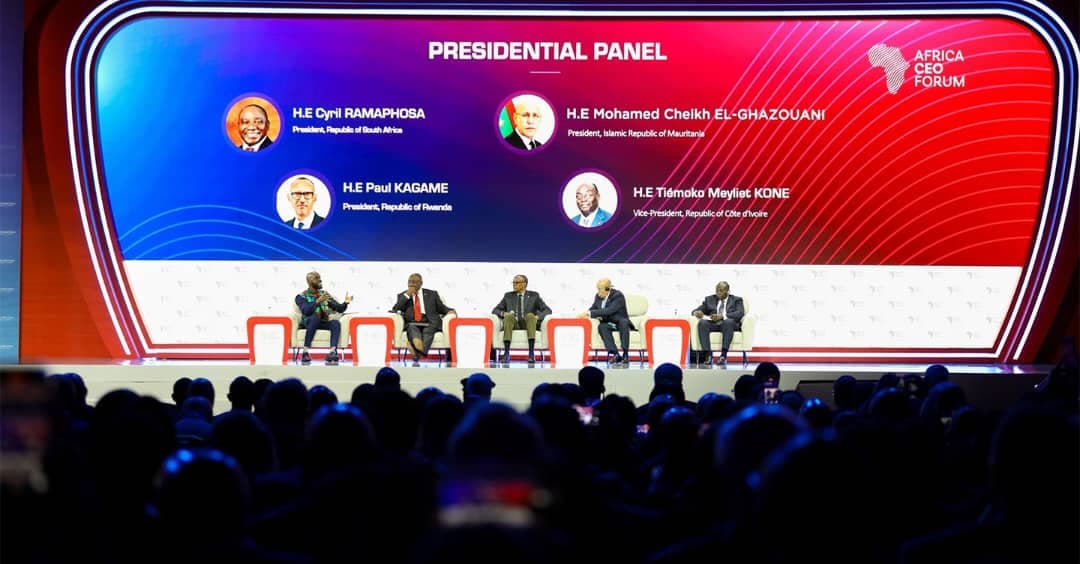
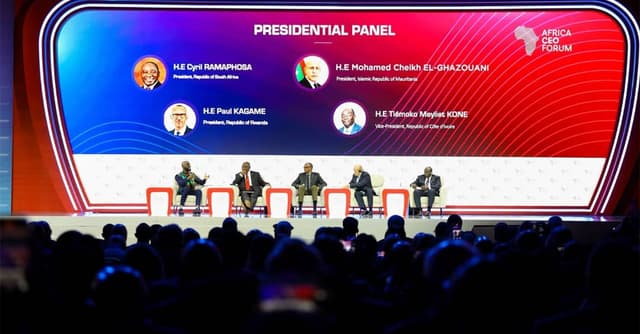
African leaders have stressed the need for stronger public-private partnerships and continental unity at Africa CEO Forum 2025 in in Abidjan, Ivory Coast. The Africa CEO Forum 2025 held in Abidjan bringing together over 2,800 leaders from the public and private sectors across more than 90 countries. The 12th edition of the forum, focuses on forging a new partnership between African governments and businesses to fast-track the continent’s economic transformation. The central theme – "Can a New Deal Between State and Private Sector Deliver the Continent a Winning Hand?" –frames discussions around economic governance, industrial strategy, and the acceleration of the African Continental Free Trade Area (AfCFTA). In his opening address, President of Ivory Coast Alassane Ouattara called for stronger intra-African trade and continued efforts to process raw materials locally. The president urged on African decision-makers to rethink the frameworks of collaboration between the private and public sectors. He said that the transformation of African economies must, among other priorities, be based on mastering digital technologies, including artificial intelligence. Ouattara called for a committed effort to develop concrete, ambitious, and contextually appropriate solutions to help foster the next generation of African champions. “We must now work to strengthen intraAfrican trade by continuing our efforts to process our raw materials and by accelerating the implementation of the AfCFTA,” he said. The two-day event focused on efforts to improve governance, optimize public policies, and accelerate the implementation of the African Continental Free Trade Area. Presidents of Rwanda, Ivory Coast, South Africa, Mauritania and Senegal attended the opening ceremony of the 12th edition of the Africa CEO Forum. Forum organizers stressed that improving public policy and economic governance is essential to unlocking Africa’s full potential. Founded in 2012, the Africa CEO Forum has evolved from a purely annual event to a permanent platform through which African decision-makers can connect with each other continuously, as well as with international investors and institutions operating on the continent.
May 27, 2025
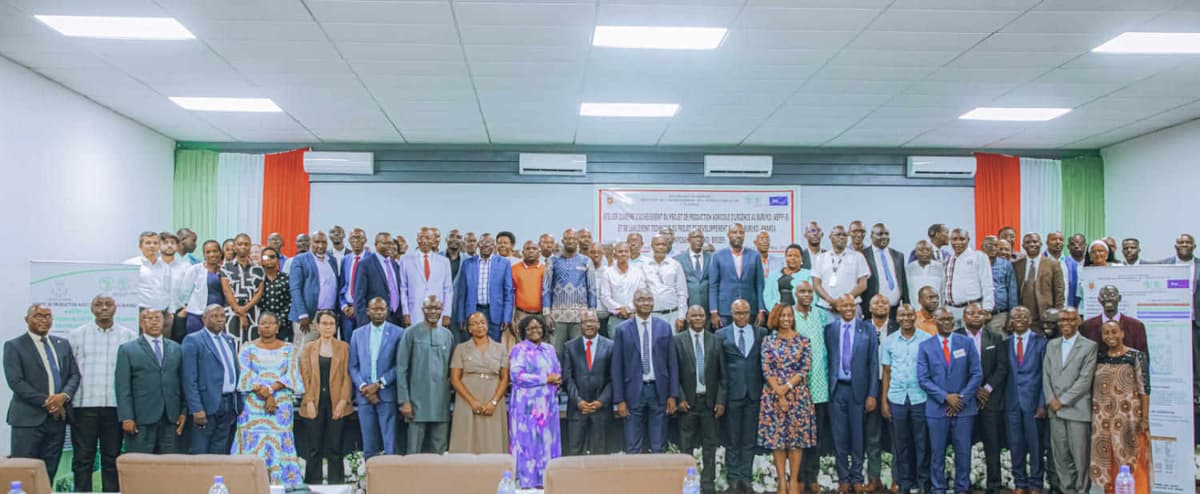
The Burundian government and the African Development Bank (AfDB) officially launched the Burundi component of the Burundi-Rwanda Integrated Development Project (BRIDEP) in Bujumbura. The initiative aims to modernize agriculture, improve cross-border trade, and foster regional integration. With a budget of $152 million, the six-year project (2024–2029) targets rural transformation and poverty reduction. It will operate in nine provinces with high agricultural potential, including Kirundo, Gitega, Muyinga, and Cibitoke. Key objectives include developing irrigable land, promoting agro-industrialization, and empowering youth and women entrepreneurs. At the technical launch workshop, stakeholders outlined the project’s components. Plans include cultivating 24,000 hectares using improved seeds, teaching climate-resilient farming techniques, and rehabilitating 6,000 hectares of marshland and 18,000 hectares of watershed. Additionally, 40 private breeding centers will improve pig and poultry strains. A digital platform linked to the geolocation of 120,000 households will centralize access to inputs, financing, and markets. Strategic infrastructure developments include Burundi's first one-stop border post at Akanyaru Haut and two pilot agricultural hubs in Cibitoke and Karuzi, created through public-private partnerships. Officials emphasized the project’s transformative potential. Diomède Ndayirukiye of Burundi’s Ministry of Agriculture highlighted its role in sustainable, inclusive development. AfDB Country Manager Pascal Yembiline called agriculture “the beating heart of the Burundian economy,” while AfDB’s Pascal Sanginga described BRIDEP as a model for high-impact, regional integration-focused projects. The initiative is co-financed by AfDB, the International Fund for Agricultural Development (IFAD), and the Burundian government.
Latest Travel Articles
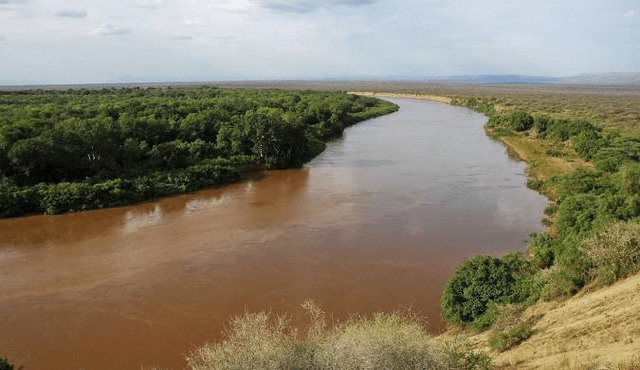
The Face of Ethiopia: Exploring the Rich Heritage of the Omo Valley
Ethiopia is a land of extraordinary diversity, where ancient traditions, vibrant cultures, and landscapes converge to create a unique tapestry of life. Among its many treasures, the Omo Valley stands out as one of the most culturally rich and visually stunning regions in the country. This remote area in south western Ethiopia is home to numerous indigenous ethnic groups, each with its own distinct customs, languages, and ways of life. The Omo Valley is not just a place it is a living museum of human heritage, offering a rare glimpse into traditions that have remained largely unchanged for centuries. The Omo Valley is inhabited by several ethnic groups, including the Hamar, Mursi, Karo, Surma, and Arbore, among others. Each of these communities has preserved its identity despite the pressures of modernization. Their lives are deeply intertwined with the land, the river, and the cycles of nature, making their traditions a profound expression of human resilience and creativity. One of the most striking aspects of the Omo Valley’s cultures is the elaborate body art and adornment practiced by its people. The Mursi and Surma tribes, for example, are renowned for their lip plates a practice where women insert large clay or wooden discs into their lower lips. This custom, often misunderstood by outsiders, is a powerful symbol of beauty, identity, and social status within the community. Similarly, the Karo people are famous for their intricate body painting, using natural pigments to create stunning patterns that reflect their connection to the environment. The Hamar people, another prominent group in the Omo Valley, are known for their unique rituals, particularly the bull-jumping ceremony, a rite of passage for young men. This event marks the transition from boyhood to adulthood and involves the initiate leaping over a line of cattle to prove his strength and courage. The ceremony is accompanied by singing, dancing, and the rhythmic beating of drums, creating an atmosphere of communal celebration. The Omo River, which flows through the valley, is the lifeline of these communities. It provides water for drinking, farming, and livestock, sustaining the delicate balance of life in this arid region. The annual flooding of the Omo River is a crucial event, as it deposits nutrient-rich silt on the riverbanks, allowing the tribes to practice flood-retreat agriculture. This ancient farming technique involves planting crops in the fertile soil left behind by the receding waters, ensuring a stable food supply. Beyond agriculture, the river also plays a central role in spiritual and cultural practices. Many tribes believe that the Omo River is sacred, a source of life and a connection to their ancestors. Rituals and ceremonies often take place along its banks, reinforcing the deep bond between the people and their environment. Despite its cultural richness, the Omo Valley faces numerous challenges. The construction of large-scale infrastructure projects, such as the Gibe III Dam, has disrupted traditional ways of life by altering the river’s natural flow. Additionally, increasing tourism, while providing economic opportunities, has also led to concerns about cultural exploitation and the erosion of authentic traditions. Efforts are being made to preserve the unique heritage of the Omo Valley. Local and international organizations are working with indigenous communities to promote sustainable tourism, ensuring that visitors engage with the cultures in a respectful and meaningful way. Education programs are also being implemented to help younger generations appreciate and maintain their traditions while adapting to a changing world. The Omo Valley is more than just a remote corner of Ethiopia it is a microcosm of the country’s incredible diversity. Just as Ethiopia is a mosaic of languages, religions, and landscapes, the Omo Valley showcases the beauty of human variation within a single region. By exploring and celebrating these cultures, we gain a deeper understanding of what it means to be Ethiopian a people united by history yet enriched by differences.
May 20, 2025
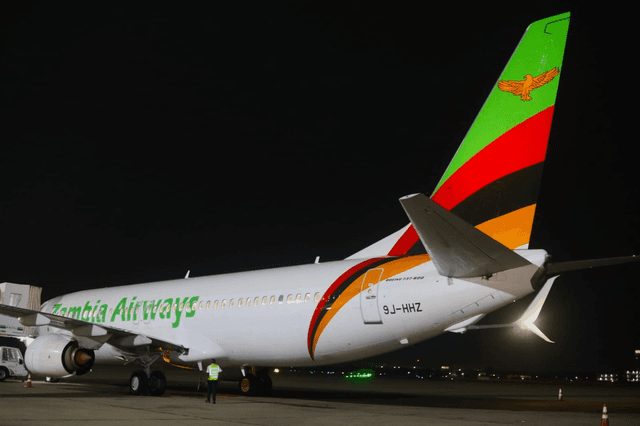
Zambia Airways Reconnects Lusaka and Harare, Boosting Regional Travel
Zambia Airways will resume its direct Lusaka-Harare flights starting June 17, 2025, reestablishing a key regional link and creating new opportunities for African travel agents. The service, operating three times weekly, revives a vital route initially launched in 2023 but later suspended. This renewed air link is expected to stimulate tourism, trade, and business travel between Zambia and Zimbabwe, enhancing regional integration and economic ties. The direct connection reduces travel time and eliminates layovers, offering travelers greater convenience. For travel agents, the route opens doors to multi-destination packages, combining urban experiences in Lusaka and Harare with excursions to Victoria Falls, Hwange National Park, or South Luangwa. It also supports growing demand for intra-African travel and strengthens Zambia Airways’ regional network amid rising competition. With improved access, agents can now offer more efficient and attractive itineraries, catering to both leisure and business travelers while contributing to the growth of Southern Africa’s tourism and aviation sectors.
May 28, 2025
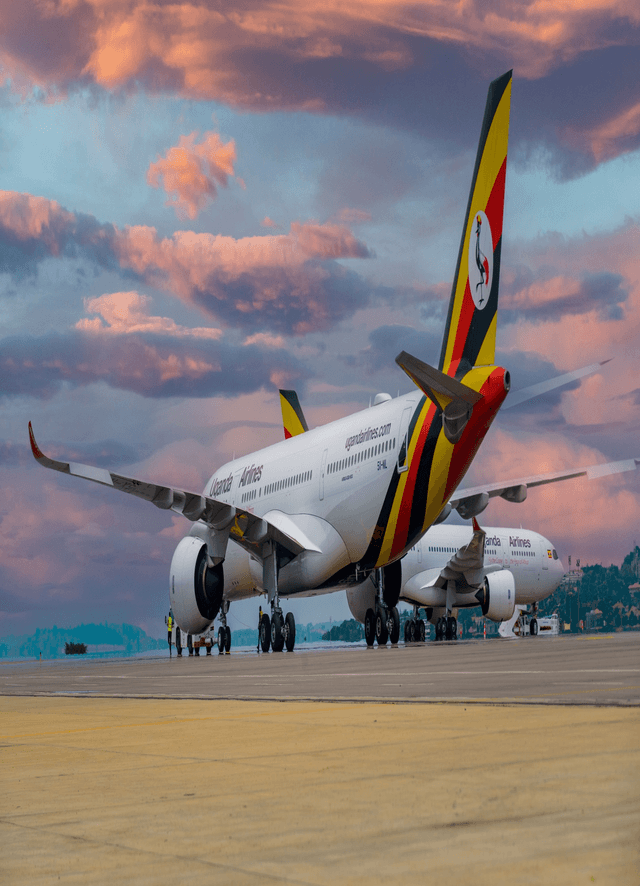
Uganda Airlines Launches Direct Flights to London Gatwick
Uganda Airlines inaugurated direct service between Entebbe International Airport (EBB) and London Gatwick (LGW), strengthening trade, tourism, and investment ties with the UK. Operating four times weekly on the Airbus A330-800neo, the nonstop route offers enhanced connectivity between East Africa and one of the world’s busiest aviation hubs. The launch follows recent expansions to Abuja, Lusaka, and Harare, reinforcing Entebbe as a growing regional hub. Uganda Airlines CEO Jenifer Bamuturaki emphasized the route’s strategic value, while Minister Gen. Katumba Wamala called it “a bridge for business, tourism, and people-to-people connections.” This marks the airline’s first European route and underscores its role in advancing Uganda’s global presence through efficient, sustainable aviation.
May 18, 2025

Cape Town Unveils 2025/26 Visitor Guide Celebrating Local Creativity and Inclusive Tourism
Cape Town has officially launched its 2025/26 Visitor Guide at Africa’s Travel Indaba, placing a strong spotlight on the city’s rich cultural diversity and its ongoing commitment to inclusive tourism. This year’s edition features original artwork by students from Oakley House High School, a neurodiverse learning institution—underscoring the city’s dedication to accessibility and representation within the tourism sector. Available in both print and digital formats, the guide introduces interactive elements and highlights experiences that go beyond the traditional tourist trail. City officials emphasized the importance of tourism as a key driver of economic growth, with Alderman James Vos, Mayoral Committee Member for Economic Growth, noting that tourism is “more than a selfie with Table Mountain.” Enver Duminy, CEO of Cape Town Tourism, remarked that the guide is designed to reflect the city’s creative spirit while providing a platform for local talent. He encouraged visitors to experience Cape Town as a vibrant, inclusive, and ever-evolving destination.
May 15, 2025
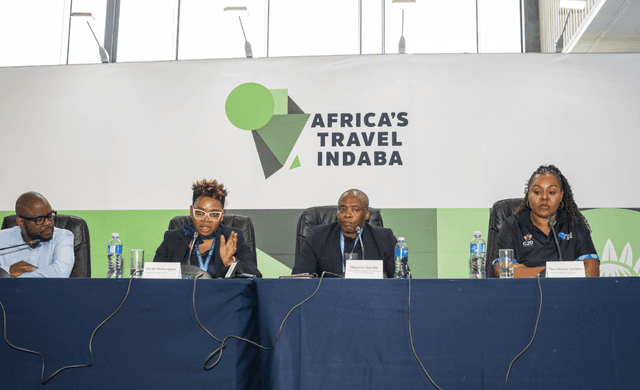
Africa’s Travel Indaba 2025 Boosts Durban’s Economy by Nearly $50M
Africa’s Travel Indaba 2025 is expected to add R574 million (nearly AU$50M) to Durban’s GDP, with R232 million in direct spending. The event also created over 2,000 jobs, especially for youth and local communities, contributing R140 million to household incomes. The 2025 edition, under the theme “Unlimited Africa,” saw over 9,990 attendees, a 7.7% increase from 2024, with more than 24,500 meetings held. The event attracted 1,348 exhibitors and 1,037 buyers, the highest in four years, and featured 27 African countries, including new participants from Chad, St. Helena, and Burkina Faso. Deputy President Paul Mashatile and Minister of Tourism Patricia de Lille officially opened the event. The event showcased Africa’s diverse tourism products, with strong support from South African Tourism, KwaZulu-Natal Tourism, and the Durban ICC. Tourism leaders expressed confidence in continued collaboration and highlighted the broader economic benefits, including support for rural tourism and small businesses. Minister de Lille also outlined the Department of Tourism’s five-year plan, aiming to increase tourism employment, boost domestic spending, and grow tourism’s GDP contribution. Deputy President Mashatile emphasized tourism’s growing role in Africa’s economy, projecting the sector will contribute 10.4% to Africa's GDP by 2030.
May 19, 2025
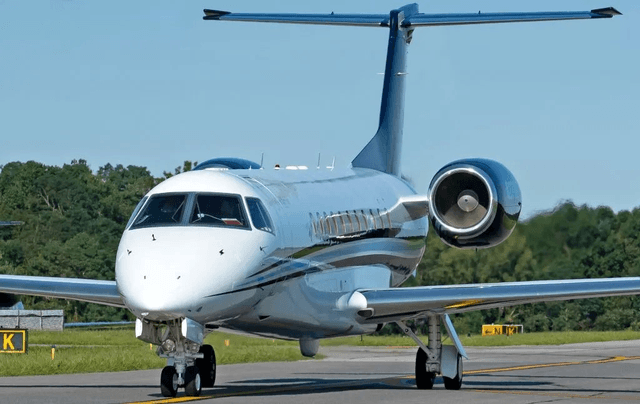
Cronos Airlines Introduces Embraer Legacy 600 for VIP Travel in Central Africa
Cronos Airlines, based in Malabo, Equatorial Guinea, has launched a new VIP service with the addition of an Embraer Legacy 600. This marks the airline's first venture into the premium travel segment, aimed at meeting the growing demand for luxury flights in Central Africa. Registered in Cameroon, the aircraft offers a spacious cabin with zones for work, dining, and relaxation, making it ideal for both business and leisure travelers. The Legacy 600’s long range and enhanced connectivity between Equatorial Guinea and Cameroon are expected to benefit travel agents, opening up new opportunities in the region. This move strengthens Cronos’ regional presence and positions the airline as a key player in Central Africa’s expanding aviation market.
May 2025
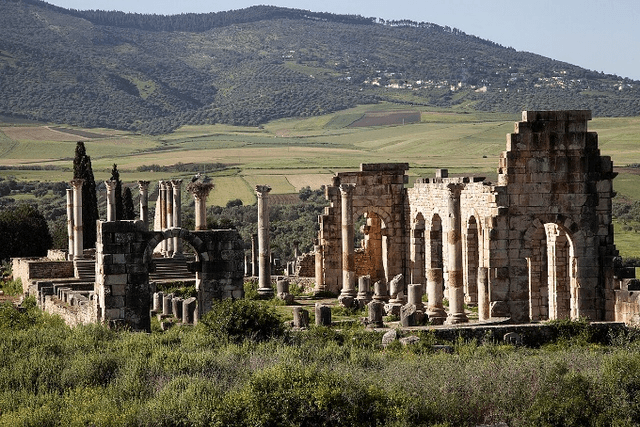
Discover Your Next Adventure - Morocco
Morocco offers tourists a diverse array of experiences, featuring bustling urban centres, expansive deserts, and towering mountains, as well as a wealth of cultural and natural attractions. Popular destinations include Marrakesh, Fez, Casablanca, the Atlas Mountain range, and the Sahara Desert. Activities include exploring ancient medinas and catching waves on the coast. Located in North Africa, Morocco is celebrated for its varied landscapes and deep-rooted cultural heritage. The nation extends from the Atlas Mountains to the Sahara Desert, with coastlines along both the Atlantic Ocean and Mediterranean Sea, offering visitors a mix of city exploration, outdoor adventures, and historical immersion. Morocco is renowned for its welcoming atmosphere, often exemplified by the offering of mint tea, and its lively bazaars, or souks, which are central to the visitor experience. Must-visit locations include: Marrakesh: Nicknamed the "Red City" due to its distinctive red sandstone architecture, Marrakesh serves as a cultural epicenter. The UNESCO-listed Djemaa El Fna square comes alive with street performers, musicians, and food vendors, particularly after dark. The medina, with its maze-like souks, is perfect for purchasing spices, leather goods, and carpets, with numerous attractions in the vicinity. Fez: One of Morocco's imperial cities, Fez boasts Fez El Bali, the world's most extensive functioning medieval medina, comprising over 9,000 winding alleys. Historical landmarks such as the Bou Inania Madrasa and the traditional tannery district provide insight into Morocco's rich past. Culinary tours, featuring local delicacies like snail soup and chebakia, are highly popular. Casablanca: As Morocco's economic hub and largest metropolis, Casablanca blends modernity with history. The Hassan II Mosque, one of the world's largest, can accommodate 25,000 worshippers inside and 80,000 outside, boasting impressive architectural features. The city's charm is enhanced by its Art Deco structures and Place Mohammed V. Atlas Mountains: Spanning over 1,000 km, the Atlas Mountains, particularly the High Atlas region, are a paradise for hikers. Jebel Toubkal, standing at 4,167 meters, is North Africa's tallest peak, with a popular two-day ascent. The Anti Atlas, including Jebel El Kest, presents additional trekking opportunities, while Tafraoute is known for its distinctive rock formations. Sahara Desert: The desert, especially areas like Erg Chigaga, offers an otherworldly experience with its vast sand dunes. The lack of light pollution makes it ideal for stargazing, and visitors can enjoy camel treks and stays in luxurious desert camps. The best time to visit is from October to early May, avoiding the scorching summer temperatures. Atlantic Coast: Coastal towns such as Essaouira, known as the "Wind City of Africa," and Dakhla are havens for surfing and kitesurfing enthusiasts. Essaouira's historic port and laid-back ambiance make it ideal for a seaside retreat, while Mirleft, 130 km south of Agadir, offers additional coastal allure. Morocco provides a variety of experiences beyond tourism: Steam Bath Ritual: Neighborhood bathhouses offer traditional steam baths, utilizing savon beldi, kessa, and ghassoul, for relaxation and cultural immersion. Culinary Explorations: In Fez, explore local flavors at Café Clock or learn bread-making at The Ruined Garden, savoring specialties like sheep's head and chebakia. Rail Journey: The Al Boraq high-speed train, utilizing at least 25% renewable energy, links Tangier and Casablanca in just over two hours, reaching speeds of 320 km/h and stopping at Rabat and Kenitra. Entry Requirements: Many nationalities are exempt from visa requirements. African tourists from countries such as Senegal and Algeria can enter without visas for brief stays, while others may need to obtain visas. Getting Around: Public transport options include buses, trains, and taxis, with car rentals available. However, driving can be challenging, particularly in rural regions. Climate: Coastal regions enjoy a Mediterranean climate, while inland areas are warmer and less humid. The ideal times to visit are spring (March to May) and fall (September to November). Money Matters: The Moroccan dirham (MAD) is the official currency. ATMs are accessible in major urban centers, and tourist areas generally accept credit cards.
May 20, 2025
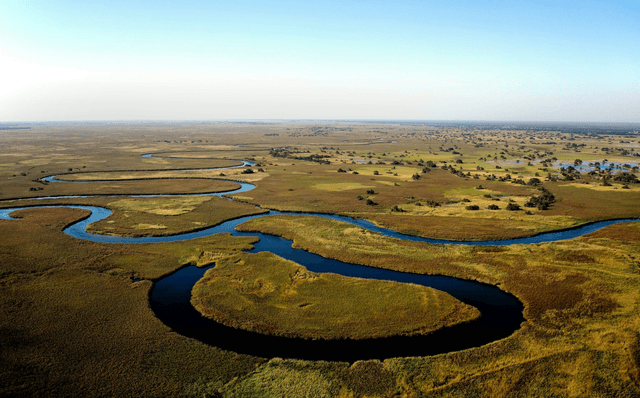
A First-Timer’s Guide to the Okavango Delta, Botswana
The Okavango Delta, located in the heart of Botswana, is a vibrant, ever-changing ecosystem nestled at the edge of the Kalahari Desert. Fed by rains from Angola’s highlands, its waters spread across the flat terrain from March to May, creating a dynamic landscape where land and water constantly shift. For first-time visitors, the Okavango offers two main safari experiences. The luxurious fly-in safari provides exclusive, guided experiences, often in remote camps only accessible by plane. For a more adventurous and budget-friendly option, the self-drive safari allows you to explore at your own pace, offering the freedom to discover Botswana’s wild beauty on your terms. The best time to visit is between May and September, when the water levels are at their peak, skies are clear, and temperatures are mild. However, this period coincides with the high season, meaning lodges can fill up quickly, and prices are higher. For a quieter experience with lower prices, consider visiting in the shoulder months of May and June. While the rainy season (November to April) brings fewer crowds, it also brings unpredictable weather and lower water levels, limiting some activities like mokoro (dugout canoe) rides. However, the lush landscape and influx of migratory birds during these months offer unique photo opportunities. Getting to the Delta is easy via flights into Maun, Botswana’s gateway city, with small planes connecting travelers to airstrips across the Delta. Alternatively, you can drive from Maun to Moremi Game Reserve or other safari areas, making for a more hands-on, adventurous experience. Whatever your choice, the Okavango Delta promises an unforgettable African safari.
May 2025

Boali Falls: Stunning Waterfalls in the Central African Republic
Hidden in the heart of the Central African Republic, the Boali Waterfalls are a breathtaking natural wonder that should be on every traveler’s bucket list. Located 95 kilometers northwest of Bangui, the capital, these falls are accessible by a scenic two-hour drive through the countryside, offering a glimpse into local life along the way. For those arriving by air, fly into Bangui M’Poko International Airport and take a taxi or hire a car to reach the falls. The best time to visit is during the rainy season (April to October) when the waterfalls are at their most powerful, creating a mesmerizing cascade of water and mist. For a quieter experience, visit during the dry season (November to March) when the flow is gentler. Once there, you can hike along well-marked trails that lead to the falls, where the mist cools your face and the roar of the water fills the air. If you’re looking to cool off, take a swim in the clear pools at the base. The area is also home to diverse wildlife, including monkeys, birds, and occasionally antelope, adding to the magic of the setting. Local taxis can take you to the falls from Boali, or you can hire a guide to enrich your experience. Whether you’re exploring the trails, swimming, or simply enjoying the beauty of the landscape, Boali Falls offers an unforgettable escape into nature.
May 2025
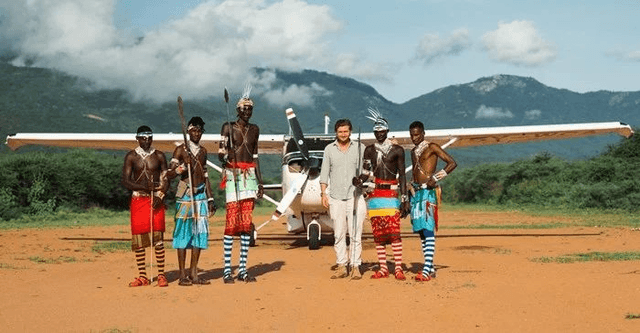
Kenya Tourism Board Launches Adventure Campaign to Attract Global Travellers
The Kenya Tourism Board (KTB) has launched A Journey Through the Wild Heart of East Africa, a multimedia campaign showcasing Kenya as a premier adventure tourism destination. Produced in partnership with BBC StoryWorks Commercial Productions, the campaign features travel photographer Jack Swynnerton exploring the country’s diverse landscapes in three chapters—Land, Water, and Air. Swynnerton’s journey begins in the Maasai Mara, where he encounters lions and connects with the Samburu community. From there, he experiences a hot air balloon safari at dawn, visits a remote elephant sanctuary by air, and treks the snow-capped peaks of Mount Kenya. The adventure concludes on the Swahili coast in Watamu, with paddleboarding through mangroves, kitesurfing, and traditional dhow sailing. KTB CEO June Chepkemei said the campaign marks a major step in promoting Kenya’s adventure offerings beyond traditional safaris. “We are positioning Kenya as a top destination for thrill-seekers and nature lovers,” she noted. Jihane Rassasse of BBC Studios praised the campaign’s vivid storytelling, calling it a thrilling lens into Kenya’s untapped tourism potential. The campaign aims to draw global visitors seeking immersive and unforgettable travel experiences.
May 23, 2025
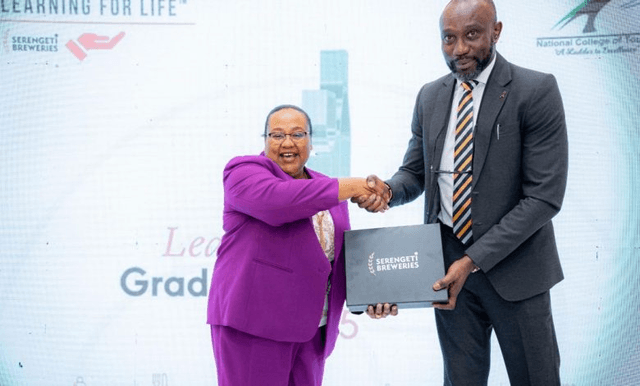
New Training Programme Equips Tanzanian Youth for Tourism Careers
Serengeti Breweries Limited (SBL) and the National College of Tourism (NCT) have launched the Learning for Life programme, a new skills development initiative aimed at bridging the gap between education and employment in Tanzania’s growing tourism and hospitality sector. The first cohort of 109 young participants—half of them women—recently graduated from the programme at NCT’s Dar es Salaam campus. The course offered a blend of foundational hospitality training, soft skills such as communication and leadership, and specialised instruction from the Diageo Bar Academy. Tanzania’s Minister for Natural Resources and Tourism, Dr. Pindi Chana, praised the initiative, calling it a significant step toward national development. With tourism contributing nearly US$4 billion in revenue and attracting over 5.3 million visitors in 2024, the programme is seen as essential in preparing a skilled workforce to support the sector’s continued growth. The Learning for Life programme is expected to expand across the country, offering more young Tanzanians the opportunity to gain industry-relevant skills and improve their employment prospects.
May 2025
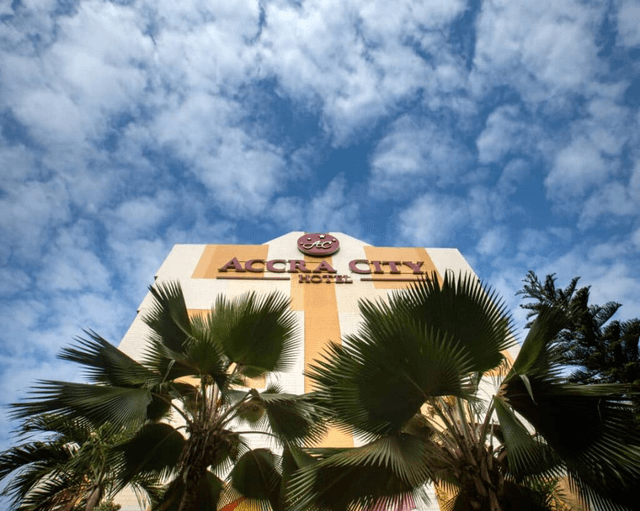
Accra City Hotel Unveils Landmark Events Centre to Elevate Ghana’s Hospitality Industry
Accra City Hotel is set to redefine Ghana’s events and hospitality landscape with the launch of its state-of-the-art Events Centre in July 2025. The centre features 10 versatile halls with a combined capacity of 2,000 guests, positioning it as a game-changer for Ghana’s Meetings, Incentives, Conferences, and Exhibitions (MICE) industry. Opening at a time when Accra is becoming a hotspot for global summits, corporate events, and luxury weddings, the new centre offers world-class infrastructure to meet rising demand. Beyond aesthetics and scale, the facility promises wide-reaching economic benefits—boosting tourism, increasing hotel occupancy, and creating hundreds of new jobs across sectors. Visitors will enjoy seamless logistics with a multi-story car park and a new African restaurant that blends gourmet flair with Ghanaian culinary heritage. Designed with sustainability in mind, the centre integrates eco-friendly practices and preserved green spaces, setting a benchmark for responsible development in the region. Accra City Hotel’s bold expansion reflects a broader vision: to turn Accra into a premier destination for global events. As the city prepares to welcome a new wave of international visitors, this centre stands as a symbol of growth, ambition, and world-class Ghanaian hospitality.
May 2025
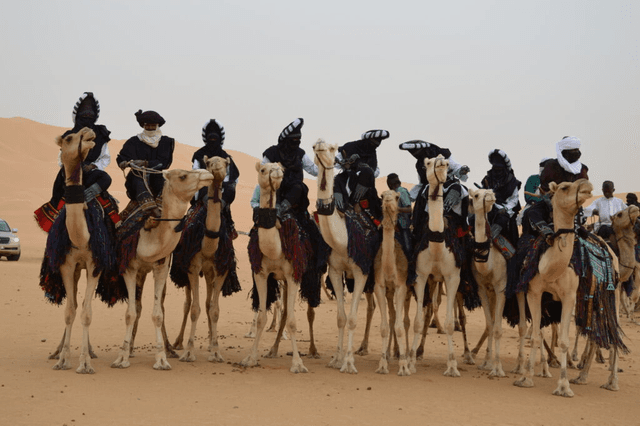
Discovering the Thrills of Niger’s Tourism
Niger, a landlocked West African country, boasts immense untapped tourism potential. In 2023, the nation aims to boost its visibility and attract global travelers with its rich cultural heritage, sprawling wildlife, and historical sites. From the Blue Mountains of Aïr to the dinosaur cemeteries and the West African giraffe sanctuary, Niger offers diverse experiences for adventure seekers and cultural enthusiasts. Director General of Niger's Tourism Promotion Agency highlighted the country’s strategic efforts to revitalize its tourism sector. Niger is targeting domestic and regional tourism markets, shifting focus from Western clients to the growing middle class within Africa. This shift aligns with the agency’s plan to improve service quality by providing training for local tourism and hotel staff. Key tourist attractions include the vast deserts of Ténéré, the historic city of Agadez, and the cultural treasures in the central and eastern regions, such as ancient architecture and vibrant arts and crafts. To increase tourism, Niger is enhancing digital marketing campaigns and organizing promotional events like eductours and festivals. With the country's increasing business opportunities and secure regions like Agadez and Zinder, 2023 is expected to be a pivotal year for Niger's tourism, particularly in business tourism and local cultural events. The campaign “Nigeriens Rediscover Niger” aims to ignite domestic travel and foster a deeper connection with the country's unique offerings.
May 27, 2025
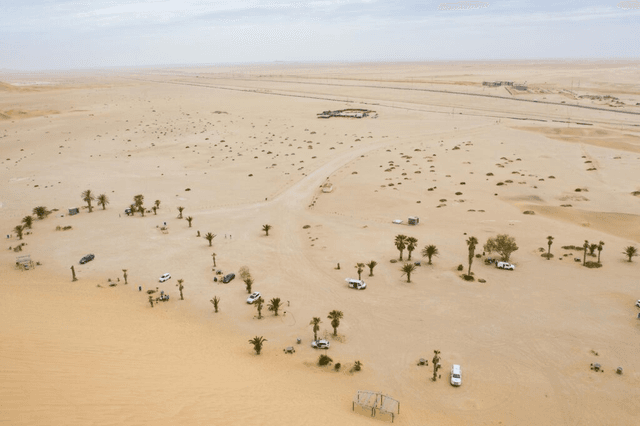
Namibia: The Alluring Coastline Adventure
Namibia, a hidden gem in South-West Africa, is a must-visit for adventurous travelers. Known for its vast deserts and unique landscapes, the country offers a stunning coastline stretching 1,572 km, filled with natural beauty and exciting activities. The coastal cities, from the southern border with South Africa to the north near Angola, are the heart of Namibia’s charm. The Namib Desert, the oldest desert in the world, meets the Atlantic Ocean at Sandwich Harbour, a rare UNESCO World Heritage site. Here, visitors can experience the magical fusion of towering sand dunes and ocean waves. Swakopmund, a coastal city steeped in history and charm, is one of the main attractions. With its sandy beaches and colonial-era landmarks, including the Swakopmund Lighthouse and the Swakopmund Museum, the city offers both cultural immersion and natural wonders. The city's rich German heritage, showcased by Madame Sepe, a custodian of the Herero heritage, is another highlight. Beyond Swakopmund, Namibia’s coastline boasts more treasures, including Luderitz, Walvis Bay, and the serene holiday villages of Wlotzkas Baken and Henties Bay. Visitors can enjoy activities like desert safaris, fishing, and water-based adventures. A desert safari is a must, where tourists embark on thrilling 4x4 rides through the dunes, culminating in a nighttime party under the stars. As American tourist Ludwig Handers put it, “The coast of Namibia pairs two nature bodies in an uncommon union.” Namibia’s coastline promises an unforgettable experience, blending adventure, history, and natural beauty.
May 28, 2025
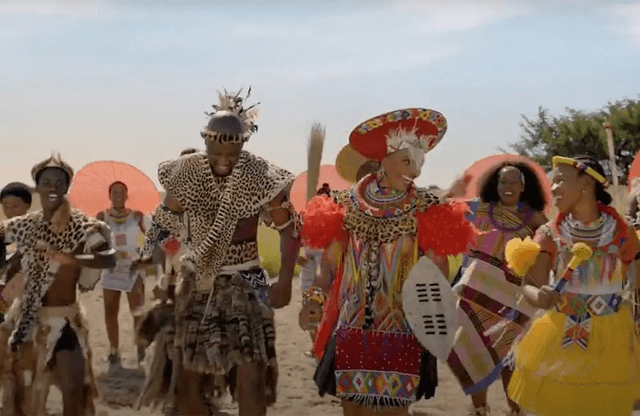
South African Tourism Launches Bold New Global Campaign
South African Tourism has officially launched its new global brand campaign, ‘South Africa Awaits — Come Find Your Joy!’, a vibrant celebration of the country’s dynamic culture, extraordinary landscapes, and rich heritage. The campaign invites travelers to rediscover the joy and wonder that travel can offer, encouraging them to embrace the thrill of exploration. “Our new campaign is an invitation to reignite that child-like curiosity and experience the magic of South Africa,” says Thembisle Sehloho, Chief Marketing Officer of South African Tourism. The centerpiece of the campaign is a powerful TV advertisement created in collaboration with the top creative agency Avatar. Directed by Phil Ireland, the ad captures South Africa through the eyes of a child, highlighting the raw joy, wonder, and excitement the country offers. It features iconic scenes from the bustling streets of Johannesburg to the tranquil beauty of the Cape Winelands. The campaign also showcases the talent of local stars, such as musician Zakes Bantwini and chef Wandile Mabaso, alongside music by legendary Vusi Mahlasela. “It shows all sides of our country and reminds us of the warm welcome awaiting visitors,” Mahlasela says. Beyond attracting tourists, the campaign aims to drive economic growth and promote community upliftment, aligning with South Africa’s goal to welcome 15 million visitors annually by 2030. As the campaign rolls out globally, South Africa is poised to inspire a new wave of travelers seeking joy and discovery.
April, 2025


Bale Mountains National Park
Ethiopia's Bale Mountains National Park: A Hidden Ecological Gem
May 18, 2025

Seychelles Tourism Development
Seychelles – Brimming with Hidden Wonders
May 18, 2025

Addis Ababa’s transformation
Addis Ababa’s transformation—captivating foreigners & becoming hub for conference tourism
May 18, 2025
Latest East Africa News
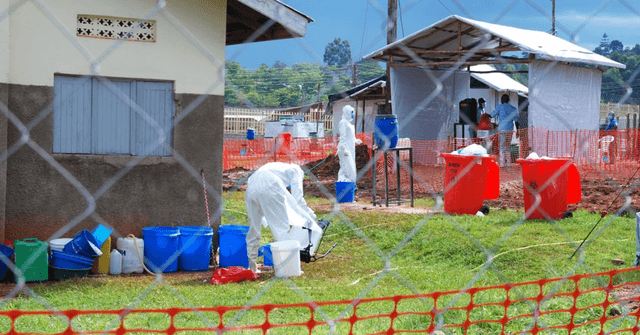
Uganda Declares End of Ebola Outbreak
Uganda declared an end to the Ebola Sudan Virus Disease (SVD) outbreak after completing a 42-day mandatory countdown without any new confirmed cases reported, less than three months after the virus was detected in the capital, Kampala. Ugandan Minister of Health Ruth Aceng made the announcement on Saturday at Busamagga Primary School Playground in the eastern city of Mbale, one of the areas affected by Ebola. The World Health Organization (WHO) guidelines require that for a country to be declared Ebola-free, it must spend 42 days (two 21-day incubation cycles of the virus) without any new cases reported. "Having completed two full incubation cycles — that is, 42 days — since the last confirmed case was discharged and having recorded no new cases amid sustained surveillance efforts, I now officially declare the current Sudan Ebola Virus Disease outbreak in Uganda to be over. Uganda is now free of active Ebola transmission," Aceng said. Uganda declared the SVD outbreak on Jan. 30 after a 32-year-old nurse died of the disease at the Mulago National Referral Hospital in Kampala. During the outbreak, 14 cases, 12 confirmed through laboratory tests and two probable, were reported in the East African country, according to Xinhua. Four deaths, two confirmed and two probable, occurred, according to health authorities. A total of 10 people recovered from the infection, while 534 people were identified as contacts of the confirmed and probable cases and were closely monitored. In a WHO statement, Chikwe Ihekweazu, acting WHO regional director for Africa, said Uganda's experience in managing outbreaks enabled a fast, coordinated and effective response to the virus. "This outbreak challenged us in new ways. It touched both urban and rural communities across the country and unfolded against the backdrop of significant global funding constraints," Ihekweazu said. The WHO donated 2,160 doses of the Ebola trial vaccine to Uganda to evaluate the efficacy of the vaccine in combating SVD, the eighth outbreak of the deadly disease in the country. "Uganda's leadership and resilience were crucial in containing this outbreak," said Kasonde Mwinga, WHO representative in Uganda. "From day one, the WHO worked hand-in-hand with the Ministry of Health, deploying expertise, providing essential supplies, and ensuring every suspected case was investigated. The people of Uganda have shown extraordinary resolve," she said. The WHO said that although the outbreak in Uganda is over, the Ministry of Health, with continued support from the global health body and partners, will continue investing in surveillance, survivor care and preparedness to ensure Uganda remains safe.
#IGAD Expresses Hope New PM Appointment Would Revive Inclusive Political Process in Sudan
The Executive Secretary of the Intergovernmental Authority on Development (IGAD), Workneh Gebeyehu has taken note of the appointment of Kamil al-Tayeb Idris as Prime Minister of Sudan by the Chairman of Sudan’s Transitional Sovereign Council. The Executive Secretary hopes that this appointment will mark a meaningful step toward reviving an inclusive political process, and urges all Sudanese stakeholders to engage in broad-based national consultations aimed at restoring constitutional governance, forging peace, and laying the foundation for a stable and democratic Sudan. He reiterates IGAD’s call for an immediate and unconditional ceasefire, emphasizing that silencing the guns is essential to ending civilian suffering, enabling humanitarian access, and creating an environment conducive to dialogue. IGAD remains steadfast in its commitment to the sovereignty, unity, and stability of Sudan, and stands ready to support, according to the statement.
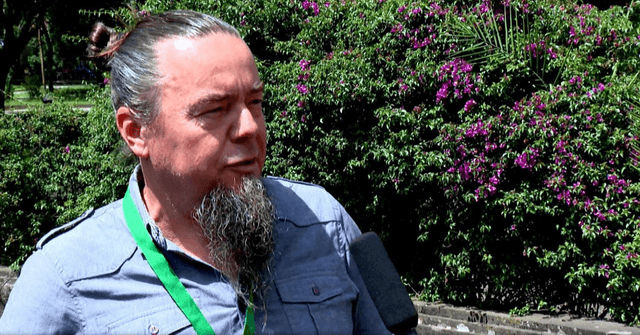
Visitors Express Admiration for #AddisAbaba’s Remarkable Transformation
Visitors have expressed enthusiastic admiration for the dramatic transformation of #Ethiopia’s capital, particularly praising its modern infrastructure and expanding green initiatives. The visitors who are currently in Addis Ababa for the Erasmus+ event admired the remarkable infrastructure developments in the city. The visitors, including those returning after several years, were struck by the city’s rapid development and revitalized appearance. Professor Voda Mihai of Romania, visiting Addis Ababa for the second time, shared his impressions: “I notice a lot of development here in Addis. It is very beautiful compared to January last year. I’m impressed, everything looks nicer, more elegant, and civilized,” he remarked, also noting the city’s enhanced greenery, cleanliness, and fresher air. Zoly Harilala from Madagascar, visiting Ethiopia for the first time in a decade, expressed her amazement at the transformation. “Ten years ago, I saw many construction works underway. Yesterday, when I arrived, the city was shining at night. There are now so many state-of-the-art buildings. The cleanliness is amazing. Congratulations to all Ethiopians on these great achievements,” she said. Professor Kiran Bucha of Mauritius, who previously served at the Mauritian Embassy in Ethiopia in 2014, echoed similar sentiments. “Addis Ababa feels like a new city. The infrastructural changes are remarkable. It’s a delight to be here, we feel at home,” he said. Assistant Professor Osumane Sangho from Mali also lauded the city’s progress, suggesting it could serve as a model for other Sub-Saharan nations. “Hotels are developed, tourism is developed. What I see here is exemplary. Our countries can learn a lot from Ethiopia’s progress,” he noted.
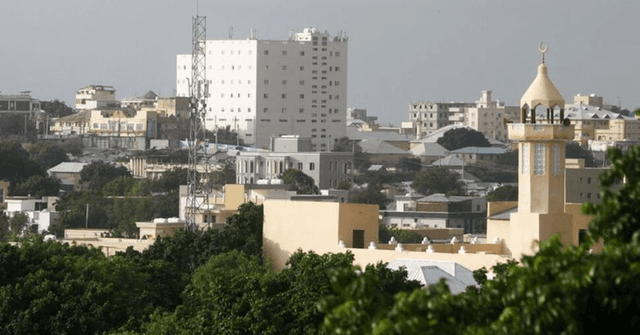
Mogadishu #SuicideBomber Kills at Least 10 at Army Recruitment Drive
At least 10 people were killed today after a suicide bomber targeted a queue of young recruits registering at the Damanyo military base in the Somali capital Mogadishu. Teenagers were lining up at the base's gate when the attacker detonated their explosives, witnesses told Reuters. Abdisalan Mohamed said he had seen “hundreds of teenagers at the gate as we passed by in a bus”. “Abruptly, a deafening blast occurred, and the area was covered by dense smoke. We could not see the details of casualties,” he added. A military captain who gave his name as Suleiman described the attack as he had seen it unfold. “I was on the other side of the road. A speeding tuk-tuk stopped, a man alighted, ran into the queue and then blew himself up. I saw 10 people dead, including recruits and passers-by. The death toll may rise,” he told Reuters. Dozens of abandoned shoes and the remains of the suicide bomber remained visible at the scene. Medical staff at the military hospital told Reuters they had received 30 wounded people from the blast and six of them had died immediately. Separately, an official told the Anadolu news agency that the attack had killed at least 11 people. The government has cordoned off the area. There was no immediate claim of responsibility, but the attack echoed a similar incident in 2023 when a suicide bomber killed 25 soldiers at the Jale Siyad base, located opposite the Damanyo facility. Sunday’s attack follows the assassination on Saturday of Colonel Abdirahmaan Hujaale, commander of Battalion 26, in the Hiiran region amid local reports of the al-Shabab armed group’s infiltration into government and security forces. Al-Shabab has been fighting the Somali government for nearly two decades and frequently targets government officials and military personnel, it was learned.
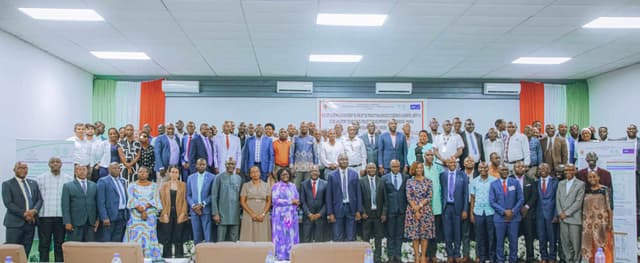
Burundi Launches Major Agriculture Modernization Project with AfDB
The Burundian government and the African Development Bank (AfDB) officially launched the Burundi component of the Burundi-Rwanda Integrated Development Project (BRIDEP) in Bujumbura. The initiative aims to modernize agriculture, improve cross-border trade, and foster regional integration. With a budget of $152 million, the six-year project (2024–2029) targets rural transformation and poverty reduction. It will operate in nine provinces with high agricultural potential, including Kirundo, Gitega, Muyinga, and Cibitoke. Key objectives include developing irrigable land, promoting agro-industrialization, and empowering youth and women entrepreneurs. At the technical launch workshop, stakeholders outlined the project’s components. Plans include cultivating 24,000 hectares using improved seeds, teaching climate-resilient farming techniques, and rehabilitating 6,000 hectares of marshland and 18,000 hectares of watershed. Additionally, 40 private breeding centers will improve pig and poultry strains. A digital platform linked to the geolocation of 120,000 households will centralize access to inputs, financing, and markets. Strategic infrastructure developments include Burundi's first one-stop border post at Akanyaru Haut and two pilot agricultural hubs in Cibitoke and Karuzi, created through public-private partnerships. Officials emphasized the project’s transformative potential. Diomède Ndayirukiye of Burundi’s Ministry of Agriculture highlighted its role in sustainable, inclusive development. AfDB Country Manager Pascal Yembiline called agriculture “the beating heart of the Burundian economy,” while AfDB’s Pascal Sanginga described BRIDEP as a model for high-impact, regional integration-focused projects. The initiative is co-financed by AfDB, the International Fund for Agricultural Development (IFAD), and the Burundian government.
May 27, 2025
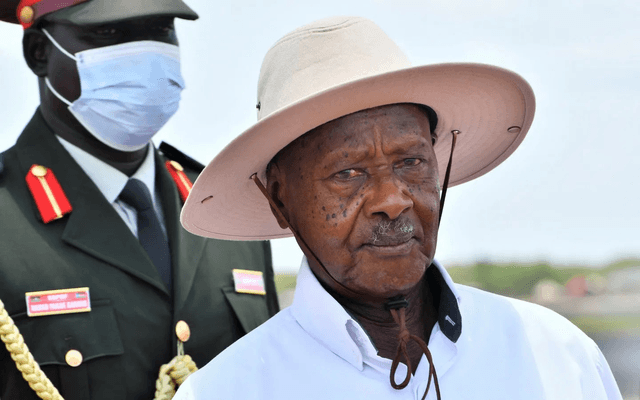
Uganda Suspends Defense Cooperation with Germany over Ambassador's Alleged Subversive Acts
Uganda’s military has severed all military cooperation with Germany after it accused Berlin’s ambassador to Kampala of involvement in “subversive activities,” the country’s military spokesperson said. “The Uganda People’s Defense Forces has with immediate effect suspended all ongoing defense and military cooperation activities with the Federal Republic of Germany,” UPDF Spokesperson Chris Magezi said in a statement posted on X platform on Sunday. The spokesperson said the decision is in response to credible intelligence reports that German Ambassador to Uganda, Mathias Schauer, is actively engaged in subversive activities in the country. "The suspension will remain in force until the full resolution of the matter of the ambassador's involvement with hostile pseudo-political-military forces operating in the country against the Ugandan government," Magezi added. Several opposition politicians and supporters have been arrested in Uganda over reports that they are involved in subversive activities. Veteran opposition politician Kizza Besigye is currently facing treason charges in court. Security agencies have warned opposition politicians against causing chaos as the country prepares for general elections scheduled for early next year. The opposition has protested the arrests, saying they are facing trumped-up charges.
May 26, 2025
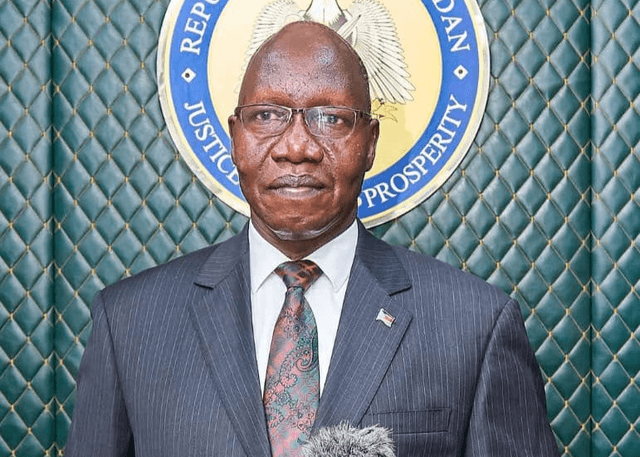
South Sudan, Uganda, and CAR Sign Landmark Road Agreement
South Sudan announced a major agreement with Uganda and the Central African Republic (CAR) to build a 1,800-kilometre road network linking Kampala, Uganda, to Bangui, CAR, through South Sudan. This transformative infrastructure project aims to boost regional trade, connectivity, and economic development. The project involves two main routes. The first will connect Kampala to Juba via either Karuma, Arua, Oraba, Kaya, Yei, and Juba or Karuma, Nimule, and Juba. The second route will extend from Juba to Bangui, passing through Mundri, Maridi, Yambio, Yubo, Ezo, Bambouti, Obo, and Sibuti. An additional segment will link Ezo, Source Yubu, and Bambouti. South Sudan’s Minister of Roads and Bridges, Simon Mijok Mijak, described the project as a “game-changer” for regional integration. The roadways are designed to become critical trade corridors, enabling easier transport of goods such as agricultural products and natural resources across the region. The initiative will also create significant employment opportunities, particularly for youth, with a focus on labour-intensive construction methods. The project includes complementary investments in infrastructure and industries such as fisheries. The road network supports broader goals under the East African Community and the African Union’s Agenda 2063, both of which emphasize infrastructure as key to economic growth. The three countries will jointly seek funding from governments, development partners, and private investors to bring the project to life.
May 26, 2025

Tanzania to Open East Africa’s Longest Bridge in June
Tanzania is set to inaugurate the Magufuli Bridge on June 19, 2025, marking a major milestone in East Africa’s infrastructure landscape. Spanning 3 kilometres across Lake Victoria, the bridge connects Kigongo and Busisi, eliminating the need for ferry travel and dramatically reducing travel times. The bridge is part of Trunk Road T4, a key trade route linking Tanzania with Uganda, Rwanda, Burundi, and the Democratic Republic of Congo. It is expected to significantly boost cross-border trade, logistics, and regional integration. Constructed without foreign loans or external contractors, the TSh700 billion ($270 million) project was fully funded by the Tanzanian government and built using local engineering teams under the Ministry of Works. This achievement highlights Tanzania’s growing capacity to execute large-scale infrastructure projects independently. The bridge includes 1.66 km of access roads and connects with newly built feeder roads in the Lake Zone, expanding connectivity to underserved communities. Sustainability features and green energy components are also part of the design. Prime Minister Kassim Majaliwa called the bridge “a statement of national pride and regional progress.” Named after the late President John Magufuli, the structure symbolizes Tanzania’s development ambitions and leadership in the region.
May 28, 2025
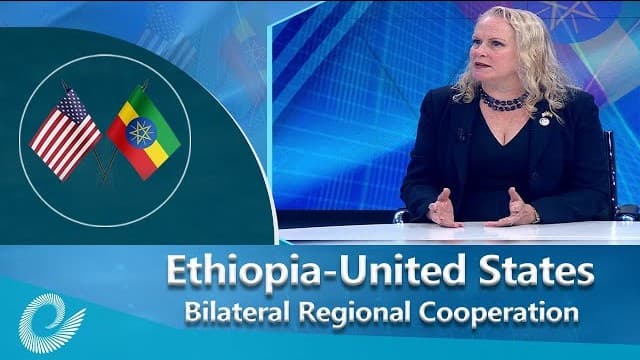
Ethiopia and US Relation
#US Relations with #ethiopia one of the most critical areas of focus in Africa
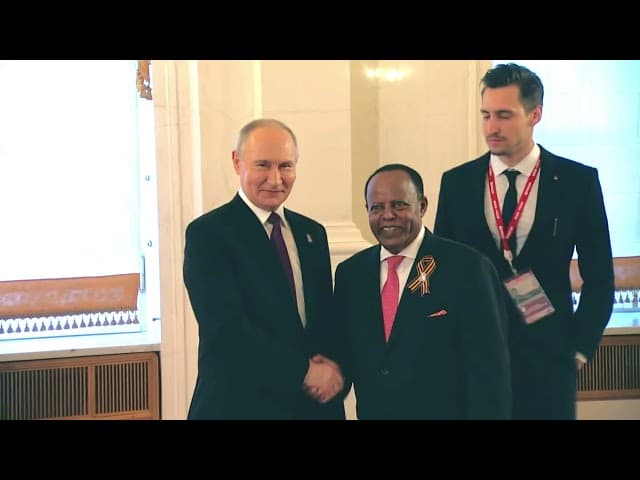
Dinner hosted by President Vladimir Putin
President Taye attended a reception and dinner hosted by President Vladimir Putin
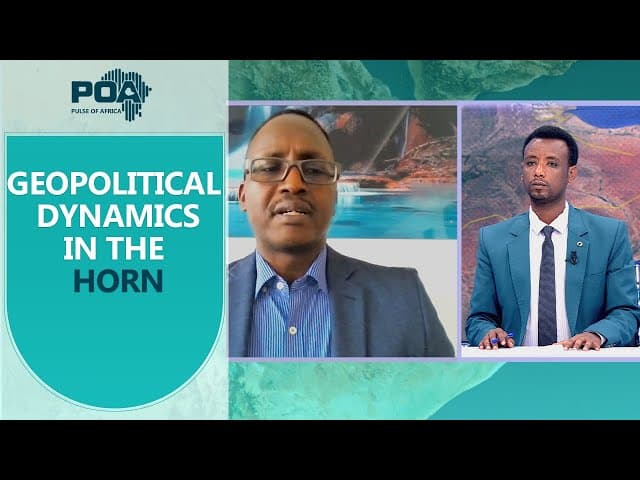
Horn
Geopolitical Dynamics in the Horn
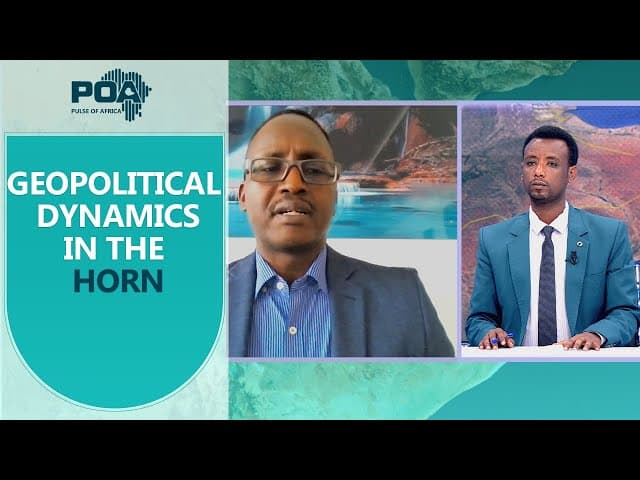
Geopolitcal Dynamics in the Horn
The Horn of Africa is a hotspot of geopolitical dynamics, where regional rivalries, global interests, and internal conflicts intersect. Strategic waterways, military alliances, and shifting power balances make this region critical to both African stability and international security.
Peace in Africa
#African journalists talk about peace
The imporance of peace in Africa
#African journalists talk about the importance of peace (Part two)

African Journalists Talk About Importance of Peace in Continent
African journalists come together to share perspectives on peace, conflict resolution, and the role of media in shaping a more united and stable continent. Their voices highlight the power of storytelling in promoting understanding and driving positive change across Africa.
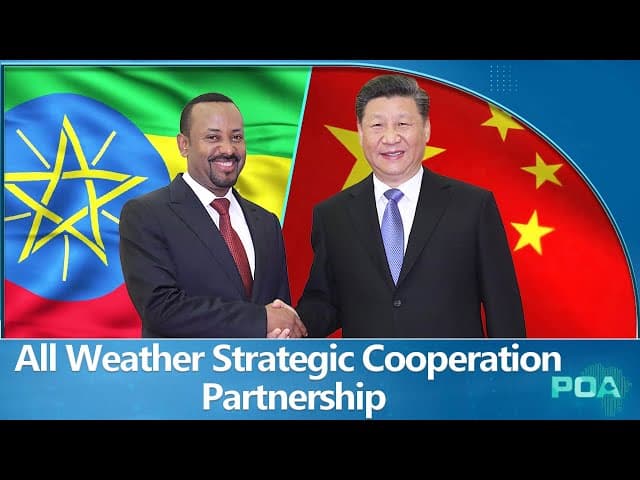
China-Ethiopia Relation
China-Ethiopia All-weather Strategic Partnership
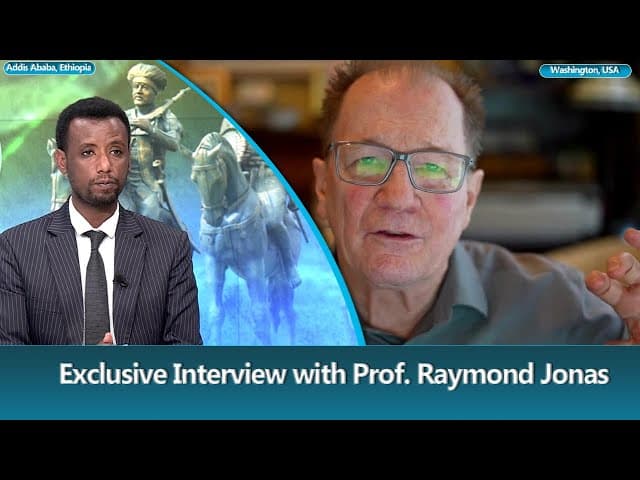
Brief Interview on Adwa
A Brief Interview with Renowned Historian Professor Raymond Jonas
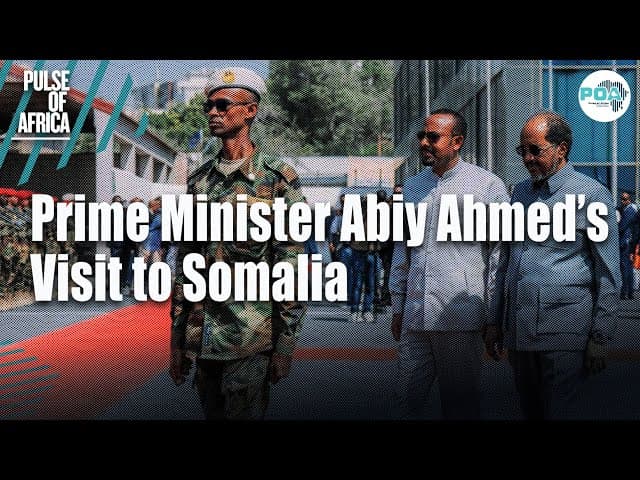
Ethiopia and Somalia relation
Prime Minister Abiy Ahmed’s Visit to Somalia
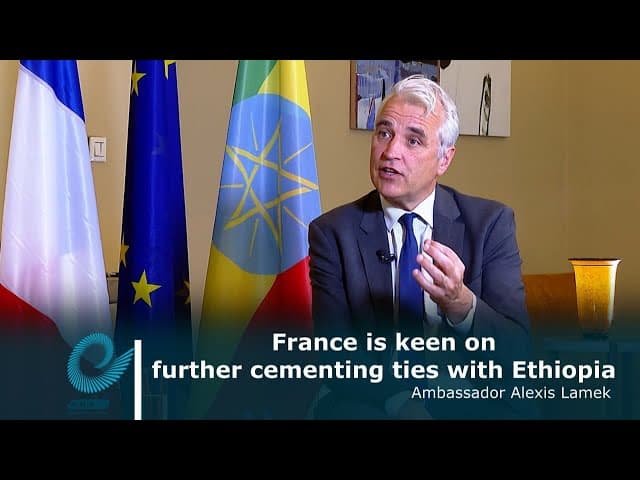
Ethiopia France Bilateral Relation
France is keen on further cementing ties with Ethiopia: Ambassador Alexis Lamek
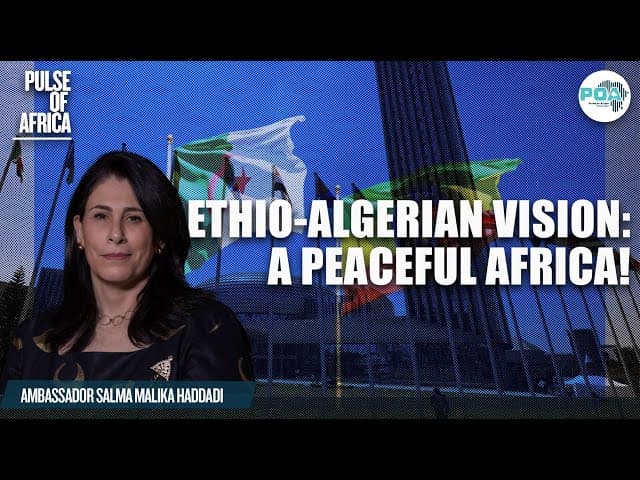
Ethiopia and Algeria Relation
Algerian ambassador discusses on Ethio-Algerian shared vision for a peaceful Africa
Live Now
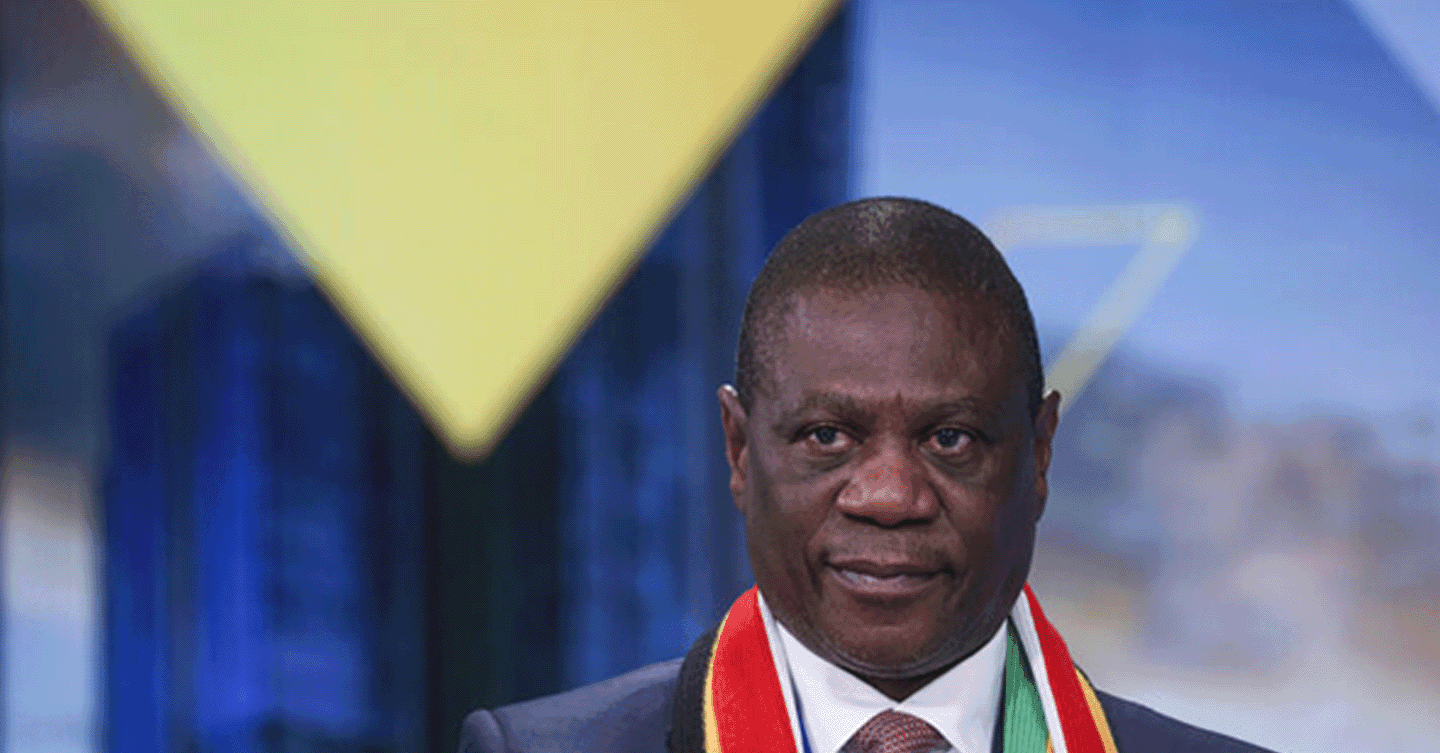
South Africa Calls for Deeper G20-AU Collaboration
South African Deputy President Paul Mashatile called for stronger collaboration between the Group of 20 (G20) and the African Union (AU), highlighting South Africa's efforts to align AU priorities with the G20's key focus areas.